La Ley de Mejora de la Agricultura de 2018 (Farm Bill de 2018) legalizó el cáñamo al excluir este cultivo y sus derivados de la definición de marihuana recogida en la Ley de Sustancias Controladas (CSA) y al establecer un marco normativo detallado para su cultivo. La Farm Bill de 2018 otorga al Departamento de Agricultura de los Estados Unidos (USDA) la competencia reguladora sobre el cultivo de cáñamo a nivel federal. A su vez, los estados tienen la opción de mantener la autoridad reguladora principal sobre el cultivo que se realiza dentro de sus fronteras mediantela presentación de un planal USDA.
Esta interacción entre el ámbito federal y el estatal ha dado lugar a numerosos cambios legislativos y normativos a nivel estatal. De hecho, la mayoría de los estados han presentado (y aprobado) proyectos de ley que autorizarían la producción comercial de cáñamo dentro de sus fronteras. Un número menor, aunque creciente, de estados también regula la venta de productos derivados del cáñamo.
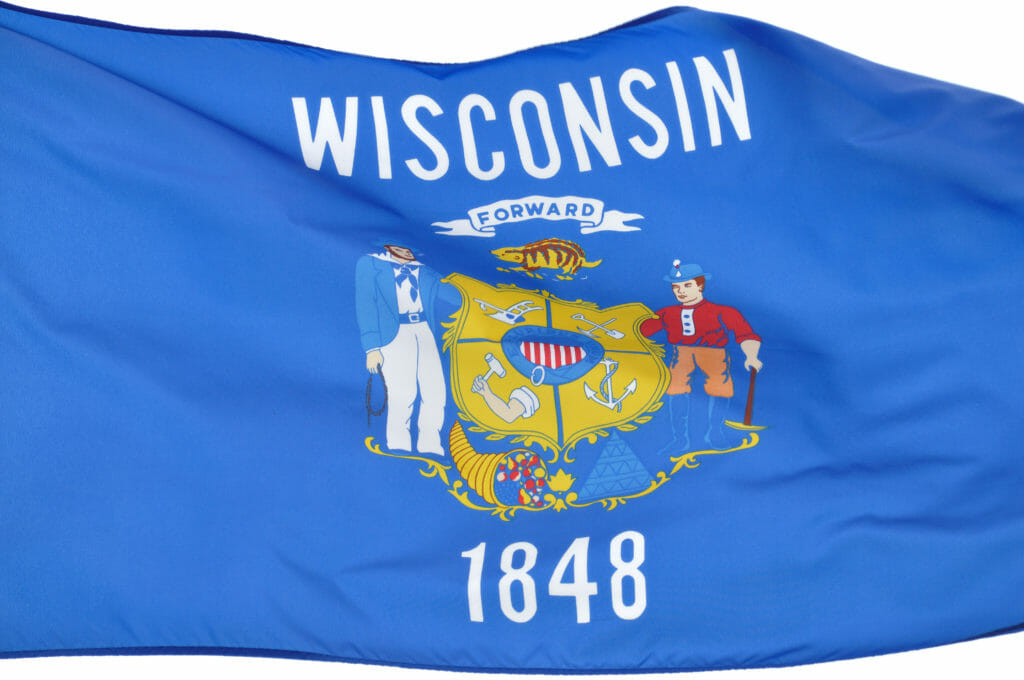
In light of the rapidly evolving legislative changes, we are also presenting a 50-state series analyzing how each jurisdiction treats hemp-derived cannabidiol (Hemp CBD). Today we turn to Wisconsin.
Wisconsin is one of the numerous states that opted to continue operating under the 2014 Farm Bill through the end the 2020 hemp growing season. The Wisconsin Department of Agriculture, Trade and Consumer Protection (DATCP) oversees the regulation of hemp in the state pursuant to Wis. Stat. § 94.55 and 2019 Wis. Act 68, which revised the state laws to align with the 2018 Farm Bill.
The DATCP license application process is fairly standard. A hemp license is required to cultivate and process hemp. The state imposes pre-harvest testing requirements on cultivators to ensure compliance with state and federal THC limits. However, unlike many other states that authorize the production of hemp, the DATCP mandates that applicants sign a research agreement, which allows growers and processors to do applied research, including the commercial sale of finished hemp products, provided certain testing and transportation requirements are met.
According to the DATCP’s FAQs, no DATCP-issued license is required to sell hemp products. However “licenses from other programs or departments may be required.” For example, retailers must secure a seller’s permit from the Department of Revenue.
The manufacture, sale and marketing of most Hemp CBD products seems allowed in Wisconsin.
According to a DATCP guidance on hemp products as human food ingredients, the manufacture and sale of Hemp CBD foods is lawful in the state so long as the following requirements are met:
- the hemp used in the food obtained a “fit for commerce” certificate from DATCP or another state’s hemp program;
- processing is done in Wisconsin by a licensed processor;
- packaging clearly indicates each hemp-derived ingredient; and
- the sale of the finished product occurs in Wisconsin.
These products must also meet certain labeling and packaging requirements and testing requirements, which the DATCP may clarify by adopting its own set of regulations.
Although Wisconsin law doesn’t define “hemp product”, another DATCP guidance entitled, “Hemp Flower and CBD Products Method of Sale and Labeling,” suggests the sale of Hemp CBD cosmetics and smokable hemp, such as soaps, balms, and pre-rolled joints, are allowed. Similarly to Hemp CBD foods, these products must also comply with specific labeling, packaging and testing requirements.
It is surprising that the DATCP has not yet memorialized its position on the sale and marketing of these products in its rules, but this will likely change over time, especially once the FDA formally forges a pathway for the regulation of these products.
We’ll continue to monitor all things hemp in Wisconsin and elsewhere. For previous coverage in this series, check out the links below:
- Alabama
- Alaska
- Arizona
- Arkansas
- California
- Colorado
- Connecticut
- Delaware
- Florida
- Georgia
- Guam
- Hawái
- Idaho
- Illinois
- Indiana
- Iowa
- Kansas
- Kentucky
- Luisiana
- Maine
- Maryland
- Massachusetts
- Míchigan
- Minnesota
- Misisipi
- Misuri
- Montana
- Nebraska
- Nevada
- Nuevo Hampshire
- Nueva Jersey
- Nuevo México
- Nueva York
- Carolina del Norte
- Dakota del Norte
- Ohio
- Oklahoma
- Oregón
- Pensilvania
- Puerto Rico
- Rhode Island
- Carolina del Sur
- Dakota del Sur
- Tennessee
- Texas
- Islas Vírgenes de los Estados Unidos
- Utah
- Vermont
- Virginia
- Washington
- West Virginia