La Ley de Mejora de la Agricultura de 2018 (Farm Bill de 2018) legalizó el cáñamo al excluir este cultivo y sus derivados de la definición de marihuana recogida en la Ley de Sustancias Controladas (CSA) y al establecer un marco normativo detallado para su cultivo. La Farm Bill de 2018 otorga al Departamento de Agricultura de los Estados Unidos (USDA) la competencia reguladora sobre el cultivo de cáñamo a nivel federal. A su vez, los estados tienen la opción de mantener la autoridad reguladora principal sobre el cultivo que se realiza dentro de sus fronteras mediantela presentación de un planal USDA.
Esta interacción entre el ámbito federal y el estatal ha dado lugar a numerosos cambios legislativos y normativos a nivel estatal. De hecho, la mayoría de los estados han presentado (y aprobado) proyectos de ley que autorizarían la producción comercial de cáñamo dentro de sus fronteras. Un número menor, aunque creciente, de estados también regula la venta de productos derivados del cáñamo.
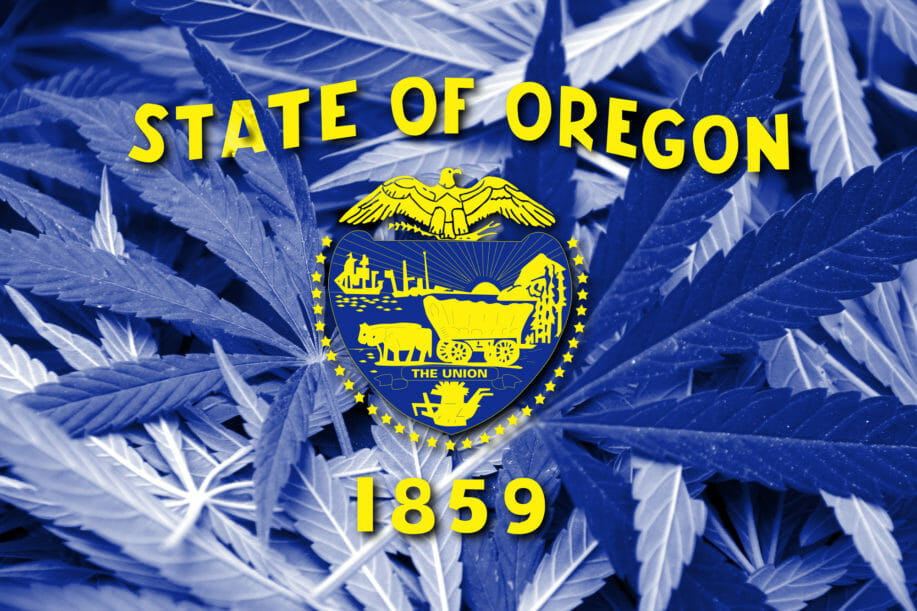
In light of the rapidly evolving legislative changes, we are also presenting a 50-state series analyzing how each jurisdiction treats hemp-derived cannabidiol (Hemp CBD). Today we turn to Oregon.
Oregon was one of the first states to allow the production of industrial hemp following the enactment of the 2014 Farm Bill. Pursuant to Chapter 571 of the Oregon Revised Statutes, the Oregon Department of Agriculture (“ODA”) oversees the cultivation and processing of industrial hemp, Hemp CBD products, and commodities. Any grower or processors (known as “handlers” in the state) must secure a license from the ODA and comply with comprehensive reporting, recordkeeping and total THC testing requirements.
Oregon is also one of the states that have interpreted the 2014 Farm Bill to allow for the commercial sale of industrial hemp and Hemp CBD products, including products intended for human consumption. “Consumption” means “to ingest, inhale, topically apply to the skin or hair.” This means that Oregon permits the sale and marketing of Hemp CBD foods, non-alcoholic beverages, dietary supplements, cosmetics and smokables so long as they contain no more than 0.3% total THC and are free of certain chemicals.
Another unique aspect of Oregon hemp law is that it provides an opportunity for ODA-licensed growers and handlers to sell and transfer their products to the state’s marijuana recreational market so long as they satisfy certain licensing, testing, labeling and recordkeeping requirements.
Although the hemp rules only regulate the production and sale of hemp and Hemp CBD products within the state, ODA-licensed growers and handlers are free to sell or transfer these products outside of the state so long as they contain no more than 0.3% total THC. Under Oregon law, the exportation (and importation) of hemp and Hemp CBD products containing more than 0.3% total THC is strictly prohibited. This means that out-of-state growers, processors, manufactures and distributors wishing to sell their Hemp CBD products in Oregon must also ensure compliance with Oregon’s total THC testing standards before their product cross state lines. Violating this law is a Class C felony.
When it comes to transportation, the ODA rules mandate that any industrial hemp or industrial hemp seeds transported within the state be accompanied by a copy of the hemp registration and a copy of the pre-harvest test results that corresponds to the harvest lot in transit.
Earlier this year, the ODA submitted a plan to the U.S. Department of Agriculture to oversee the production of hemp under the 2018 Farm Bill. However, the Oregon agency ultimately decided to continue operating its hemp program under the 2014 Farm Bill. Therefore, the requirements currently imposed on hemp stakeholders will remain in place until October 30, 2020.
Currently, the Oregon legislature is technically still in session: we previewed Senate Bill 1561 and the other hemp-related draft bills here. Unfortunately, the session is now hanging by a thread due to a controversial walk out, and there is a chance we don’t see a state hemp plan for commercial production and sale, a state hemp commission, or any of the other hemp-related proposals that seemed to have real legs before the session.
For more updates on Oregon’s Hemp CBD laws, stay tuned to the Canna Law Blog. And for previous coverage in this series, check out the links below:
- Alabama
- Alaska
- Arizona
- Arkansas
- California
- Colorado
- Connecticut
- Delaware
- Florida
- Georgia
- Hawái
- Idaho
- Illinois
- Indiana
- Iowa
- Kansas
- Kentucky
- Luisiana
- Maine
- Maryland
- Massachusetts
- Míchigan
- Minnesota
- Misisipi
- Misuri
- Montana
- Nebraska
- Nevada
- Nuevo Hampshire
- Nueva Jersey
- Nuevo México
- Nueva York
- Carolina del Norte
- Dakota del Norte
- Ohio
- Oklahoma