





《2018年农业改进法案》(即2018年农业法案)通过将大麻及其衍生物从《管制物质法案》中定义的大麻范畴中移除,并为大麻种植提供详细框架,从而实现了大麻合法化。该法案赋予美国农业部(USDA)对联邦层面大麻种植的监管权。 各州可选择向美国农业部提交计划,从而保留对其辖区内种植作物的主要监管权。
联邦与州层面的相互作用已促使各州出台多项立法和监管改革。事实上,多数州已提出(并通过)法案,授权在本州境内进行工业大麻的商业化生产。此外,虽数量较少但呈增长趋势的州也开始对工业大麻衍生产品的销售实施监管。
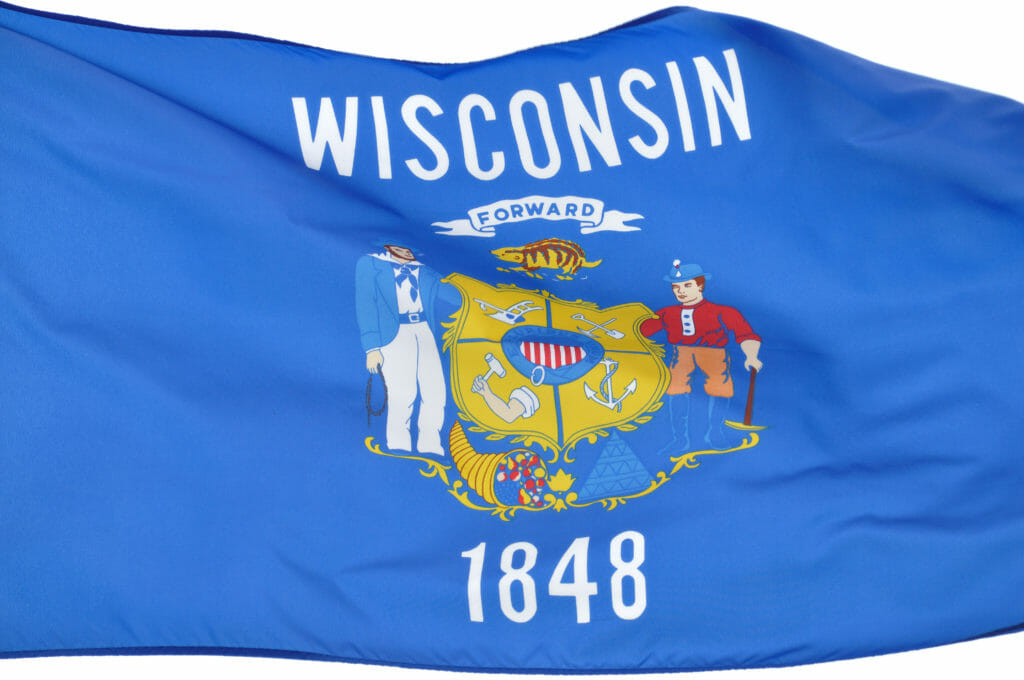
In light of the rapidly evolving legislative changes, we are also presenting a 50-state series analyzing how each jurisdiction treats hemp-derived cannabidiol (Hemp CBD). Today we turn to Wisconsin.
Wisconsin is one of the numerous states that opted to continue operating under the 2014 Farm Bill through the end the 2020 hemp growing season. The Wisconsin Department of Agriculture, Trade and Consumer Protection (DATCP) oversees the regulation of hemp in the state pursuant to Wis. Stat. § 94.55 and 2019 Wis. Act 68, which revised the state laws to align with the 2018 Farm Bill.
The DATCP license application process is fairly standard. A hemp license is required to cultivate and process hemp. The state imposes pre-harvest testing requirements on cultivators to ensure compliance with state and federal THC limits. However, unlike many other states that authorize the production of hemp, the DATCP mandates that applicants sign a research agreement, which allows growers and processors to do applied research, including the commercial sale of finished hemp products, provided certain testing and transportation requirements are met.
According to the DATCP’s FAQs, no DATCP-issued license is required to sell hemp products. However “licenses from other programs or departments may be required.” For example, retailers must secure a seller’s permit from the Department of Revenue.
The manufacture, sale and marketing of most Hemp CBD products seems allowed in Wisconsin.
According to a DATCP guidance on hemp products as human food ingredients, the manufacture and sale of Hemp CBD foods is lawful in the state so long as the following requirements are met:
- the hemp used in the food obtained a “fit for commerce” certificate from DATCP or another state’s hemp program;
- processing is done in Wisconsin by a licensed processor;
- packaging clearly indicates each hemp-derived ingredient; and
- the sale of the finished product occurs in Wisconsin.
These products must also meet certain labeling and packaging requirements and testing requirements, which the DATCP may clarify by adopting its own set of regulations.
Although Wisconsin law doesn’t define “hemp product”, another DATCP guidance entitled, “Hemp Flower and CBD Products Method of Sale and Labeling,” suggests the sale of Hemp CBD cosmetics and smokable hemp, such as soaps, balms, and pre-rolled joints, are allowed. Similarly to Hemp CBD foods, these products must also comply with specific labeling, packaging and testing requirements.
It is surprising that the DATCP has not yet memorialized its position on the sale and marketing of these products in its rules, but this will likely change over time, especially once the FDA formally forges a pathway for the regulation of these products.
We’ll continue to monitor all things hemp in Wisconsin and elsewhere. For previous coverage in this series, check out the links below: