《2018年农业改进法案》(即2018年农业法案)通过将大麻及其衍生物从《管制物质法案》中定义的大麻范畴中移除,并为大麻种植提供详细框架,从而实现了大麻合法化。该法案赋予美国农业部(USDA)对联邦层面大麻种植的监管权。 各州可选择向美国农业部提交计划,从而保留对其辖区内种植作物的主要监管权。
联邦与州层面的相互作用已促使各州出台多项立法和监管改革。事实上,多数州已提出(并通过)法案,授权在本州境内进行工业大麻的商业化生产。此外,虽数量较少但呈增长趋势的州也开始对工业大麻衍生产品的销售实施监管。
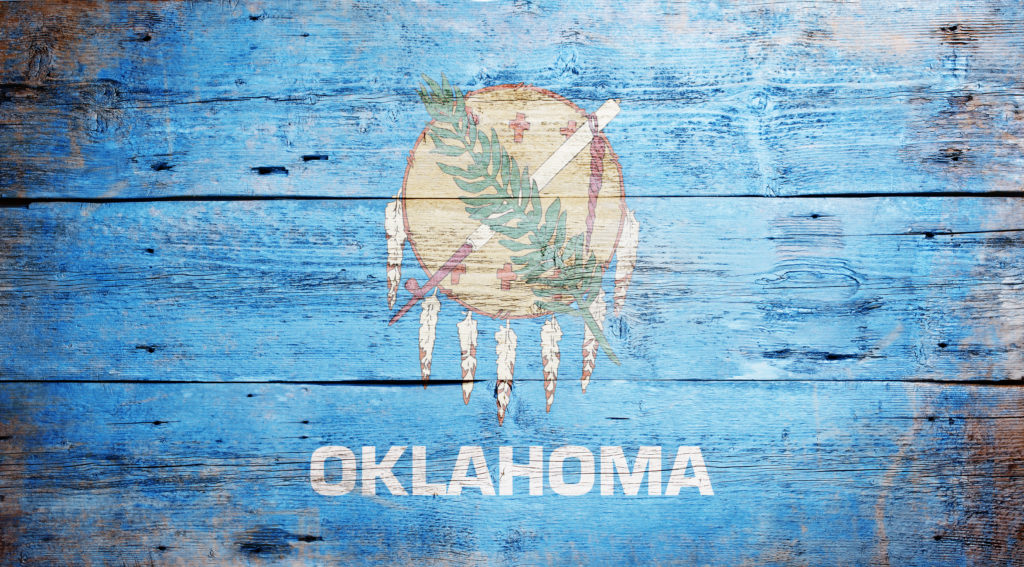
In light of the rapidly evolving legislative changes, we are also presenting a 50-state series analyzing how each jurisdiction treats hemp-derived cannabidiol (Hemp CBD). Today we turn to Oklahoma.
In April 2018, shortly before the passage of the 2018 Farm Bill, Oklahoma enacted the Oklahoma Agricultural Industrial Hemp Pilot Program (OAIHPP). The Oklahoma Department of Agriculture, Food, and Forestry (ODAFF) passed temporary rules in May of 2018.
At the time that the OAIHPP was established, the 2014 Farm Bill governed hemp and Oklahoma’s program reflects that. According to ODAFF’s website, “a farmer wishing to grow industrial hemp must establish a relationship with a University or college that belongs to the Oklahoma State System of Higher Education and has a plant science curriculum. Once the farmer has a relationship with a University or College they can apply to the Department to receive a license for each cultivation site.”
In April 2019, Oklahoma passed Senate Bill 868, which directs ODAFF, in consultation with the Governor and Attorney General to submit a hemp cultivation plan to the USDA to bring the state’s hemp program in compliance with the 2018 Farm Bill. According to the USDA website, Oklahoma is currently drafting a hemp cultivation plan.
When it comes to Hemp CBD there is yet another piece of recent legislation in the mix: Senate Bill 238 which passed in May 2019. Products containing Hemp CBD, other than pharmaceuticals approved by the FDA (i.e., Epidiolex), must include the following on the label:
- The country of origin of the cannabidiol; and
- Whether the cannabidiol is synthetic or natural.
SB 238 also states that, “retail sales of industrial hemp and hemp products may be conducted without a license so long as the products and the hemp used in the products were grown and cultivated legally in this state or another state or jurisdiction and meet the same or substantially the same requirements for processing hemp products or growing hemp.” This appears to indicate that Hemp CBD sales in Oklahoma are OK (apologies, I had to have at least one shameless pun).
SB 238 also states that the addition of hemp derivatives, including Hemp CBD, does not make “cosmetics, personal care products, and products intended for human or animal consumption” adulterated. A license is not required to manufacture Hemp CBD products. However, SB 538 does not “exempt any individual or entity from compliance with food safety and licensure laws, rules and regulations as set forth under the Oklahoma Public Health Code.” That clarification does not explicitly mention the Food, Drug and Cosmetic Act or FDA regulation meaning that Oklahoma has left the door open to Hemp CBD products that the FDA opposes, such as foods and dietary supplements.
Oklahoma is still working on its hemp cultivation plan. It may not have the most robust Hemp CBD regulations but SB 238 at least addresses Hemp CBD, which is more than many other states can say.
本系列往期报道请参阅以下链接: