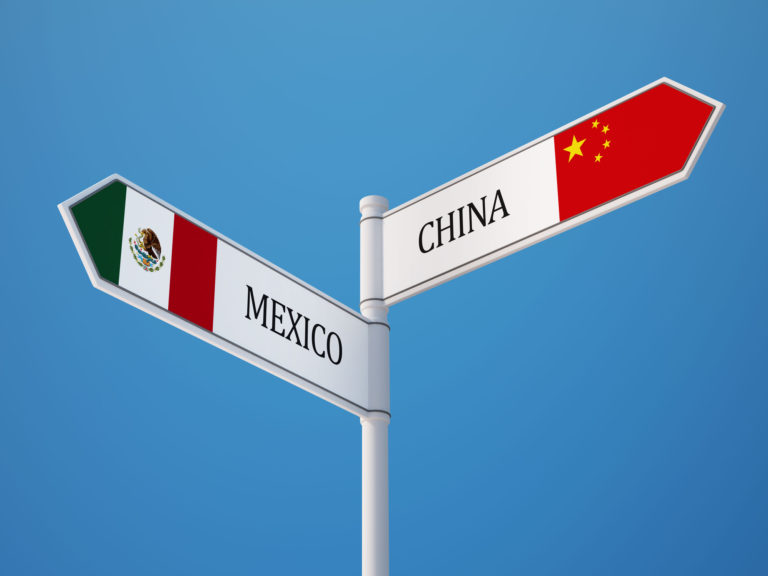
With all that has been happening, the international manufacturing lawyers at my law firm have been getting a steady stream of phone calls and emails from companies looking to leave China and many of those companies are curious about Mexico.
CEOs and senior managers have been struggling to make good decisions about supply chain and factory sites, and a lot of their research is pointing to Mexico as a likely candidate. The problem facing decision-makers is that the China-Mexico comparison is not apples to apples (DO NOT make avocado-lychee reference). Even though the same output is leaving the factory gate in each economy, your challenges in setting up and managing operations in China and Mexico could not be more different.
Citing the ongoing genocide, crimes against humanity, and other human rights abuses committed by the People’s Republic of China (China) against ethnic and religious minority groups in the western part of the country, Congress acted to strengthen CBP’s ability to enforce the forced labor prohibitions set forth in Section 307 of the Tariff Act of 1930 by enacting the Uyghur Forced Labor Protection Act (UFLPA) on 23 December 2021. To this end, the UFLPA applies a presumption that goods produced/manufactured (either wholly or in part) or mined in the Xinjiang Uyghur Autonomous Region (XUAR) or by entities designated on the UFLPA Entity List are made with forced labor and prohibited from entering the U.S.
Our international litigators have lately been getting more than the usual number of emails/phone calls from companies (mostly American and European) wanting to pursue litigation against their Chinese manufacturers for bad product. In this post we explain one relatively easy way to reduce your bad product risks.
Many (most?) manufacturers are in the middle of a perfect storm of challenges that make it very difficult for them to calculate how much to manufacture (or order), how long it may take for goods to arrive, and how much consumers are likely to buy.
This very long post aims to provide an overview of the challenges of manufacturing in China, as well as strategies for minimizing risks and maximizing opportunities. It outlines the administrative and regulatory requirements, process and production challenges, and specific cultural and market-specific risks.
The key to getting good products from your overseas manufacturers is, choosing a good manufacturer, using a good manufacturing agreement, having good IP protection, and employing a good quality control system.
Descubre las últimas noticias y análisis jurídicos sobre China, el cannabis, el derecho internacional, la inmigración, la resolución de conflictos y la Web3.