









China Manufacturing Contracts: Yet Another Reason to Have One
China Manufacturing Contracts. They can help when your Chinese manufacturer suddenly shuts down and keeps your money.
China Manufacturing Contracts. They can help when your Chinese manufacturer suddenly shuts down and keeps your money.
The U.S. Treasury Secretary Suggests You “Friend-Shore” Your Supply Chain Regular readers of this blog know that we have been strong advocates for “de-risking” supply chains, especially when they are overweighted with China manufacturing. We always note that we understand some companies cannot easily shift manufacturing and operations out of China, but those that can, should.
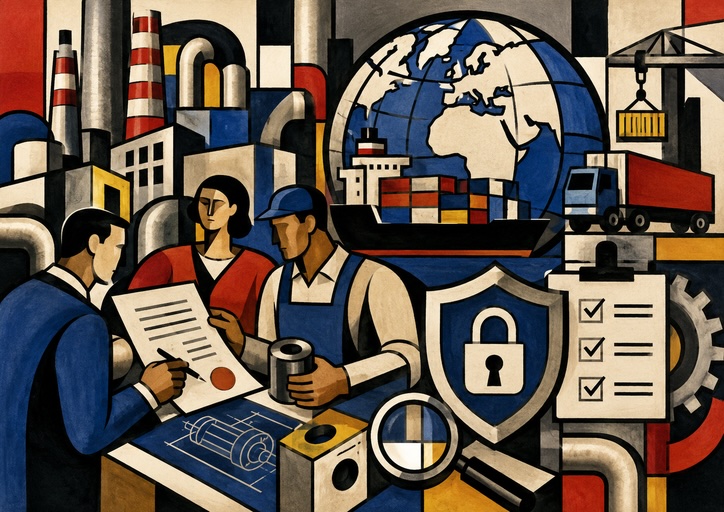
Five essential steps to reduce your international OEM manufacturing risks—from IP protection to written contracts. Practical guidance for small and mid-sized businesses looking to avoid costly mistakes abroad."

U.S. companies importing goods from Southeast Asia must beware of transshipment schemes by Chinese suppliers. Not only do these schemes mean dealing with China problems after a supposed China departure, they also give rise to serious liabilities if importing into the United States. Over the past few years, companies have had plenty of reasons to

"Where does an 800-pound gorilla sit?" "Anywhere it wants to." In many, many companies’ supply chains, China is the 800-pound gorilla. And many companies established manufacturing and sourcing operations in and with China back when the gorilla weighed only 250 pounds, or 400. Things are different now. Recapping China Risk Factors, Which Have Been A
This post explains how to protect your product from China when having your product made in China. One of the first things our international manufacturing lawyers do when working with a company having products made in China is to figure out the contracts and IP registrations that will ensure our client's intellectual property and other rights will be protected against its Chinese manufacturer and the rest of the world.
International Manufacturing Turmoil Increases International Manufacturing Risks With the increasing risks of manufacturing in China, our international manufacturing lawyers are being contacted by many companies seeking legal help after all has been lost. These are mostly companies that moved their manufacturing to "bad" Chinese manufacturers or to other countries in an effort to reduce their
As we continue to document in our customs and trade blog posts, import compliance and enforcement risk is higher than ever. And as recent experience suggests, this trend is not going to change anytime soon. By taking the preemptive supply chain verification and substantiation measures noted above, U.S. importers can manage and reduce these risk factors – and, in so doing, avoid becoming another CBP enforcement statistic.
This post looks at the two most common product development choices, with a focus on how they impact the transition to mass production. At this stage, the foreign company has typically approved a final prototype -- or it is close to that stage -- and it it looking at going into mass production with their Chinese manufacturer.
China product development is fraught with risks. This post explains the two main product development models employed by Chinese companies and explains the advantages and disadvantages of both. I am writing about product development here because in my experience and that of my company, the product development stage is both the easiest and mostly likely time for your Chinese counterparty to run off with your IP or even your product.