










Mexico for China Managers, Part 5: The Three Types of China-Mexico Supply Chain Transitions
Are you a good candidate for moving your manufacturing from China to Mexico?
Are you a good candidate for moving your manufacturing from China to Mexico?

Western managers with China experience know the challenges (and risks) that come with cross-border negotiations. Those considering a move to Mexico will have to navigate a new set of cultural adjustments.
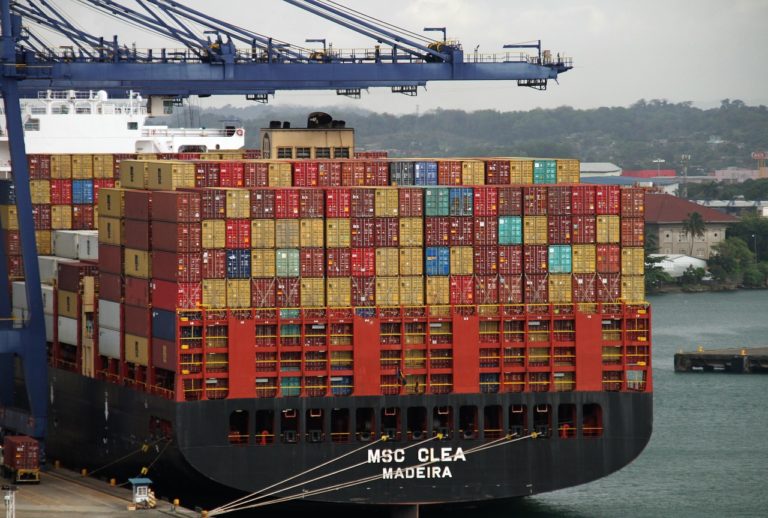
The shift away from the unipolar and free trade-oriented world of the 1990s and early 2000s to the peer competition-driven managed trade and industrial policies of today has resulted in an increasingly restrictive and protected U.S. import environment. The significantly stepped-up enforcement activity that characterizes this trend has, in turn, increased compliance risk for U.S. importers. This post will attempt to help U.S. importers mitigate some of that compliance risk through a set of up-to-date import practice tips.
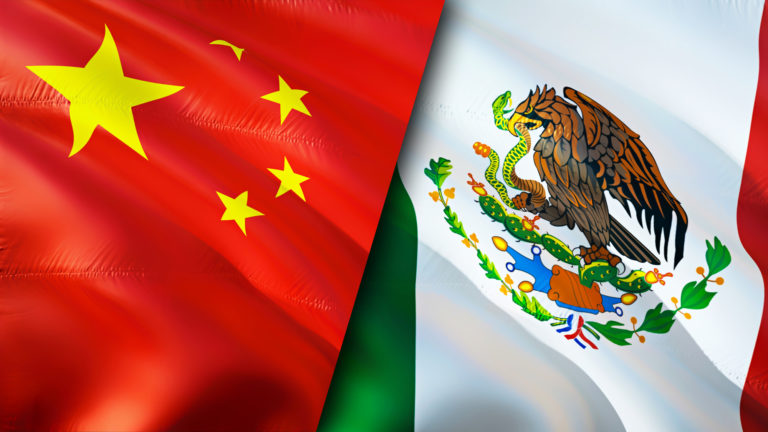
Increasing enmity between China and the West, stemming from China’s increasingly aggressive actions regarding Taiwan, China’s COVID-zero policy and a whole host of other issues facing foreign companies that do business in or with China, has caused foreign companies that do business in or with China to reassess. See Nancy Pelosi’s Visit to Taiwan is

With all that has been happening, the international manufacturing lawyers at my law firm have been getting a steady stream of phone calls and emails from companies looking to leave China and many of those companies are curious about Mexico.
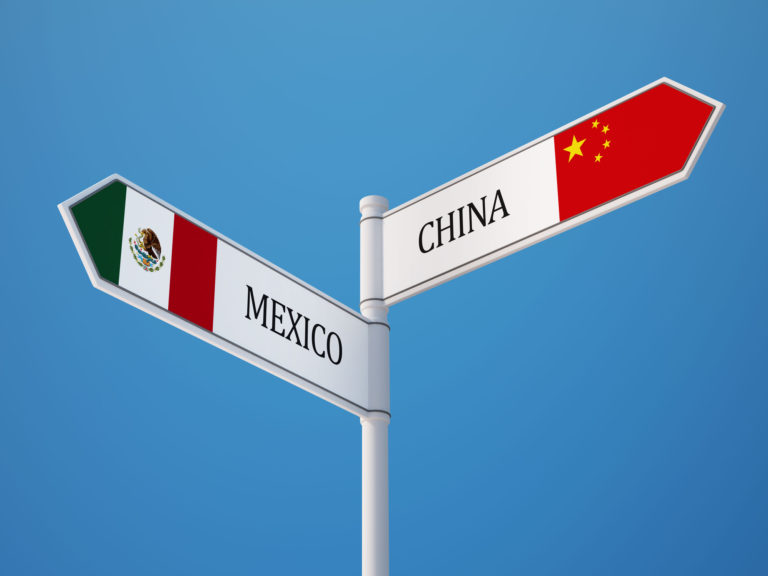
CEOs and senior managers have been struggling to make good decisions about supply chain and factory sites, and a lot of their research is pointing to Mexico as a likely candidate. The problem facing decision-makers is that the China-Mexico comparison is not apples to apples (DO NOT make avocado-lychee reference). Even though the same output is leaving the factory gate in each economy, your challenges in setting up and managing operations in China and Mexico could not be more different.

If you purchase products from China (or most anywhere else oversees), do NOT use FOB as a shipping term.

Who Should Sign Your China OEM Agreement? Not Some Hong Kong Company if You Can Help It
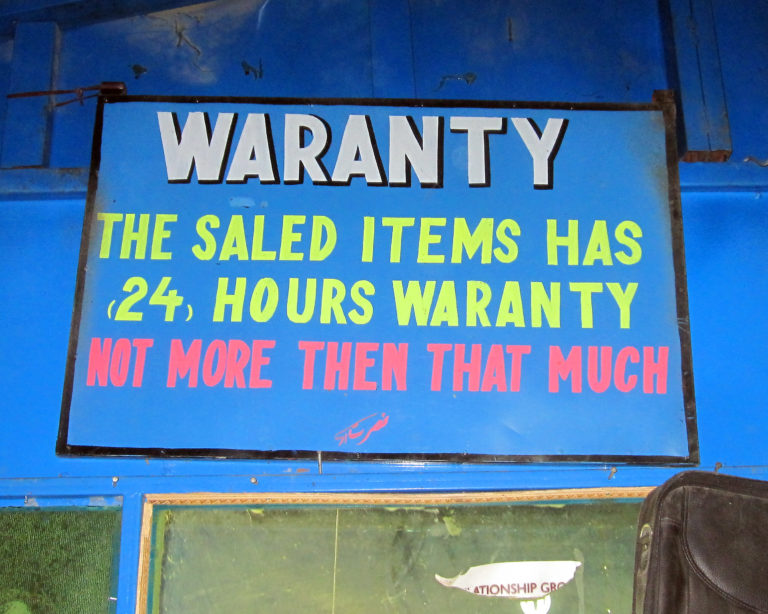
When it comes to China factory warranties, buyers have a lot of options, but few are any good at all.
Citing the ongoing genocide, crimes against humanity, and other human rights abuses committed by the People’s Republic of China (China) against ethnic and religious minority groups in the western part of the country, Congress acted to strengthen CBP’s ability to enforce the forced labor prohibitions set forth in Section 307 of the Tariff Act of 1930 by enacting the Uyghur Forced Labor Protection Act (UFLPA) on 23 December 2021. To this end, the UFLPA applies a presumption that goods produced/manufactured (either wholly or in part) or mined in the Xinjiang Uyghur Autonomous Region (XUAR) or by entities designated on the UFLPA Entity List are made with forced labor and prohibited from entering the U.S.