
International litigation

Conceptos básicos sobre litigios en EE. UU.: ¿qué ocurre si me demandan?

Earlier this year, I started a series on U.S. litigation basics for our international audience. The American judicial system is statute-based and complicated, so we’ve previously covered what your pre-litigation options are and where you should sue. But what if you’re on the receiving end of a lawsuit? Though the plaintiff (the person suing) must


El arbitraje internacional frente al litigio internacional

Conceptos básicos sobre litigios en EE. UU.: ¿cuáles son sus opciones?

United States Litigation Basics When issues come up, most of our international clients believe filing a lawsuit is the only answer. Unfortunately, the United States litigation process is often complicated and expensive – there will be an exchange of information and documents, the taking of depositions, and probably some motion practice along the way –

Logotipo de HB sobre fondo gris

Conceptos básicos sobre la quiebra: contratos ejecutorios y cláusulas ipso facto

En esta entrada, hablaré de los contratos pendientes de cumplimiento y las cláusulas ipso facto. Ambos son conceptos básicos importantes para los procedimientos de quiebra, especialmente los del Capítulo 11 (conocidos comúnmente como «reorganización», en contraposición a la «liquidación» del Capítulo 7). 1. Contratos pendientes de cumplimiento Aunque el nombre pueda parecer intimidante, un contrato pendiente de cumplimiento es simplemente un contrato que

El arbitraje internacional frente al litigio internacional

Arbitrajes: ¿merecen la pena los supuestos ahorros?

When I was starting my career as a lawyer in the early 2000s, alternative dispute resolution (ADR) became very popular. ADR includes mediation and arbitration. During that time in my career, I was working mostly on transactional matters and some of the senior lawyers told me it could be legal malpractice not to at least

Logotipo de HB sobre fondo gris

Recesiones, quiebras y acciones preferentes

Ongoing economic turmoil makes now the right time to discuss U.S. bankruptcies and preference actions. In the United States and much of the world, inflation is running out of control and there are asset bubbles everywhere you look – housing, real estate in general, used and new cars, and so on. Between the war in

litigios internacionales

El papel de los tribunales federales estadounidenses en el arbitraje

Arbitration is often the preferred, if not contractually required, forum for resolving business disputes. This is primarily because of arbitration’s perceived efficiencies in cost and time-to-resolution as compared to litigation in U.S. state or federal courts. Federal law has embraced arbitration through the Federal Arbitration Act (“FAA”), which, as interpreted by the U.S. Supreme Court,

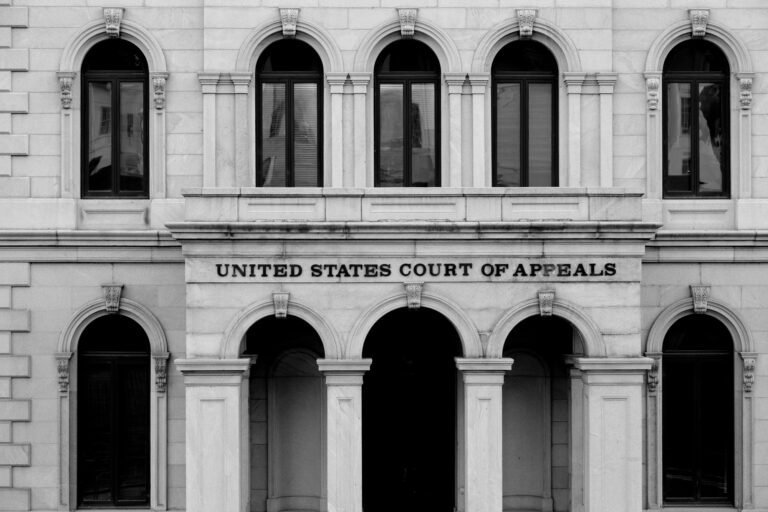
Federal court appeal courthouse

El Sexto Circuito sostiene que carece de jurisdicción para revisar la medida cautelar dictada por un tribunal estatal tras su traslado al tribunal federal.

This post concerns a recent Sixth Circuit decision at the intersection of removal and the interlocutory appeal doctrines as they apply to preliminary injunctions. The case is Schuler v. Adams, No. 21-1613 (Mar. 7, 2022). (Fair warning – this post is bit of procedural wonkiness – something I have a fondness for but others find

Resolución alternativa de conflictos (ADR)

Resolución alternativa de disputas: mediación, arbitraje y tasación

Over the years, “Alternative Dispute Resolution” (ADR) has become more and more prevelant in both contract drafting as well as litigation. Far from being an “alternative,” most disputes at some point will involve some degree of ADR, whether required by contract, by the courts, or driven by the costs of litigation. Despite the name “alternative,”

Los tribunales de China continental no ejecutan las sentencias dictadas en Estados Unidos. Por lo tanto, suele ser (aunque no siempre) una pérdida de tiempo interponer una demanda ante un tribunal estadounidense contra una empresa china que no posea activos ni en Estados Unidos ni en un país que ejecute las sentencias estadounidenses.

Disputas con empresas chinas

Disputes with Chinese companies are becoming increasingly common, yet they are not becoming any easier to resolve. Mainland Chinese courts do not enforce U.S. judgments. Therefore, it is usually (but not always) a waste of time to bring a lawsuit in a U.S. court against a Chinese company that does not have assets in either

Suscríbete a nuestro blog

Descubre las últimas noticias y análisis jurídicos sobre China, el cannabis, el derecho internacional, la inmigración, la resolución de conflictos y la Web3.