football players

China’s Latin American Ground Game and YOUR Business

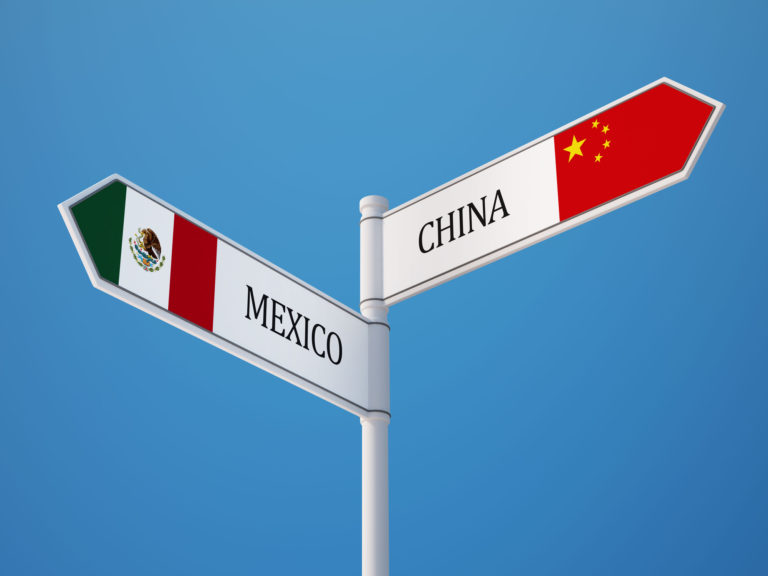
China is responding to its ongoing tension with the US and EU in some surprising ways – including setting up manufacturing and distribution hubs in Mexico and increasing its involvement in Latin America. What does this have to do with your business? More than you think.

shipping imports

U.S. Import Practice Tips to Mitigate Compliance Risk

The shift away from the unipolar and free trade-oriented world of the 1990s and early 2000s to the peer competition-driven managed trade and industrial policies of today has resulted in an increasingly restrictive and protected U.S. import environment. The significantly stepped-up enforcement activity that characterizes this trend has, in turn, increased compliance risk for U.S. importers. This post will attempt to help U.S. importers mitigate some of that compliance risk through a set of up-to-date import practice tips.

Moving your manufacturing from China to Mexico

The China Manager’s Guide to Mexican Operations: Comparing and Contrasting China and Mexico Operations

CEOs and senior managers have been struggling to make good decisions about supply chain and factory sites, and a lot of their research is pointing to Mexico as a likely candidate. The problem facing decision-makers is that the China-Mexico comparison is not apples to apples (DO NOT make avocado-lychee reference).  Even though the same output is leaving the factory gate in each economy, your challenges in setting up and managing operations in China and Mexico could not be more different.

The MV Cougar Ace carried over 4,700 Mazda cars that had to be scrapped when the vessel listed heavily south of the Aleutian Islands in 2006

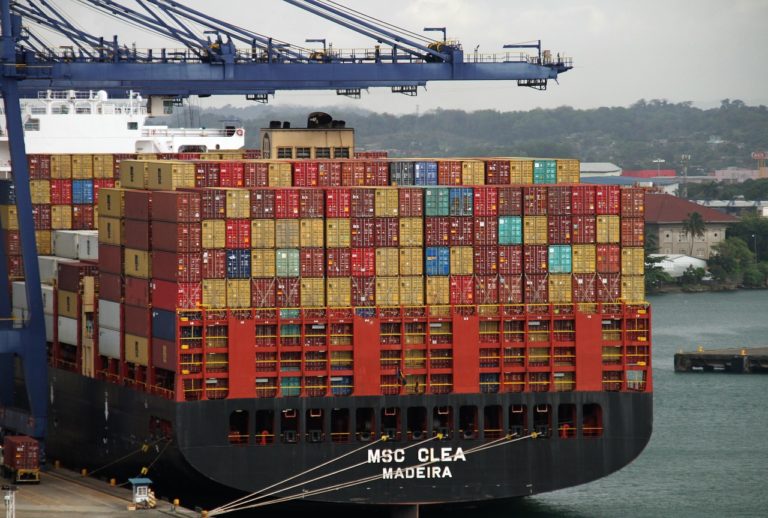
Beware FOB Shipping Terms

If you purchase products from China (or most anywhere else oversees), do NOT use FOB as a shipping term.

forced labor sanctions

Raising the Ante on China Trade: Complying With and Making Claims Under the UFLPA

Citing the ongoing genocide, crimes against humanity, and other human rights abuses committed by the People’s Republic of China (China) against ethnic and religious minority groups in the western part of the country, Congress acted to strengthen CBP’s ability to enforce the forced labor prohibitions set forth in Section 307 of the Tariff Act of 1930 by enacting the Uyghur Forced Labor Protection Act (UFLPA) on 23 December 2021. To this end, the UFLPA applies a presumption that goods produced/manufactured (either wholly or in part) or mined in the Xinjiang Uyghur Autonomous Region (XUAR) or by entities designated on the UFLPA Entity List are made with forced labor and prohibited from entering the U.S.

Selling Products Overseas

Selling Your Product Overseas: The Business Basics

A startup U.S. consumer product company with an ultra-hot new product line wrote one of my law firm's international lawyers asking what they should do to sell their product through a Chinese company that had expressed interest in being the U.S. company's "Chinese representative." After a few emails on various different legal subjects, our international lawyer wrote the following email (modified a bit) that provides such good and basic business advice that I wanted to share it here.

Payment terms for overseas sales

Payment Terms When Selling Overseas

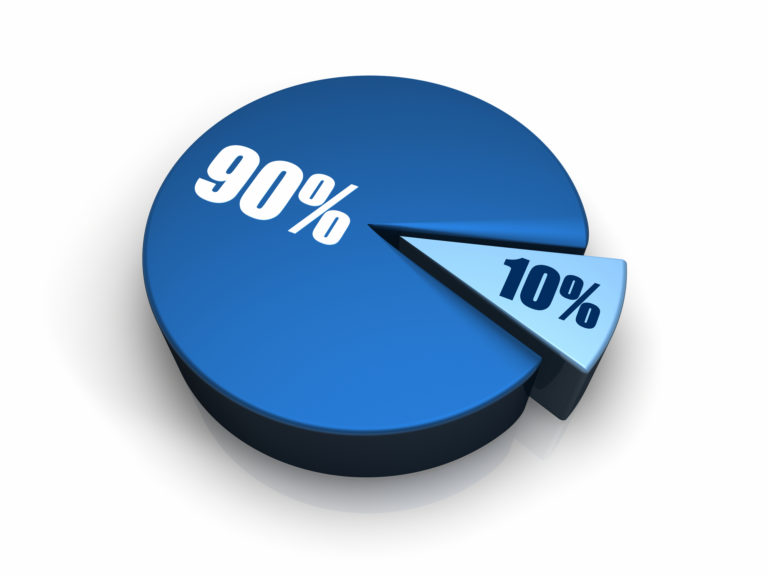
Whenever my law firm is retained to represent a company that is looking to provide goods or services to a new overseas buyer. China, one of the first things we want to know are the payment terms. If our client is going to get 100% payment before it provides thegoods or services, a written contract may not even be necessary. The old expression about posession being nine tenths of the law holds true, though I'd probably update it to say that it's 99 percent of the law when it comes to selling to many emerging market countries.

Subscribe To Our Blog

Explore the latest legal news and insight regarding China, cannabis, international law, immigration, dispute resolution and Web3.