أقر «قانون تحسين الزراعة لعام 2018» (قانون الزراعة لعام 2018) شرعية القنب من خلال استبعاد هذه المحصول ومشتقاته من تعريف الماريجوانا بموجب «قانون المواد الخاضعة للرقابة» (CSA)، وتوفير إطار عمل مفصل لزراعة القنب. ويمنح قانون الزراعة لعام 2018 وزارة الزراعة الأمريكية (USDA) السلطة التنظيمية على زراعة القنب على المستوى الفيدرالي. بدورها، تتمتع الولايات بخيار الاحتفاظ بالسلطة التنظيمية الأساسية على المحصول المزروع داخل حدودها من خلالتقديم خطةإلى وزارة الزراعة الأمريكية.
وقد أدى هذا التفاعل بين الحكومة الفيدرالية وحكومات الولايات إلى العديد من التغييرات التشريعية والتنظيمية على مستوى الولايات. وبالفعل، قدمت معظم الولايات (واعتمدت) مشاريع قوانين من شأنها أن تسمح بالإنتاج التجاري للقنب داخل أراضيها. كما أن عددًا أقل، وإن كان متزايدًا، من الولايات ينظم بيع المنتجات المشتقة من القنب.
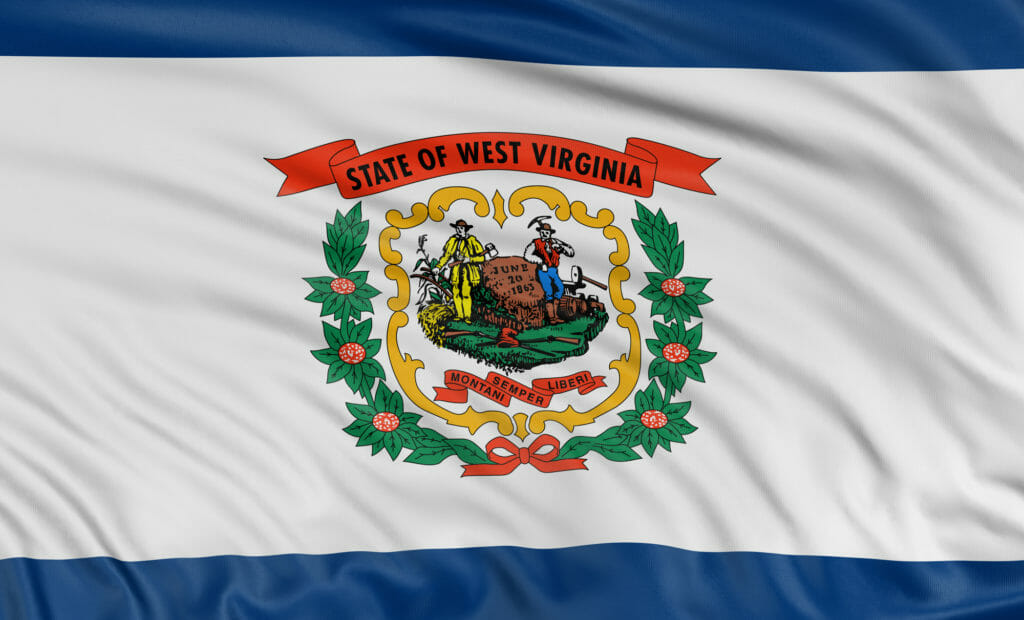
In light of the rapidly evolving legislative changes, we are also presenting a 50-state series analyzing how each jurisdiction treats hemp-derived cannabidiol (Hemp CBD). Today we turn to West Virginia.
West Virginia is one of the few dozen states and tribes that has had a hemp production plan officially approved by the USDA. The West Virginia Department of Agriculture (WDVA) regulates hemp cultivation in West Virginia. Even before the USDA approved West Virginia's hemp production plan WVDA was issuing hemp licenses pursuant to the Industrial Hemp Development Act and corresponding regulations. Under current West Virginia law, a hemp license (specific to a designated property) is required to cultivate and process hemp. The state imposes pre-harvest testing requirements on cultivators to ensure compliance with state and federal THC limits. And the state has specific enforcement and penalty guidelines for licensees who violate local laws. The cultivation program is fairly standard in terms of what we are seeing in the wake of the 2018 Farm Bill.
When it comes to West CBD, West Virginia takes a more interesting approach. The Industrial Hemp Development Act is very lax when it comes to Hemp CBD products, allowing them to be sold in the state. The law specifically notes that Hemp CBD may be added to cosmetics, products intended for human and animal consumption, and other products without being considered an adulterant. However, the law states:
Retail sales of hemp products may be conducted when the products and the hemp used in the products were grown and cultivated legally in another state or jurisdiction and meet the same or substantially the same requirements for processing hemp products or growing hemp under this article and rules promulgated [under the Industrial Hemp Development Act].
To date, it does not appear that regulations have been issued in West Virginia. WVDA posted proposed hemp products regulations on its website, along with information about those proposed regulations, but they don't appear to have taken effect yet. According to the information accompanying the proposed regulations, registration with the state will be required to make, distribute, or sell hemp products. While it's not clear what the status of these regulations are just yet, it is clear that if they take effect, they will create a much more involved regulatory framework that in other states.
We’ll continue to monitor all things hemp in West Virginia and elsewhere. For previous coverage in this series, check out the links below:
- ألاباما
- ألاسكا
- أريزونا
- أركنساس
- كاليفورنيا
- كولورادو
- كونيتيكت
- ديلاوير
- فلوريدا
- جورجيا
- غوام
- هاواي
- أيداهو
- إيلينوي
- إنديانا
- أيوا
- كانساس
- كنتاكي
- لويزيانا
- مين
- ماريلاند
- ماساتشوستس
- ميشيغان
- مينيسوتا
- ميسيسيبي
- ميسوري
- مونتانا
- نبراسكا
- نيفادا
- نيو هامبشاير
- نيوجيرسي
- نيو مكسيكو
- نيويورك
- كارولينا الشمالية
- داكوتا الشمالية
- أوهايو
- أوكلاهوما
- أوريغون
- بنسلفانيا
- بورتوريكو
- رود آيلاند
- كارولينا الجنوبية
- ساوث داكوتا
- تينيسي
- تكساس
- جزر فيرجن الأمريكية
- يوتا
- فيرمونت
- Virginia
- واشنطن