أقر «قانون تحسين الزراعة لعام 2018» (قانون الزراعة لعام 2018) شرعية القنب من خلال استبعاد هذه المحصول ومشتقاته من تعريف الماريجوانا بموجب «قانون المواد الخاضعة للرقابة» (CSA)، وتوفير إطار عمل مفصل لزراعة القنب. ويمنح قانون الزراعة لعام 2018 وزارة الزراعة الأمريكية (USDA) السلطة التنظيمية على زراعة القنب على المستوى الفيدرالي. بدورها، تتمتع الولايات بخيار الاحتفاظ بالسلطة التنظيمية الأساسية على المحصول المزروع داخل حدودها من خلالتقديم خطةإلى وزارة الزراعة الأمريكية.
وقد أدى هذا التفاعل بين الحكومة الفيدرالية وحكومات الولايات إلى العديد من التغييرات التشريعية والتنظيمية على مستوى الولايات. وبالفعل، قدمت معظم الولايات (واعتمدت) مشاريع قوانين من شأنها أن تسمح بالإنتاج التجاري للقنب داخل أراضيها. كما أن عددًا أقل، وإن كان متزايدًا، من الولايات ينظم بيع المنتجات المشتقة من القنب.
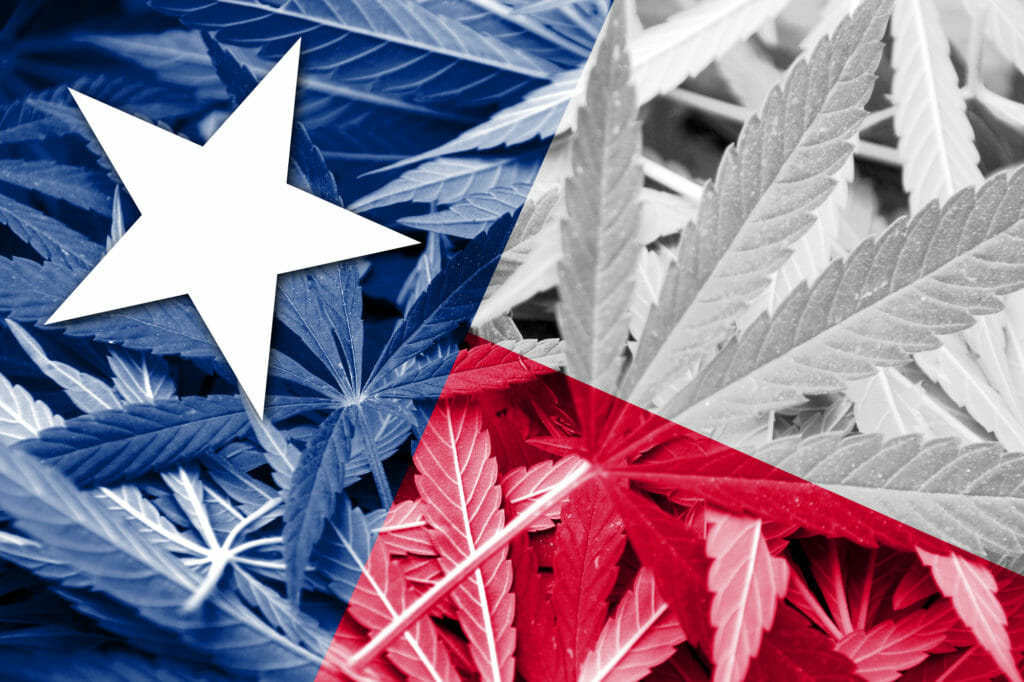
In light of the rapidly evolving legislative changes, we are also presenting a 50-state series analyzing how each jurisdiction treats hemp-derived cannabidiol (Hemp CBD). Today we turn to Texas.
On June 10, 2019, Texas enacted House Bill (HB) 1325, now codified at V.T.C.A., Health & Safety Code § 443.001 et seq., which legalized the production, manufacture, retail sale and inspection of hemp and of various hemp products, including “consumable hemp products.” “Consumable hemp product” means “food, a drug, a device, or a cosmetic […] that contains hemp or one or more hemp-derived cannabinoids, including cannabidiol.”
HB 1325 tasked the Texas Department of Agriculture (TDA) with overseeing the cultivation of hemp and the Department of State Health Services (DSHS) with regulating the manufacture, sale and distribution of “consumable hemp products.”
On January 27, 2020, USDA approved the state’s hemp production plan, which means the agencies are now free to implement HB 1325. TSA’s final hemp rules went into effect on March 11, 2020; however, DSHS has yet to finalize and publicly release its rules, which must (1) establish a manufacturing licensure program for Hemp CBD products; (2) create a registration process for retailers selling these products; and (3) develop a procedure to randomly test these products at retail.
This means that DSHS has yet to issue licenses to state processors, manufacturers and distributors and to accept registrations from retailers. Nevertheless, Section 11 of HB 1325 allows for existing retailers to possess, transport or sell “consumable hemp products” in the retailers’ inventory before DSHS rules go into effect. These retailers’ activities are presently allowed, provided the retailers are licensed in accordance with current state law, ensure the Hemp CBD products found on their shelves contain no more than 0.3 percent THC, and are safe for consumption by being free of heavy metals, pesticides, harmful microorganisms or residual solvents.
So, as of the date of this post, the manufacture of “consumable hemp products” isn’t allowed in Texas. Nevertheless, the state authorizes the sale and marketing of these products if they are processed or manufactured in another state in compliance with:
- that state or jurisdiction’s plan approved by the USDA;
- in the absence of a state submitted plan, a plan established by the USDA; or,
- the laws of that state or jurisdiction if the products are tested in compliance with, or similar to those set out in Section 443.151 of HB 1325.
It is worth noting that while the sale and marketing of Hemp CBD foods and cosmetics is allowed – so long as these products meet specific testing and labeling requirements, the definition of “consumable hemp product” does not include smokable products. Moreover, HB 1325 expressly prohibits the processing and manufacture of products “containing hemp for smoking.” “Smoking” is defined as “burning or igniting a substance and inhaling the smoke or heating a substance and inhaling the resulting vapor or aerosol.” Consequently, it is possible that once the DSHS rules go into effect, the sale and marketing of Hemp CBD e-cigarettes and other smokable products will also be banned. In light of this, manufacturers, distributors and retailers of Hemp CBD products should closely monitor the DSHS rule making process to ensure strict compliance with the latest set of rules.
For additional updates on changes to Texas hemp laws and Hemp CBD laws, please stay tuned to the Canna Law Blog. For previous coverage in this series, check out the links below:
- ألاباما
- ألاسكا
- أريزونا
- أركنساس
- كاليفورنيا
- كولورادو
- كونيتيكت
- ديلاوير
- فلوريدا
- جورجيا
- هاواي
- أيداهو
- إيلينوي
- إنديانا
- أيوا
- كانساس
- كنتاكي
- لويزيانا
- مين
- ماريلاند
- ماساتشوستس
- ميشيغان
- مينيسوتا
- ميسيسيبي
- ميسوري
- مونتانا
- نبراسكا
- نيفادا
- نيو هامبشاير
- نيوجيرسي
- نيو مكسيكو
- نيويورك
- كارولينا الشمالية
- داكوتا الشمالية
- أوهايو
- أوكلاهوما
- أوريغون
- بنسلفانيا
- بورتوريكو
- رود آيلاند
- كارولينا الجنوبية
- ساوث داكوتا
- تينيسي