أقر «قانون تحسين الزراعة لعام 2018» (قانون الزراعة لعام 2018) شرعية القنب من خلال استبعاد هذه المحصول ومشتقاته من تعريف الماريجوانا بموجب «قانون المواد الخاضعة للرقابة» (CSA)، وتوفير إطار عمل مفصل لزراعة القنب. ويمنح قانون الزراعة لعام 2018 وزارة الزراعة الأمريكية (USDA) السلطة التنظيمية على زراعة القنب على المستوى الفيدرالي. بدورها، تتمتع الولايات بخيار الاحتفاظ بالسلطة التنظيمية الأساسية على المحصول المزروع داخل حدودها من خلالتقديم خطةإلى وزارة الزراعة الأمريكية.
وقد أدى هذا التفاعل بين الحكومة الفيدرالية وحكومات الولايات إلى العديد من التغييرات التشريعية والتنظيمية على مستوى الولايات. وبالفعل، قدمت معظم الولايات (واعتمدت) مشاريع قوانين من شأنها أن تسمح بالإنتاج التجاري للقنب داخل أراضيها. كما أن عددًا أقل، وإن كان متزايدًا، من الولايات ينظم بيع المنتجات المشتقة من القنب.
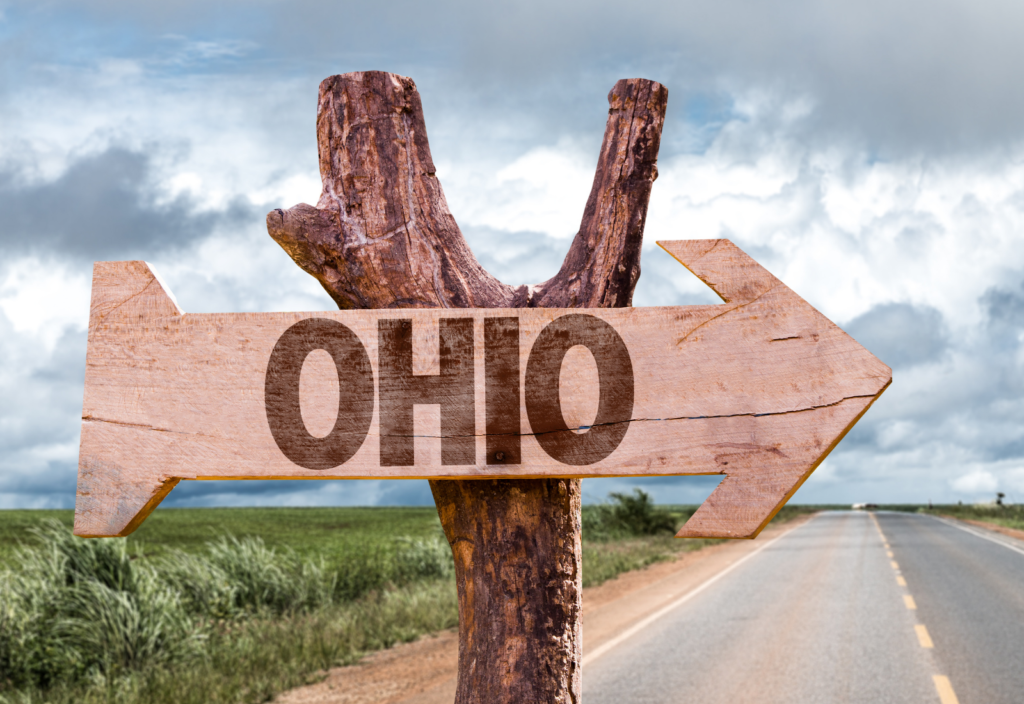
In light of the rapidly evolving legislative changes, we are also presenting a 50-state series analyzing how each jurisdiction treats hemp-derived cannabidiol (Hemp CBD). Today we turn to Ohio.
Hemp cultivation in Ohio is regulated by the Ohio Department of Agriculture (“ODA”). Notably, Ohio was among the first states that got a 2018 Farm Bill hemp production plan approved by the USDA. Way to go, Buckeyes! People who want to grow hemp in Ohio will need to obtain licenses from the ODA and hemp cultivated there is subject to testing requirements established by the USDA’s interim hemp rules.
When it comes to Hemp-CBD, the state has not dialed in its regulatory regime. The ODA is in the process of reviewing public testimony before adopting rules affecting the processing of Hemp CBD products. In late 2019, there was a public hearing concerning proposed processing rules that would govern many different types of Hemp-CBD products (as of today, those regulations haven’t been officially adopted). It’s important to note that these rules would not let anyone go and start processing. Instead, licenses would be required and it looks like the state’s requirements will be pretty comprehensive.
The products that the rules would govern include “hemp buds, flowers, cigarettes, cigars, shredded hemp, cosmetics, personal care products, dietary supplements or food intended for animal or human consumption, cloth, cordage, fiber, fuel, paint, paper, particleboard, and any other product.” So basically, anything under the sun. Notably, the rules anticipate the production of Hemp-CBD products (e.g., cosmetics and food) but also anticipate the use of hemp in all kinds of other products that will not be marketed for Hemp-CBD content (e.g., paint and fuel). These rules are therefore extremely comprehensive.
These rules would also impose some strict requirements on manufacture, including pretty standard things that our hemp attorneys see in other states. This includes testing and labeling, to start.
In sum, while Ohio probably isn’t anywhere near the top of the list when people think about states that allow hemp, it’s actually more friendly than a lot of other large states (looking at you California). While states like California are still in prohibitionist mode for all kinds of Hemp-CBD products, states like Ohio are taking the wheel. For more updates on Ohio’s Hemp-CBD laws, stay tuned to the Canna Law Blog.
للاطلاع على التغطية السابقة في هذه السلسلة، يرجى زيارة الروابط التالية: