أقر «قانون تحسين الزراعة لعام 2018» (قانون الزراعة لعام 2018) شرعية القنب من خلال استبعاد هذه المحصول ومشتقاته من تعريف الماريجوانا بموجب «قانون المواد الخاضعة للرقابة» (CSA)، وتوفير إطار عمل مفصل لزراعة القنب. ويمنح قانون الزراعة لعام 2018 وزارة الزراعة الأمريكية (USDA) السلطة التنظيمية على زراعة القنب على المستوى الفيدرالي. بدورها، تتمتع الولايات بخيار الاحتفاظ بالسلطة التنظيمية الأساسية على المحصول المزروع داخل حدودها من خلالتقديم خطةإلى وزارة الزراعة الأمريكية.
وقد أدى هذا التفاعل بين الحكومة الفيدرالية وحكومات الولايات إلى العديد من التغييرات التشريعية والتنظيمية على مستوى الولايات. وبالفعل، قدمت معظم الولايات (واعتمدت) مشاريع قوانين من شأنها أن تسمح بالإنتاج التجاري للقنب داخل أراضيها. كما أن عددًا أقل، وإن كان متزايدًا، من الولايات ينظم بيع المنتجات المشتقة من القنب.
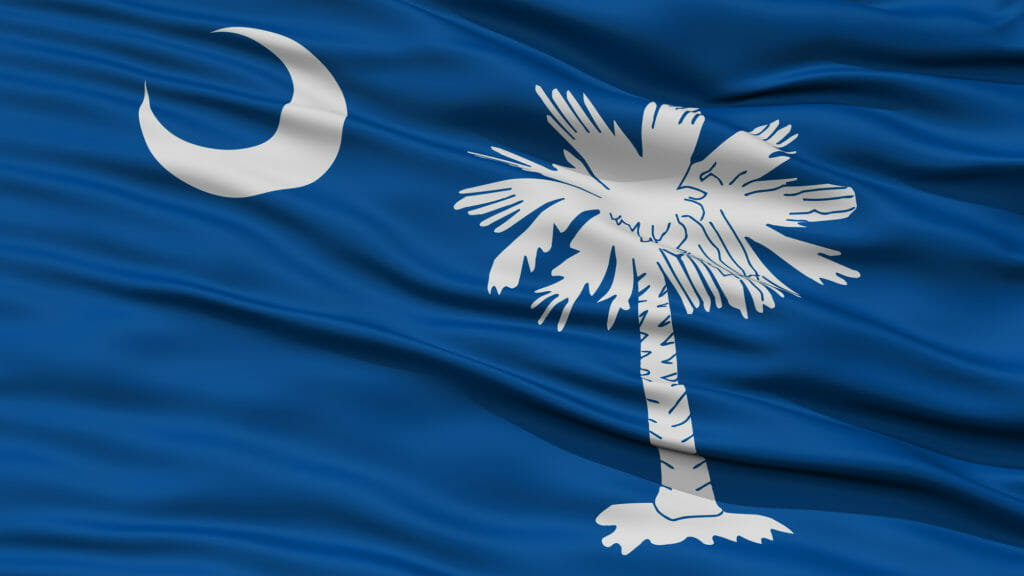
In light of the rapidly evolving legislative changes, we are also presenting a 50-state series analyzing how each jurisdiction treats hemp-derived cannabidiol (Hemp CBD). Today we turn to South Carolina.
Before the enactment of HB 3449 in March 28, 2019, the cultivation of hemp was strictly limited in South Carolina. Indeed, the South Carolina Department of Agriculture (“SCDA”), which oversees the production of hemp, could only issue licenses to 40 applicants who were each limited to growing no more than 40 acres of hemp.
In addition to expanding the total number of licenses available and the number of acres that could be cultivated, the new law also gave SCDA regulatory authority over “hemp products”, defined as:
all products with the federally defined THC level for hemp derived from, or made by, processing hemp plants or hemp plant parts, that are prepared in a form available for commercial sale, including, but not limited to, cosmetics, personal care products, food intended for animal or human consumption, cloth, cordage, fiber, fuel, paint, paper, particleboard, plastics, and any product containing one or more hemp-derived cannabinoids, such as cannabidiol.”
Yet, HB 3449 provides that “[t]he provisions contained in this chapter do not apply to the possession, handling, transport, or sale of products and extracts, including those containing hemp-derived cannabinoids, including CBD” and further specifies that “[n]othing in this chapter authorizes any person to violate any federal or state law or regulation.”
Therefore, this statutory language suggests that the sale of Hemp CBD products is only allowed if authorized by relevant federal agencies, including the Food and Drug Administration, which regulates the sale and marketing of certain categories of Hemp CBD products (i.e., foods, dietary supplements, cosmetics and tobacco products).
This interpretation of the statutory language was supported in February 2019 when in a news release, the SCDA declared that it follows FDA guidelines, and thus, treats the sale of Hemp CBD foods as unlawful. Nevertheless, the SCDA’s Quick Guide to Hemp Products in Human Food states that approved hemp food ingredients include “full spectrum” ingredients if:
- it contains the naturally occurring array of phytonutrients found in hemp (which include naturally occurring CBD);
- it does not include health claims; and
- it does not bear any sort of declaration of CBD.
The sale and marketing of cosmetics is neither allowed nor restricted in the state. However, given the state’s deference to the FDA guidelines, the sale of these products seems lawful so long as these products:
- do not contain more than 0.3% THC;
- are not adulterated (e., unsafe) or misbranded;
- are not intended to be used as drugs; and
- do not contain labels or promotional materials that contain claims regarding diseases or bodily structure/function.
When it comes to smokables, the state takes issue with products containing raw unprocessed hemp. Law enforcement began cracking down on the sale of these products following the release of a public opinion by the Attorney General (“AG”), in which the AG clarified that “the mere possession of raw unprocessed hemp or hemp not in a finished product without a state license is unlawful”. In addition to prohibiting the sale of smokable products containing raw hemp, South Carolina bans the sale of Hemp CBD e-cigarettes and other vaping devices as state law expressly excludes “cannabis or CBD as defined under the laws of this State and the laws of the United States” from the definition of “e-liquid”.
In sum, while South Carolina authorizes the cultivation of hemp, it takes a conservative approach regarding the sale and marketing of most Hemp CBD products. It remains to be seen whether the state’s hemp production plan, which is currently under review by the U.S. Department of Agriculture, will shed new light on the sale of these products. Accordingly, for the time being, Hemp CBD manufacturers, distributors and retailers should carefully select which products to introduce in the Palmetto State.
للحصول على المزيد من المستجدات حول التغييرات التي تطرأ على قوانين القنب وقوانين الكانابيديول (CBD) في ولاية بنسلفانيا، يرجى متابعة Canna Law Blog. وللاطلاع على التغطيات السابقة في هذه السلسلة، يرجى النقر على الروابط أدناه:
- ألاباما
- ألاسكا
- أريزونا
- أركنساس
- كاليفورنيا
- كولورادو
- كونيتيكت
- ديلاوير
- فلوريدا
- جورجيا
- هاواي
- أيداهو
- إيلينوي
- إنديانا
- أيوا
- كانساس
- كنتاكي
- لويزيانا
- مين
- ماريلاند
- ماساتشوستس
- ميشيغان
- مينيسوتا
- ميسيسيبي
- ميسوري
- مونتانا
- نبراسكا
- نيفادا
- نيو هامبشاير
- نيوجيرسي
- نيو مكسيكو
- نيويورك
- كارولينا الشمالية
- داكوتا الشمالية
- أوهايو
- أوكلاهوما
- أوريغون
- بنسلفانيا
- بورتوريكو
- رود آيلاند