











International Distribution Contracts in Real Life
Our job as lawyers is to write an enforceable international distribution contract to protect them, both in the foreign country and at home.
Our job as lawyers is to write an enforceable international distribution contract to protect them, both in the foreign country and at home.

This post sets out the four most important steps you should take to protect your IP from China. These steps will minimize the likelihood of you having a China IP problem and maximize your chances of prevailing should such a problem actually arise.

A few weeks ago, we did a webinar on moving manufacturing from China to Mexico. To watch the webinar, go here. To see the Powerpoints from the webinar, go here. During the webinar we promised to post answers answers to questions we were asked but were unable to answer during the webinar. The below are an initial set of questions and answers. We will follow up with a part 2, with more questions and answers, in a few days. These questions are in no particular order. We received a number of questions that were very particular to a company or an industry and we will not be answering those questions on here, but if you email us, we will do so to the extent possible.
This post explains how to protect your product from China when having your product made in China. One of the first things our international manufacturing lawyers do when working with a company having products made in China is to figure out the contracts and IP registrations that will ensure our client's intellectual property and other rights will be protected against its Chinese manufacturer and the rest of the world.
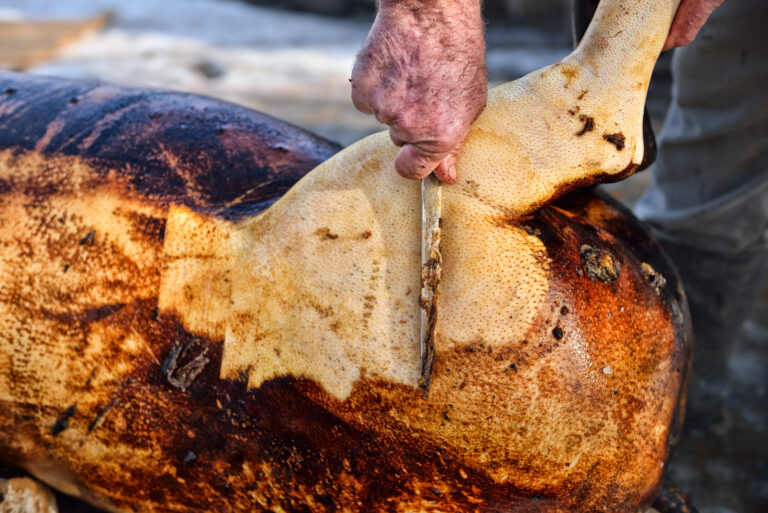
But lately our international litigation team has been seeing a vertible ton of a particularly sinster scam: The “Sha Zhu Pan” (Chinese: 杀猪盘) or, “Butchering the Pig” scam. The typical email we receive from a victim of this forex or crypto scam is usually something like this.
International Manufacturing Turmoil Increases International Manufacturing Risks With the increasing risks of manufacturing in China, our international manufacturing lawyers are being contacted by many companies seeking legal help after all has been lost. These are mostly companies that moved their manufacturing to “bad” Chinese manufacturers or to other countries in an effort to reduce their
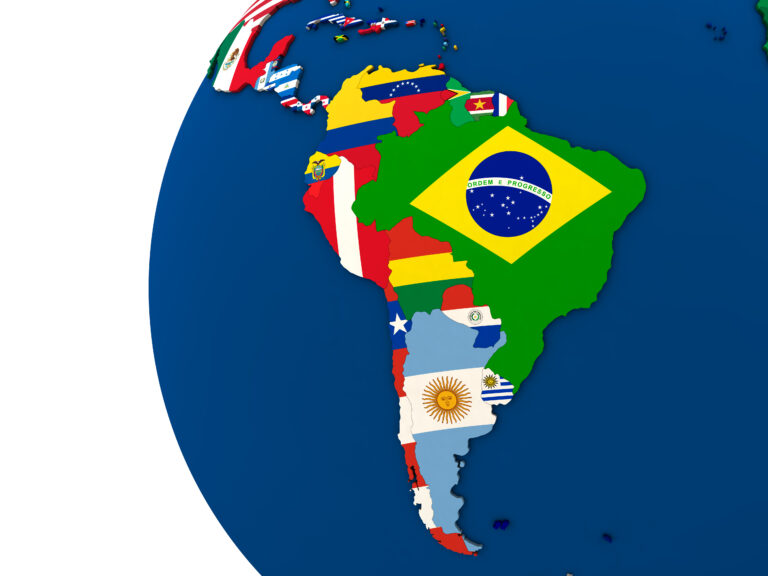
China-Latam ties are growing. This is an important development for businesses, and not just those in China and Latin America. For businesses in the United States and most of the global north, China presents a conundrum. The lure of its vast markets remains strong, and for many companies it remains the go-to location for manufacturing or sourcing their products. At the same time, there's increasing concern at home about China's behavior. If it was "just" a matter of human rights violations, there might be less concern overall with possible spill-on effects. However, there's also a—not unjustified—feeling that China has unfairly muscled its way to economic dominance. As a result, companies must walk a fine line as they seek the benefits of China engagement, in order to placate increasingly frustrated customers at home. But things are different in the global south.

Web3 China vocabulary. Chinese companies are investing in web3 technologies despite the countrywide crypto mining ban. Here is help learning Chinese web3 vocabulary.
Biden's decision to extend solar trade wars and modify tariffs shows climate change is as important as protecting US manufacturers.
Is China too big to fail? Evergrande’s insolvency shows that state control over China's banking system does not eliminate systemic risk in the Chinese economy.