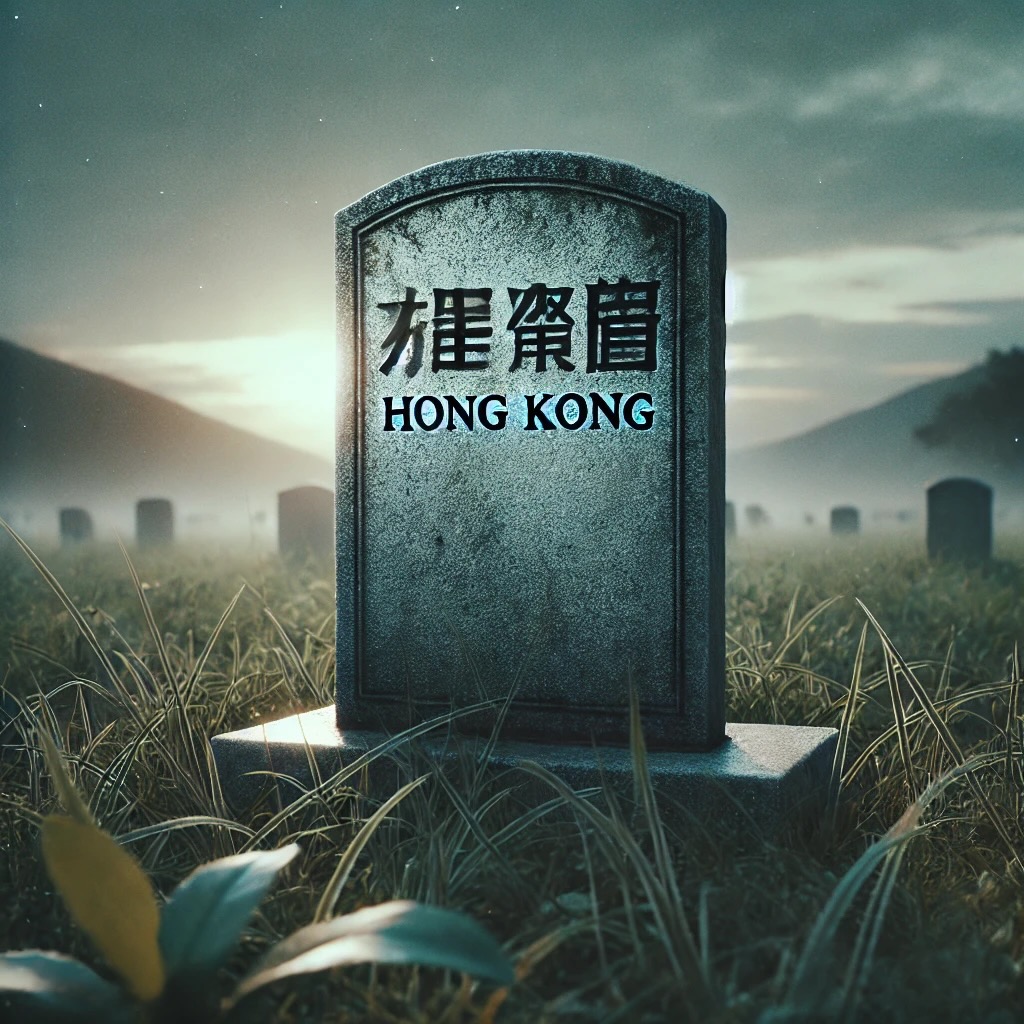
¿Ha perdido Hong Kong su relevancia?
I recently had a nearly two-hour conversation with a Beijing lawyer friend of mine. He's with a Chinese law firm, and our talks often involve exchanging insights about our respective countries—both of us aiming to better understand emerging trends for our law firms' future focus. I value these discussions highly as they enrich my understanding and occasionally challenge my assumptions.
Durante nuestra conversación, tocamos diversos temas, pero no se mencionó Hong Kong, salvo cuando recordamos un proyecto en el que habíamos trabajado juntos.
When I got off the phone it struck me that we had not discussed Hong Kong because it doesn't much matter anymore. Hong Kong seems to come up only when a PRC manufacturing company directs one of our clients to pay indirectly by paying to a Hong Kong company. See Paying Chinese Suppliers in Hong Kong for why this is a bad idea.
In August 2019, in what now seems like an eternity ago, we published Hong Kong for International Business: Stick a Fork in It, declaring what we saw as the end of Hong Kong as we knew it. At the time, what we said was incredibly controversial, and I received more hate comments, hate mail, and mockery for that post than for pretty much all other posts put together. One email from a Hong Kong lawyer stands out. He called me "a liar, a moron, and a know-nothing" and assured me I’d be proven wrong when Hong Kong's status remained intact. Another
Otros, sin embargo, elogiaron nuestra franqueza. Hay un comentario que se me quedó grabado:«No sé por qué este blog es siempre el que parece decir lo que todos pensamos, pero es precisamente eso lo que hace que lo lea en primer lugar cada mañana».Mi respuesta fue sencilla:«No estamos tan vinculados a China como lo están muchos otros».
Siempre nos hemos propuesto ofrecer un análisis objetivo, esforzándonos al máximo por abordar los temas desde una perspectiva basada en los hechos, independientemente de la región de que se trate. Este enfoque nos ayuda a mantener una perspectiva equilibrada, ya sea que hablemos de Hong Kong, México o cualquier otro lugar.
Looking back, the transformation in Hong Kong’s role as an international business hub has been profound, aligning with the observations we shared years ago. The territory's economic and regulatory landscape has notably shifted:
- El declive económico de Hong Kong: La caída continuada de las ventas minoristas y las contracciones económicas reflejan problemas sistémicos más profundos. Véase: Las ventas minoristas de Hong Kong caen un 2,9 % interanual en octubre.
- Financial Crime Concerns: The increasing focus on Hong Kong by U.S. lawmakers regarding financial crimes like money laundering is troubling. See Hong Kong Is Becoming Hub for Financial Crime, U.S. Lawmakers Say. My law firm's internet fraud litigators are well-known for handling huge butchering the pig scam cases, and in nearly all of them, the stolen funds eventually go to Hong Kong.
- Traslado de activos a Singapur:con 4,1 billones de dólares gestionados actualmente desde Singapur, la preferencia del sector financiero es evidente.
- Éxodo de empresas extranjeras: La aplicación de la Ley de Seguridad Nacional en 2020 aceleró la migración de las empresas hacia entornos más estables. Véase, por ejemplo, «El éxodo de los profesionales del derecho de Hong Kong deja a los estudiantes de Derecho con pocas opciones».
Diminished Autonomy: The erosion of legal and operational autonomy in Hong Kong has significantly impacted international confidence. See e.g., The United States Government's Hong Kong Business Advisory. Or to put it more bluntly -- and as I've heard so many say, "now that that Hong Kong is truly China, who needs it?"
Las implicaciones para las empresas internacionales son evidentes, y mi función como abogado consiste en ayudar a mis clientes a adaptarse a estos cambios de la siguiente manera:
- Explorar alternativas: Ayudamos a nuestros clientes a considerar otras ciudades para sus operaciones; muchos de ellos se plantean Singapur o Bangkok.
- Elaboración de planes de evacuación: Ayudamos a nuestros clientes a elaborar sus planes de contingencia.
- Revisión de las cláusulas de arbitraje: Ayudamos a nuestros clientes a renegociar las disposiciones de arbitraje en Hong Kong de sus contratos actuales y a elegir sedes alternativas para la resolución de litigios en sus futuros contratos.
- Understanding the Ramifications of the New Hong Kong: This mostly involves our helping our clients better understand the risks related to Hong Kong's greatly reduced autonomy from the Mainland.
Hong Kong's Uncertain Future
While the trajectory of Hong Kong's decline as a global financial hub is evident, there are some who still believe that its deep integration with the Chinese economy, particularly within the Greater Bay Area, could provide it with new opportunities for growth and development. Additionally, the city's strong infrastructure, skilled workforce, and still somewhat respected legal system could continue to attract certain types of businesses, particularly those focused on high-value-added services and specialized industries.
However, the geopolitical tensions between the United States and China, as well as the increasing influence of the Chinese Communist Party over Hong Kong's affairs, pose significant challenges to the city's long-term prospects. The erosion of the "one country, two systems" principle and the imposition of the National Security Law have raised concerns about the rule of law, freedom of speech, and the independent judiciary in Hong Kong. These factors, coupled with the increasing economic and political uncertainty in the region, have led many international businesses to reassess their operations in Hong Kong and seek alternative locations.
Conclusión
En 2019, mis predicciones fueron recibidas con escepticismo y hostilidad. Pero hoy en día, las pruebas de la transformación de Hong Kong son innegables. Aunque reconozco que me satisface ver cómo se han confirmado mis predicciones anteriores, el objetivo principal de este artículo es poner de relieve la necesidad fundamental de ser flexibles ante estas rápidas transformaciones.
También es un llamamiento a la acción para que las empresas adopten una mentalidad más abierta de cara al futuro. El objetivo de este artículo es destacar la importancia de la adaptabilidad en las decisiones empresariales. Un panorama empresarial internacional en constante evolución exige un enfoque proactivo y bien preparado. A medida que la dinámica global sigue evolucionando, también deben hacerlo nuestras estrategias y recomendaciones. Si no te mantienes al día, te quedas atrás.
Para la mayoría de nuestros clientes estadounidenses, el principal problema será la segunda ronda de aranceles de Trump. Si desea obtener información y asesoramiento estratégico sobre cómo hacer frente a los nuevos aranceles, le recomiendo encarecidamente que lea los artículos «Los nuevos aranceles de Trump y su impacto en el comercio de EE. UU. con China, México y Canadá» y «Cómo aprovechar los nuevos aranceles a China para REDUCIR sus costes de fabricación en ese país».