It seems as if there is a new cannabinoid product coming out every five minutes. Scratch that - it seems like there is a new cannabinoid coming out every five minutes. After CBD, it was CBG and CBN, then the deltas, and then, well, it's hard to keep track. Today, every time I research these new cannabinoids, I inevitably see ones I have never heard of before.
人们经常问我,某种大麻素将如何受到监管。我通常的回答是,在大多数情况下,不会有联邦或州法律专门针对该大麻素作出规定。但我认为,在此有三个关键因素需要考虑。
In a post on August 3, 2023, hemp lawyer Rod Kight analyzed new cannabinoid H4 CBD - one I'd never stumbled into before. In that post, he analyzed two of the key questions at issue - first, whether H4 CBD is deemed "THC" under the Controlled Substances Act; and second, whether H4 CBD could qualify as a new dietary ingredient (NDI) under the Food Drug and Cosmetic Act (FDCA). I think it is also key to consider state law and whether it imposes restrictions beyond the CSA and NDI process. I'm sure Rod thinks about this too, although it's hard to cover everything in a short blog post!
今天我想谈谈“新膳食成分”(NDI)的问题,并对此做进一步说明。如果有人想将某种新物质(比如新发现或新开发的大麻素)添加到膳食补充剂中,该物质将被视为“新膳食成分”(NDI)。制造商必须向美国食品药品监督管理局(FDA)提供证明该NDI安全性的信息。据我所知,早些时候有人曾尝试将CBD作为NDI申请,但该机构驳回了这些申请。
But CBD isn't the best analogy for some of these newer cannabinoids - especially for the intoxicating and/or synthetic ones. For one, CBD isn't intoxicating. For another, it was approved in the form of Epidiolex®, meaning it couldn't be a new dietary ingredient under the so-called Drug Exclusion Rule. I don't want to go down that rabbit hole today, but you can read about it here if interested.
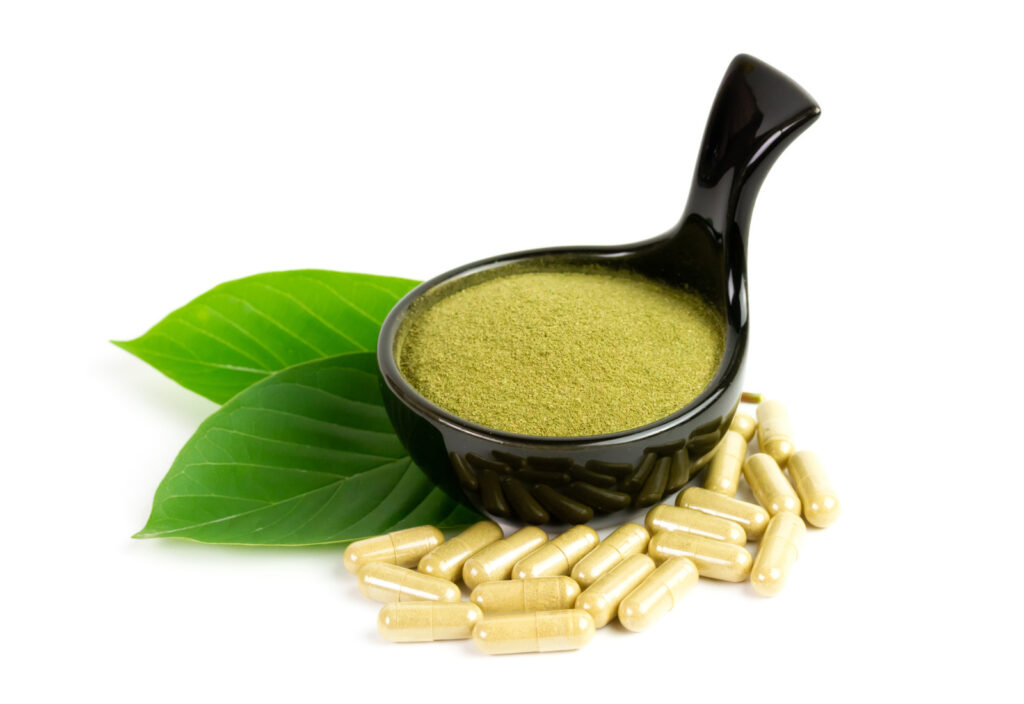
So if you want to know how FDA might handle something like this, a good place to start is with kratom. Kratom is in many senses very different from cannabinoids - it comes from Southeast Asia and has effects that are comparable to opioids. It's not new or synthetic, as are a lot of the newer cannabinoids flooding the market. But, it can be intoxicating. And it is not on the CSA (the DEA tried and then backed off efforts to schedule it in 2016). And it can reportedly be dangerous, although I'm sure some of you would point out that some of the vape deaths a few years ago were reportedly caused by synthetic cannabinoids.
But FDA isn't deterred. Here is what it says on its website currently:
克拉托姆不适合作为常规膳食补充剂使用。美国食品药品监督管理局(FDA)根据现有信息(包括科学数据)得出结论:克拉托姆是一种新型膳食成分,目前尚无充分信息能合理保证该成分不会造成重大或不合理的疾病或伤害风险;因此,根据《联邦食品、药品和化妆品法》(FD&C Act)第402(f)(1)(B)条,含有克拉托姆的膳食补充剂属于掺假产品。 此外,FDA认定,当克拉托姆添加到食品中时,属于第409条所指的不安全食品添加剂;含有克拉托姆等不安全食品添加剂的食品,根据第402(a)(2)(C)(i)条属于掺假食品。基于FDA的上述认定,克拉托姆不得作为膳食补充剂合法销售,也不得合法添加到常规食品中。
That's a lot to unpack. Basically, according to FDA, there isn't sufficient information to show that kratom is safe, so it cannot be an NDI. And as we'll come back to in a moment, this is quite an understatement of FDA's position, which is that kratom is incredibly harmful.
Turning back to the above quote, let's hone in on the word "adulterated." The import, sale, distribution, etc. of adulterants or adulterated products can lead to civil and criminal penalties galore under the FDCA. FDA is pretty aggressive when it comes to kratom, as opposed to its occasional warning letter for CBD. Take this FDA press release from April 2023 for example:
周三,应美国食品药品监督管理局(FDA)的要求,美国法警局查获了超过25万件含有或由克拉托姆制成的膳食补充剂及散装膳食成分,其中包括1000多公斤的散装克拉托姆……被查获产品的价值约为300万美元。 美国司法部代表FDA向俄克拉荷马州北区联邦地区法院提起诉讼,指控克拉托姆属于新型膳食成分,目前缺乏充分信息来合理保证其不会造成重大或不合理的疾病或伤害风险; 因此,根据《联邦食品、药品和化妆品法》,含有或由克拉托姆制成的膳食补充剂及散装膳食成分均属掺假产品。
FDA 虽然仍需在法庭上证明其主张,但关键在于,此案确实将进入法庭审理阶段。在过去的五年里,我们见过多少次关于 CBD 的类似情况?
Now, you may be thinking to yourself, "kratom is a lot different from cannabinoids." I agree. I'm not here to say things are apples to apples. But what I can say is that the NDI process effectively puts the onus on manufacturers to prove something is safe, with FDA having ultimate gatekeeping authority. Just look at how FDA talks about delta-8 THC, an intoxicating cannabinoid, and it's not hard to see the agency taking the same or even a kratom-esque position with respect to lab-created, intoxicating cannabinoids. If Congress doesn't address this in the upcoming farm bill, expect FDA to.
One last point about kratom that could inform the future of cannabinoid regulation - states often fill a vacuum created by the federal government's inaction. When DEA opted not to schedule kratom, a number of states did schedule the substance (and a number went the other way, passing various kratom consumer protection acts). Actual consumers have no idea about the patchwork of directly opposite state laws, so we see things like people buying kratom legally in Florida, driving home to Alabama where it is illegal, and getting arrested along the way. Check out this Tweet thread for an example of some of the shocking potential prosecutions that are being reported based on this example alone.
这与大麻素市场息息相关,因为同样的情况也将在各州层面开始出现。多年前,我们就曾目睹各州相继禁止可吸食的大麻。随后又出现了对Δ-8-THC的禁令。这种情况将会持续发生,而人们也将继续因此被捕。
The bottom line here is that the future of hemp cannabinoid regulations is going to be messy. Nobody knows exactly what things will look like after the next farm bill, but my guess is that this Congress doesn't do a great job (shocking prediction, right?) and we get left with occasional FDA intervention and a wildly shifting state-level framework, just like with kratom. Let's hope I'm wrong and Congress buttons this issue up right - but I don't have high hopes on this one.