










DDP Shipping Risks: What Boise Cascade’s Guilty Plea Means for U.S. Buyers
The Boise Cascade guilty plea shows why opaque DDP shipping can expose U.S. buyers to customs investigations, unpaid duties, penalties, and criminal risk.

Dan Harris Harris Sliwoski的创始合伙人Dan Harris 该所是一家国际律师事务所,他主要代理在新兴市场国家开展业务的公司。他大部分时间都致力于协助欧美企业开拓海外市场,通过与事务所内的国际律师团队合作,协助客户在海外设立公司(外商独资企业、子公司、代表处和合资企业),起草国际合同,保护知识产权,并监督并购交易。
此外,丹在国际法领域撰写了大量文章并频繁发表演讲,重点关注保护外国企业在海外运营时的权益。他同时也是位高产且广受关注的博主,作为获奖博客《China Law Blog》的联合作者持续创作。
The Boise Cascade guilty plea shows why opaque DDP shipping can expose U.S. buyers to customs investigations, unpaid duties, penalties, and criminal risk.

Sinosure Claims: Protect First, Negotiate Later (If You Must) Our firm has handled more than 100 Sinosure matters. In none of them has Sinosure reduced the principal amount it demanded. Not once, not ever, not by one dollar. I lead with this because foreign companies almost always ask us the same first question: Can we

Learn how foreign judgments are recognized, enforced, and challenged in U.S. courts, including key defenses, asset tracing, and collection strategy.

International Distribution Agreements: Beware the Eager Distributor In one matter my law firm handled, a manufacturer of industrial coatings signed an exclusive Southeast Asia distribution agreement with a distributor that looked ideal. It had regional warehousing, relevant sales experience, and a management team that sounded sophisticated from the first call. Eighteen months later, the manufacturer

Foreign Contractors and Distributors: Frequently Asked Questions Yesterday’s post explained why the overseas sales shortcut so often backfires: a company calls someone a contractor, agent, or distributor, but the relationship underneath does not match the label. This FAQ builds on that post. It answers the questions we most often hear from companies selling abroad without

Foreign Contractors and Distributors: The International Sales Shortcut That Often Backfires Many companies want foreign sales without a foreign footprint: no subsidiary, no payroll, no local employees, no leased office, no permanent commitment. That can be a sensible way to test a market. But for many businesses, that first move into international sales is also

The Hong Kong Intermediary Trap: Do Not Contract with the Wrong China Company Foreign buyers like dealing with Hong Kong intermediaries. The emails are clear, the invoices look familiar, the bank account feels safer, and the person on the other end usually speaks better English than the factory contact. But in China manufacturing, invoices are

China Supply Chain Restructuring: Legal Traps in Moving, Selling, or Exiting China A U.S. manufacturer decides to move production from China to Mexico. The company’s technical team starts shipping over production files and the company opens early talks with a Chinese buyer for the plant. The move looks routine. Then the files raise an export-control
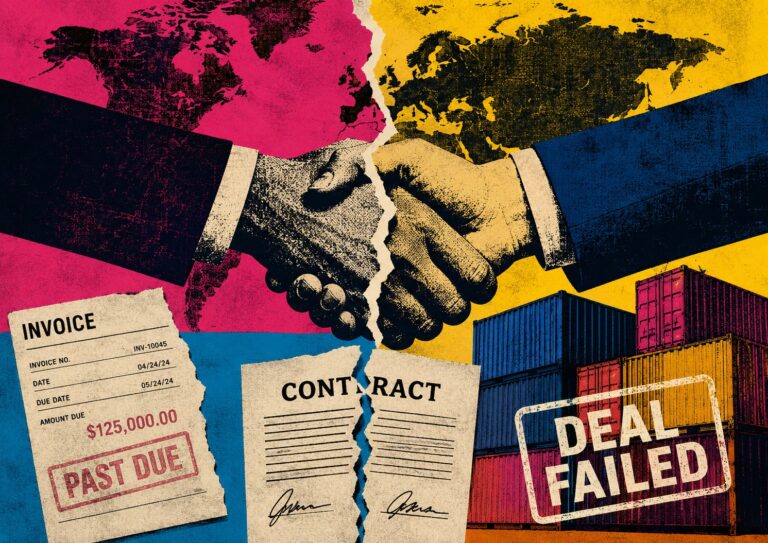
When Your Contract Will Not Save You in a Cross-Border Credit Dispute A U.S. company recently lost more than $860,000 to a foreign client. It had a signed contract, invoices, and legal remedies. That still was not enough. The contract was not the real problem. The company extended too much unsecured credit, dealt with the

Can You Subpoena a Chinese Company? What You Need to Know About China Discovery In cross-border litigation involving mainland China-based defendants, U.S. litigation lawyers often mistake the ability to issue a subpoena for the ability to enforce it. A subpoena backed by a U.S. court carries real consequences inside the United States, but it has