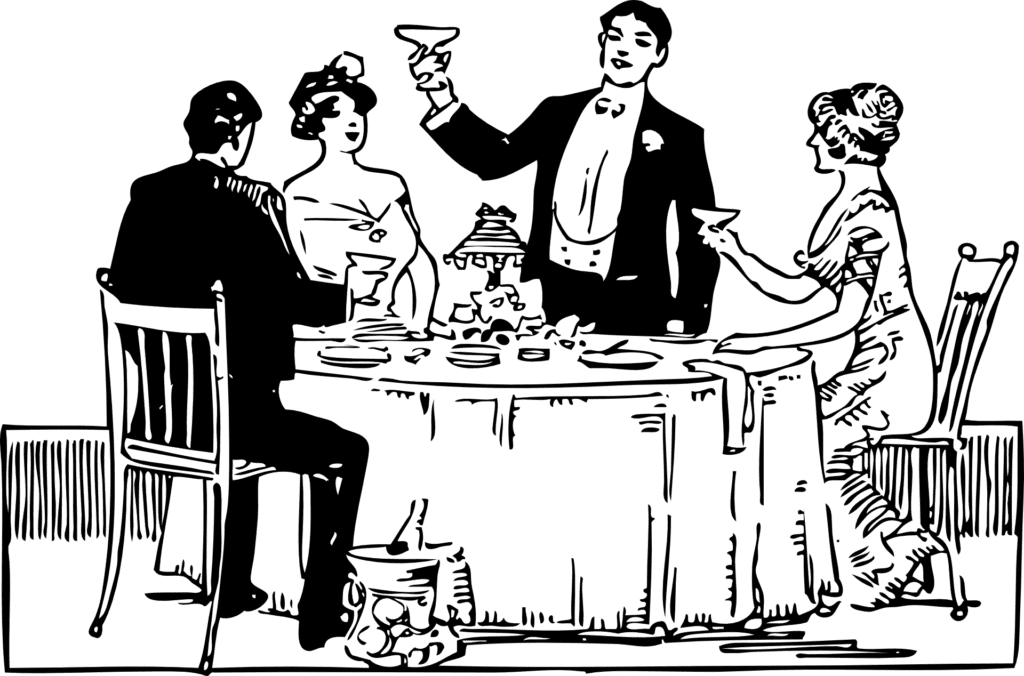
The Rules for China Toasting: Business Etiquette at the Banquet Table
Though I’m a complete lightweight when it comes to alcohol (I average maybe one drink a month), I consider myself something of a master of foreign business toasting. I’ve participated in well over a hundred toasting sessions—with Chinese, Koreans, Thais, Turks, Mexicans, Spaniards, French, and Russians—and the overall protocol is surprisingly consistent across cultures.
The Importance of Toasting in Chinese Business Culture
Toasting is a deeply ingrained ritual in Chinese dining culture, particularly at business banquets. It symbolizes respect, goodwill, and the intention to build long-term relationships. The rules of toasting reflect hierarchical values: elders are always toasted first, and junior participants should not initiate a toast to a senior counterpart until the senior has done so first.
“Bottoms-up” on every toast is not expected—just take a sip. What matters is the gesture and the spirit of the moment.
China Toasting Etiquette: How to Toast with Grace
1. Vague is Good
The key to a successful business toast in China (and, truthfully, most places) is to be incredibly vague yet relentlessly positive. Say essentially the same thing each time—without saying much at all—but deliver it with genuine warmth. Make it sound like this is the first time you’ve ever uttered those words, and do it with conviction.
Display emotion, especially as the evening progresses. Follow the lead of your hosts—if physical gestures like a friendly arm over the shoulder are welcomed, join in. But don’t be the first to initiate that kind of contact.
Stand up when delivering your toast. Make eye contact. Hold your glass with your right hand or both hands. Don’t interlock arms. Refill your neighbor’s glass when it’s low—this is a subtle but meaningful sign of respect.
2. Tried-and-True Toasting Themes
Each toast should briefly highlight one of the following timeless and diplomatic themes:
-
Harmony
-
Friendship
-
A Bright Future
-
Cooperation
-
Mutual Benefit
-
Shared Purpose
-
Gratitude to Partners
-
Respect for Cultural Exchange
-
Long-Term Relationship Building
-
Appreciation for Hospitality
Avoid getting specific or overly detailed. These toasts are symbolic gestures, not strategic briefings.
3. A Pre-Packaged Toast That Always Works
Here’s a universal favorite I’ve used many times:
I would like to toast this wonderful meal and our new friendship. It has been an honor to learn more about your company this evening. The future of our partnership is bright, and I look forward to our groups working harmoniously together, united behind our common purpose. Ganbei!
Toast Well and Toast Often
A well-delivered toast at a Chinese business banquet is more than a polite gesture—it’s a form of diplomacy. Done right, it can set the tone for a successful business relationship.