dont smoking flat style icon

Se mantiene la prohibición del cáñamo fumable en Indiana (por ahora)

The Agriculture Improvement Act of 2018 (“2018 Farm Bill”) legalized hemp by removing hemp and its derivatives from the definition of marijuana under the Controlled Substances Act (“CSA”). The 2018 Farm Bill also provided a detailed framework for the production of hemp and directed the U.S. Department of Agriculture (“USDA”) to promulgate regulations and permitted


Harvest Trademark

La marca comercial Harvest es un punto de controversia constante en el mercado del cannabis estadounidense.

Almost exactly a year ago, I wrote about the uptick in cannabis business suing one another for trademark infringement (as opposed to non-cannabis companies suing cannabis companies, which happens a lot and which you can read about here, here, and here). The example at hand was the litigation between Harvest Dispensaries Cultivation & Production Facilities,

cell phone on wood table

Litigios relacionados con el cannabis: reclamaciones en virtud de la TCPA

If you aren’t familiar with the TCPA, you should familiarize yourself with this important statute that is currently sparking a ton of litigation in the cannabis industry. The TCPA stands for the Telephone Consumer Protection Act – a statute that was passed in 1991 to fight the incessant “robocalls” that were plaguing consumers at the

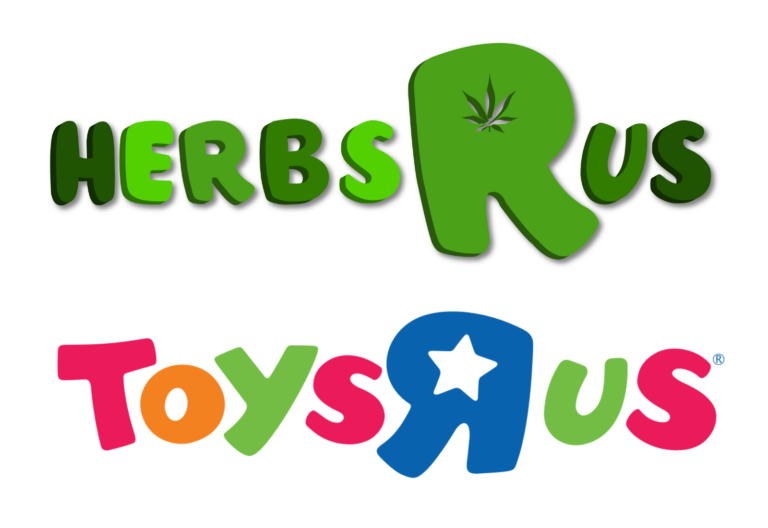
HERBS R US frente a TOYS R US: la marca comercial

Toys “R” Us gana la demanda por infracción de marca registrada por «depreciación del fondo de comercio» contra la dispensaria canadiense Herbs “R” Us.

Earlier this month the Canadian Federal Court handed retail toy store Toys “R” Us a victory in its trademark lawsuit alleging “depreciation of goodwill,” among other causes of action including trademark infringement and “passing off,” against B.C., Canada-based dispensary, Herbs “R” Us. For reference, the two logos can be seen above. Toys “R” Us was

Contratos en China que funcionan

Por qué nos encanta la apelación del IRC § 280E de Harborside

Recientemente mencioné que, salvo en el caso Champ contra el Comisionado, ninguna empresa del sector del cannabis ha ganado jamás un caso relacionado con el artículo 280E del Código de Rentas Internas. Uno de los reveses más sonados fue un caso de 2018 conocido como Harborside contra el Comisionado, en el que se declaró expresamente que el artículo 280E del Código de Rentas Internas era constitucional. Esa sentencia comenzaba con la memorable frase: «[Harborside] es propietaria de lo que...»

La galleta de la suerte dice: «Prepárate para la aventura»

Cannabis en Oregón: qué hacer si recibe una notificación de la OLCC sobre la propuesta de cancelación de la licencia u otro «documento de acusación»

The Oregon Liquor Control Commission (“OLCC”) is tasked with regulating medical and recreational cannabis in Oregon and this includes commencing administrative enforcement proceedings against licensees found in violation of one or more rules. The OLCC may seek sanctions against licensees ranging from a monetary penalty and/or a period of suspension to license cancellation. We sat

post it note on corkboard with reminder message on it

Cannabis en California: las cláusulas de no competencia casi nunca son aplicables

In this post, I want to explore something very significant that a lot of people gloss over when reviewing contracts: non-compete clauses. Non-compete clauses are exactly what they sound like: they prohibit one party from competing with another. A common example of a non-compete is in an executive employment agreement, where an executive of a

Clenched fist painted as El Salvador flag on white background

El Tribunal Federal de Apelaciones falla a favor de una empresa salvadoreña dedicada al cáñamo y al CBD en una disputa sobre una cláusula de arbitraje.

We regularly write about arbitration as an alternative to litigation on this blog and on our sister blog, the China Law Blog. Topics have included the pros and cons of arbitration in the cannabis industry, international arbitration issues, and U.S. Supreme Court cases: Cannabis Litigation 101: Arbitration Cannabis Arbitration: The Good, The Bad, and The

Foto antigua de un agente de policía

Reclamaciones sobre el CBD: las medidas coercitivas federales ya no se limitan a cartas de advertencia

Las ventas en línea de cannabidiol («CBD»), incluidos los productos de CBD derivados del cáñamo, se han disparado como consecuencia de la pandemia del coronavirus («COVID-19»). Lamentablemente, en estos tiempos de incertidumbre, algunas empresas del sector del CBD se han aprovechado del miedo y la ansiedad de la gente ante la propagación del virus, afirmando que el CBD puede tratar e incluso curar

Suscríbete a nuestro blog

Descubre las últimas noticias y análisis jurídicos sobre China, el cannabis, el derecho internacional, la inmigración, la resolución de conflictos y la Web3.