










中国强迫劳动:站在历史正确的一边
罗伯托·德维多*《经济学人》近期在专栏标题中指出:"中国强迫劳动令时尚品牌陷入两难"。作者介绍了新疆生产建设兵团(XPCC),称其为"中国西部一支近300万人的准军事化企业",该机构成立于1954年,旨在为刚复员的士兵提供经济激励。
罗伯托·德维多*《经济学人》近期在专栏标题中指出:"中国强迫劳动令时尚品牌陷入两难"。作者介绍了新疆生产建设兵团(XPCC),称其为"中国西部一支近300万人的准军事化企业",该机构成立于1954年,旨在为刚复员的士兵提供经济激励。
从海外采购产品并进口到美国绝非易事。企业既要应对外国法律法规的合规要求(常面临语言障碍且法律体系迥异),又要遵守美国严苛复杂的进口规定。企业很容易忽视美国众多进口法规的细节。
The one thing I know for sure about China is, I will never know China. It’s too big, too old, too diverse, too deep. There’s simply not enough time. – Anthony Bourdain, On Parts Unknown First Kate Spade and now Anthony Bourdain. What the hell is happening? How incredibly sad. I feel compelled to repost

7-3-2012. I just returned from Yangon, Myanmar, where I attended the first Myanmar Investment Summit and met with local attorneys and local businesspeople regarding foreign investment into Myanmar. I was quite surprised at the situation in Myanmar and the government method of promoting the local economy and integrating foreign investment into that development. As described
Everyone is talking about the Wall Street Journal article Did Xie Zhikun’s Nearly $1 Billion Go Missing? A Private-Equity Mystery. To grossly oversimplify this terrific article, Xie Zhikun claims to have invested $1 billion into a U.S. based private equity company via a “share entrustment agreement” that specifies he is the actual owner in a

It goes without saying you should choose good business partners abroad. The kind of partner that doesn't like getting sued ... and hence doesn't give you reason to sue them. Partners that won't steal your IP. But just how can you know a partner is reliable before you do business with them and put them to the acid test?
The first step for drafting an international product sales agreement is to deal with the basic sales terms. The terms for customization and cooperative design can come later.
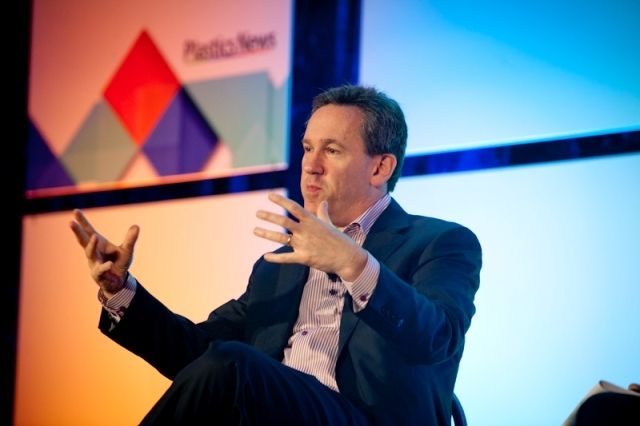
I was interviewed last year by as part of an ongoing interview series on strategy and innovation. The below is that interview [it is no longer online anywhere else]. Dan Harris is the founder of Harris Sliwoski, an international law firm with offices in Seattle, Portland, Los Angeles, Phoenix New York, Barcelona, Madrid and Beijing.
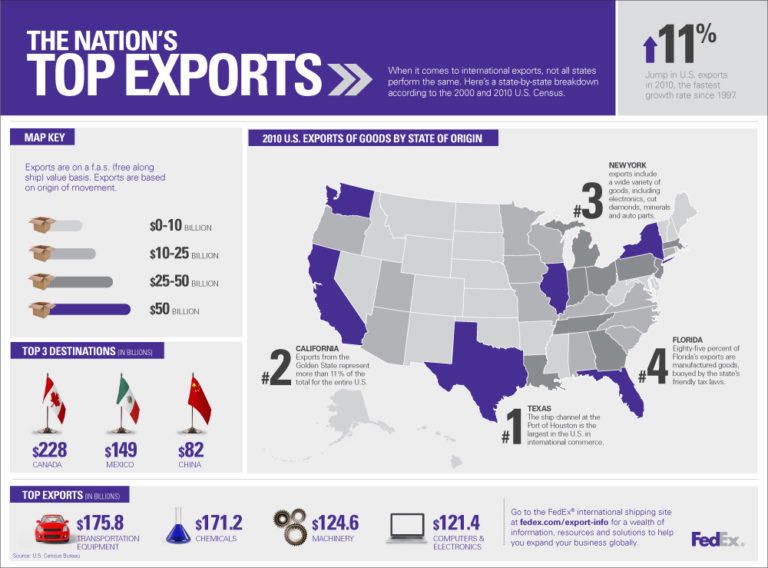
I love to talk about what I call our “accidental exporter” clients. These are companies (mostly in the United States, but Europe too) who literally lucked out into becoming Asia exporters. And by “lucked out,” I mean they were quietly going about their business when contacted out of the blue by someone in Asia (usually

China is virtually the sole supplier of rare earths to the world and it is heading towards that same position for polysilicon. The reasons are almost exclusively related to the peculiar way primary industry operates in China. What is occurring is an exchange with few benefits to either side. There are two areas of dispute