











加州大麻配送诉讼被驳回,现状维持不变
2020年11月17日,弗雷斯诺县高等法院驳回了加州24个城市提起的诉讼。该诉讼旨在推翻州政府的大麻法规——该法规允许向已禁止零售商业大麻活动的辖区内客户配送大麻。许多行业参与者和媒体将此次驳回诉讼宣称为加州大麻企业的"胜利"。
2020年11月17日,弗雷斯诺县高等法院驳回了加州24个城市提起的诉讼。该诉讼旨在推翻州政府的大麻法规——该法规允许向已禁止零售商业大麻活动的辖区内客户配送大麻。许多行业参与者和媒体将此次驳回诉讼宣称为加州大麻企业的"胜利"。
今年夏天,我曾撰文报道针对大麻公司NC3 Systems(商业名称Caliva)提起的《美国残疾人法案》第三章诉讼。简要回顾一下:《美国残疾人法案》第三章要求所有企业消除任何妨碍残疾人在线获取其产品或服务的障碍。原告

In a step towards achieving the goals of the SAFE Banking Act, California Governor Gavin Newsom approved Assembly Bill 1525, which importantly provides that banks, credit unions, and other financial servicers to cannabis businesses do not violate California law “solely by virtue of the fact that the person receiving the benefit of any of those

2020年9月24日,大麻管制局(Bureau of Cannabis Control,简称BCC)发布新闻稿,宣布已对Vertical Bliss公司(又名Kushy Punch,简称Vertical Bliss)及其他相关个人提起诉讼,要求对其从事无证商业大麻活动处以民事处罚。背景情况如下:去年11月,

The California Consumer Privacy Act (CCPA) took effect at the beginning of the year. CCPA is a massive privacy law similar in scope to the European Union’s infamous General Data Protection Regulation, and applies to many businesses (not just cannabis businesses) that are based in or even “do business” in California. I wrote about the

Yesterday, my Harris Sliwoski colleague Vince Sliwoski wrote a post entitled, “The Oregon Fires and Cannabis“. Given how fires have been ravaging California for the past few weeks, I thought I’d write on how California’s fires are affected the cannabis industry. For the past few weeks, our California cannabis attorneys have been told by a
Due to the federal illegality of cannabis, cannabis businesses don’t receive normal treatment from the federal government (with maybe one or two exceptions, like the NLRB and the 2014 FinCEN guidance for access to financial institutions). This obviously mucks up the ability of a cannabis business to operate in a consistent and reliable way, and

In an inevitable conclusion, the Drug Enforcement Administration (“DEA”) and Department of Justice (“DOJ”) won their federal court case against the California Bureau of Cannabis Control (“BCC”) pursuant to which the BCC must now comply with a recent DEA subpoena regarding alleged criminal activity by certain state-licensed distributors hailing out of (what’s probably) San Diego
California’s three cannabis agencies–the Bureau of Cannabis Control (BCC), California Department of Food and Agriculture (CDFA), and California Department of Public Health (CDPH)–aggressively regulate every aspect of the state’s licensed cannabis industry. Most of the agencies’ rules make sense or have some justifiable purpose. Today, I want to talk about some of the rules that
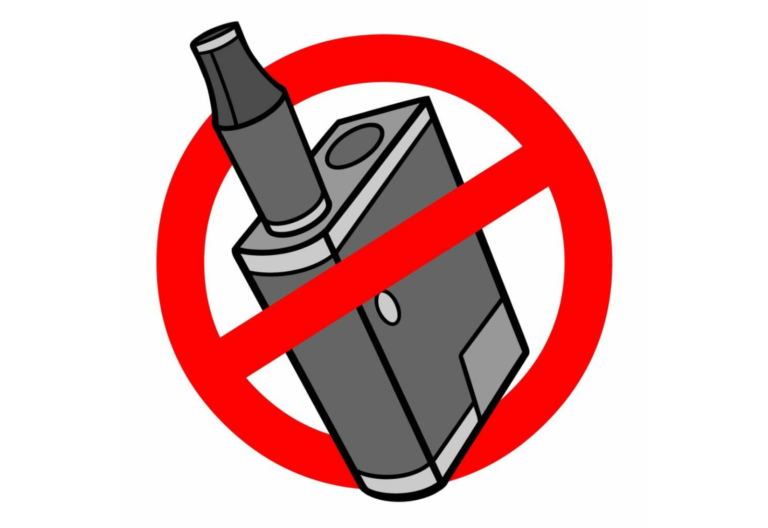
The California legislature is considering a new law (AB-1639) that, if passed, would restrict how cannabis vape products are made and sold. AB-1639 would change California law for tobacco and cannabis businesses (for the purposes of this post, we’ll just focus on the cannabis side of the law), and would effectively prohibit almost any kind