U.S. companies importing goods from Southeast Asia must beware of transshipment schemes by Chinese suppliers. Not only do these schemes mean dealing with China problems after a supposed China departure, they also give rise to serious liabilities if importing into the United States. Over the past few years, companies have had plenty of reasons to
With no explicit provisions in China's copyright law for the protection of works of applied art, courts have until now used different approaches when considering the issue. In some cases, protection has been extended based on the protections afforded to works of fine art. However, in last year's Guiding Case No. 157 (指导案例157号), the Supreme People's Court (SPC) endorsed the view that works of applied art are entitled to copyright protection in their own right.
“Where does an 800-pound gorilla sit?” “Anywhere it wants to.” In many, many companies’ supply chains, China is the 800-pound gorilla. And many companies established manufacturing and sourcing operations in and with China back when the gorilla weighed only 250 pounds, or 400. Things are different now. Recapping China Risk Factors, Which Have Been A
I recently received a message from an American lawyer interested in working abroad. In this post I share part of my reply, together with some additional comments. While this post is China-focused, most of what I say applies to other countries. It’s also important to note that much of what follows is moot at this
Since launching our Web3 practice group, we have been getting steady inquiries regarding international business and web3 crossover, including China-affiliated companies. Essentially all web3 technologies are international in nature. But unless you are personally interested and invested in cryptocurrencies or your business is heavily dependent on blockchain technology, it is likely that you are part
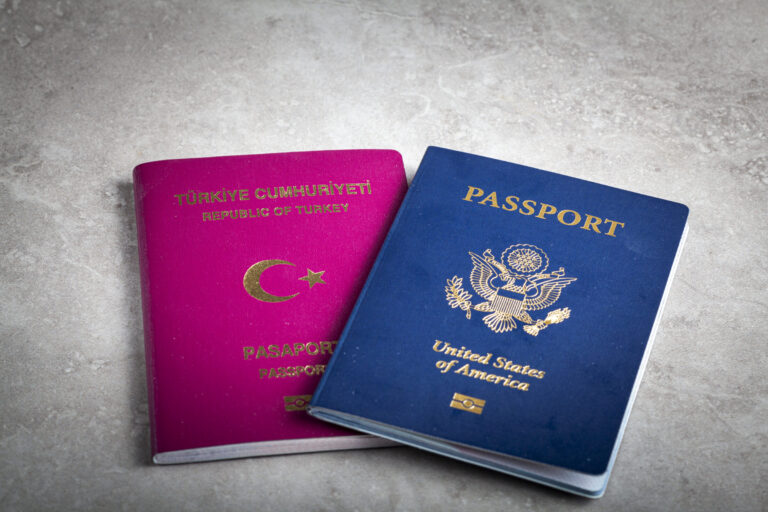
Next week, I will be a panelist at a Washington State Bar Association (WSBA) event discussing dual nationality. I’ll be sharing the platform with Dr. Dana Raigrodski and David Freeburg. Registration is free, and if you’re an attorney in Washington State, you can earn CLE credit for attending. Interestingly, the event being scheduled on St.
Sourcing product from China just got even riskier. Theses risks have never been higher and they just keep increasing. The Russian war and COVID in China are the key causes for this increased risk and both are nearly certain to get far worse.
When it comes to China IP protection, one of the greatest mistakes a brand can make is failing to register its trademarks in China. An unregistered trademark is a tempting target for trademark squatters (and other bad-faith actors, such as unscrupulous competitors), who register trademarks in the hopes of a payday from legitimate owners.
China trademark squatters are looking for victims all the time. What's more, they will take their chances on just about any trademark, regardless of how small the brand, as long as there is a chance their bet will pay off. And given that it's not very costly to register a mark in China, the chances of success don't have to be high for the gamble to make economic sense.
Scammers love operating internationally because it makes them more difficult to track and it also makes suing and collecting more complicated as well. They also seem to work better than domestic scams because the person being scammed too often thinks this is just how things are done in foreign country X because they do not actually know how things are done in foreign country X. Crossing borders increases confusion stemming from a lack of knowledge regarding language, culture, and regulation. All this combines to make international scams widely popular. In this post we discuss some of the more common scams and, most importantly, we discuss how to avoid getting scammed.
As the Chinese government continues to expand its power and get more concerned about its slowing economy and how it is viewed by its citizens, it just keeps getting tougher on foreign businesses that are not 100% abiding by its laws.
China is right now in one of its perpetual crackdowns on foreign companies doing business in China. This makes now a good time for foreign companies doing business in China or with China to determine their China risks.
The following questions are a good starting point for making that calculation.