











China Employer Rules and Regulations: A Must Have No Matter Your Size
China employer rules and regulations are necessary for small as well as large companies
China employer rules and regulations are necessary for small as well as large companies

The CCP is incredibly powerful and ruthless. Most of you already know this. If the CCP wants your IP, it will use its power and ruthlessness to get it. How does it do thatwhen you are not even located in China or you are always extremely careful about what you reveal of your IP in China? Very simple. It leans on your employees to force them to turn over your IP.

One can argue all one wants regarding the risks of Hong Kong arbitration, but the mere fact that a lot more lawyers now view Hong Kong as a riskier arbitration venue than Singapore, New York, Geneva, Paris, and London, ought to be reason enough NOT to draft your contracts with a Hong Kong arbitration provision.

This post describes how to properly effect service of process on a Chinese company or individual under the Hague Convention.

In its design and use of the National Security Law, Beijing has been quite transparent. The question for foreign businesses is whether they are willing to be as clear-eyed.
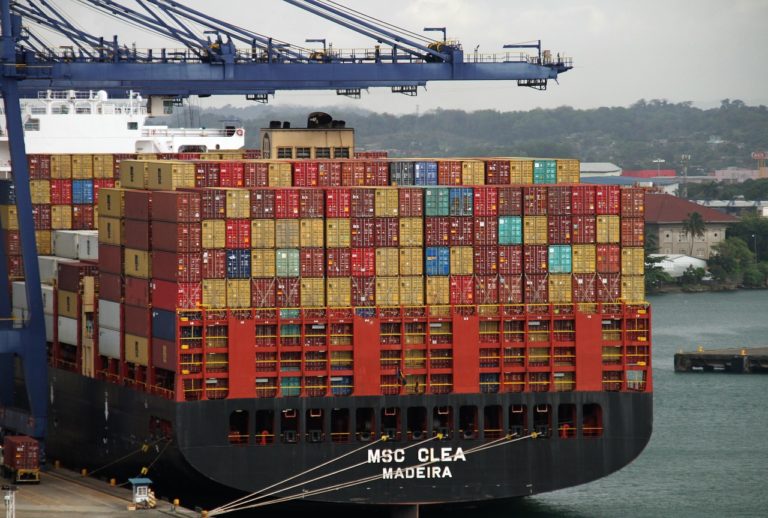
The shift away from the unipolar and free trade-oriented world of the 1990s and early 2000s to the peer competition-driven managed trade and industrial policies of today has resulted in an increasingly restrictive and protected U.S. import environment. The significantly stepped-up enforcement activity that characterizes this trend has, in turn, increased compliance risk for U.S. importers. This post will attempt to help U.S. importers mitigate some of that compliance risk through a set of up-to-date import practice tips.

For international businesses, the takeaways should be clear. First, the trend of increasing oversight of business activities by the Chinese authorities continues. As readers of this blog will have noted, this is a recurring theme in much recent Chinese legislation, even that coming out of the special administrative regions, such as Macau's new gaming law. Second, engaging in monopolistic practices in China is now a riskier endeavor, with increased penalties for companies and personal liabilities for responsible officers. When dealing with competitors and trading partners, businesses must beware the AML and give it a wide berth to any activity that could be construed as a monopolistic practice.
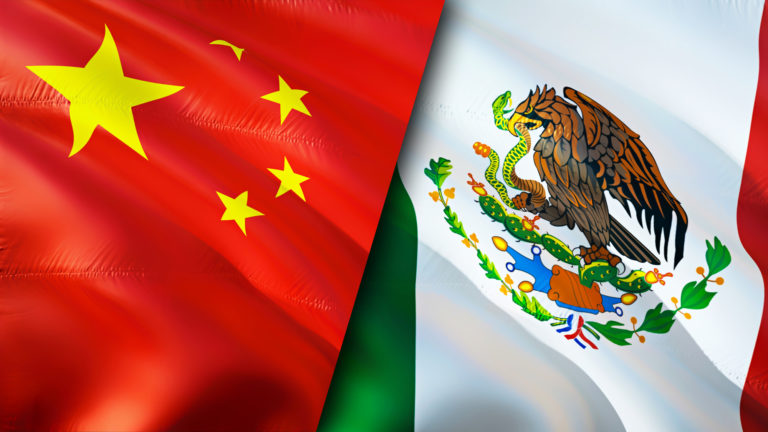
Increasing enmity between China and the West, stemming from China’s increasingly aggressive actions regarding Taiwan, China’s COVID-zero policy and a whole host of other issues facing foreign companies that do business in or with China, has caused foreign companies that do business in or with China to reassess. See Nancy Pelosi’s Visit to Taiwan is

For the past several months we have been engaged in many transactions relating to China with companies still doing business in China. These companies recognize both the business opportunities and the business risks. (Those who do not fully understand the risks are still doing their business deals without the help of a lawyer on the front end, which means we usually hear from them when something has gone wrong.)

With all that has been happening, the international manufacturing lawyers at my law firm have been getting a steady stream of phone calls and emails from companies looking to leave China and many of those companies are curious about Mexico.