Fred Rocafort

Fred dirige el departamento de propiedad intelectual Harris Sliwoskiy es el coordinador del equipo internacional del bufete. Gran parte de su trabajo consiste en ayudar a las empresas del sector del cannabis a proteger sus marcas. También colabora con emprendedores y empresas que se adentran en el ámbito de la Web3, una nueva frontera para el derecho de la propiedad intelectual. Antes de incorporarse Harris Sliwoski, Fred trabajó en el extranjero durante más de una década, tanto en el sector público como en el privado. Fred colabora habitualmente con los galardonados China Law Blog Canna Law Blog.

Fred comenzó su carrera en el extranjero como funcionario consular de Estados Unidos en Guangzhou (China), donde abogó por un trato más justo para las empresas y los ciudadanos estadounidenses en China, así como por una aplicación más estricta de los derechos de propiedad intelectual. Tras incorporarse al sector privado, Fred trabajó en un bufete de abogados de Shanghái como asesor jurídico extranjero y, más tarde, se incorporó a uno de los bufetes estadounidenses más antiguos de China, donde ayudó a empresas extranjeras a desenvolverse en el entorno jurídico chino. También dirigió el equipo jurídico de una consultora de protección de marcas con sede en Hong Kong, pasando la mayor parte de su tiempo sobre el terreno, protegiendo a los clientes frente a falsificadores y estafadores en la Gran China, el Sudeste Asiático y América Latina.

Además de su labor en materia de propiedad intelectual, como hispanohablante nativo, Fred colabora estrechamente con diferentes Harris Sliwoski en asuntos relacionados con Latinoamérica y España. Fred también asesora a empresas del sector del cannabis y a otras empresas en transacciones de importación y exportación.

Fred es un ferviente seguidor del FC Barcelona, y lo sería incluso aunque no tuviera antepasados catalanes que emigraron a Puerto Rico a mediados del siglo XIX.


trademark resolutions settlement

Litigios por infracción de marcas registradas: opciones de resolución

Introduction Since last month’s post covering international aspects of trademark infringement litigation, we’ve gotten some questions about what resolution options are available short of full-blown litigation. Obviously, trademark infringement is a significant concern for businesses and individuals seeking to protect their brands. But, sometimes, settlement or other mutual agreements to resolve these problems can make

Federal Legislation Gets the Attention, but State Laws Matter Also

La legislación federal acapara la atención, pero las leyes estatales también son importantes.

If you’re not American, U.S. politics can be confusing. And believe us, even if you are American, they’re confusing. The United States has been mired in a partisan struggle for several decades (some would say, for the past 245 years), and during the past 10 years it has been particularly difficult to pass legislation through

Webtrademarks

Marcas registradas de Web3: sé básico

With the rapid growth of the Web3 economy shaking up things across legal fields, it is not surprising that the registration of Web3 trademarks is raising novel issues. Web3 businesses should, of course, keep these issues on their radar when crafting brand strategies, but at the same time they must not neglect trademark basics. Similarity

trademarking foreign words with USPTO

Registrar palabras extranjeras como marcas comerciales: hay que tener cuidado

For some brands, trademarking foreign words or phrases might hit just the right note in terms of image. The word “bakery” might make consumers in Seattle think of their local Safeway, while boulangerie evokes flaky, buttery croissants in Paris. Yet the use of foreign words raises certain issues when it comes to registering trademarks in

Los latinos de EE. UU. como oportunidad de negocio

Los latinos estadounidenses representan una gran oportunidad para las empresas mexicanas

Over the past couple of years, we’ve written more than once (and here) that Mexico is fast-increasing in importance as a manufacturing hub, especially for businesses targeting the U.S. market. To recap, as global companies seek to diversify their supply chains, Mexico offers proximity to U.S. markets, modern infrastructure, access to ports for global distribution

Protección de marcas comerciales en el mercado global

Protección de marcas comerciales en el mercado global

Trademarks are among the most important assets of any company. Indeed, if it weren’t for trademarks, customers would be unlikely to even find a company’s products. Naturally, then, most U.S. companies want to protect these essential and valuable assets to the greatest extent possible and therefore make sure that they are registered with the United

expungement reexamination proceedings

Procedimientos de eliminación y reexamen de la USPTO

Pursuant to the Trademark Modernization Act (TMA), the United States Patent and Trademark Office (USPTO) has established expungement and reexamination proceedings for cancellation of a registration. These proceedings allow a third party to request the cancellation of a trademark registration, if the mark was never used in commerce, or if it was not used prior

Protección mundial de marcas registradas en virtud del Protocolo de Madrid

Protección mundial de marcas registradas en virtud del Protocolo de Madrid

As more U.S. companies and individuals seek to sell their goods and services in foreign markets, it is important they obtain trademark protection in these markets. One way to minimize the cost of obtaining trademark protection abroad is to make use of the Madrid System. With the UAE‘s accession to the Madrid Protocol (which together

EU China and US trademark law

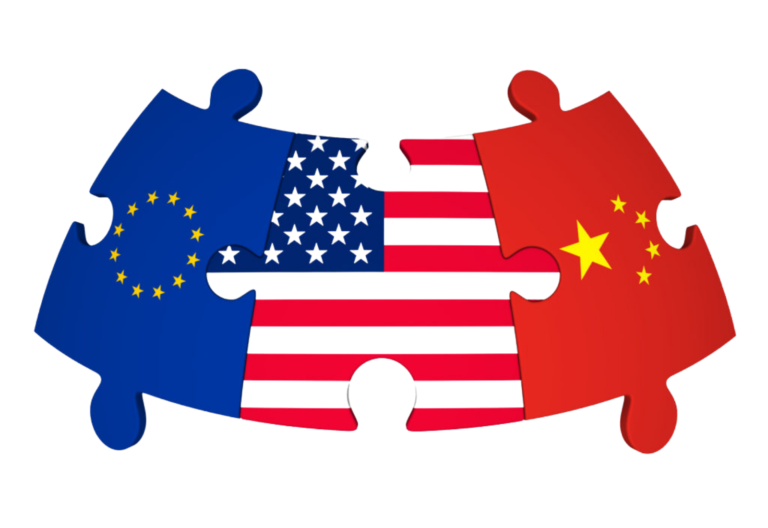
Diferencias entre los sistemas de marcas registradas de EE. UU., la UE y China

Our team handles trademark work around the world for our clients, but the jurisdictions with which we work the most are the United States, European Union, and China. While there are considerable similarities among these three jurisdictions when it comes to trademark law, in this post we look at how the U.S., E.U., and China

Propiedad Intelectual estados unidos

Una lección sobre propiedad intelectual de México para los fabricantes

A conversation with a client this week reminded me that there many different flavors of intellectual property (IP), and that many companies should look carefully at integrating intellectual property rights (IPR) protection processes into all of their interactions with clients and especially prospective clients. Imagine a company that is well-regarded in its field, contacted by