Deceptive Trademarks in China
To avoid issues, brands registering their trademarks in China should consider whether their marks may in any way be considered deceptive.
Back in the day, China strictly adhered to the first-to-file principle when it came to trademarks, meaning that whoever won the race to the registrar got the trademark, without regard to prior use of same. In the intervening years, however, China has moved in a more equitable direction, particularly in instances where the first filer is acting in bad faith.
How to handle a China trademark expungement and reexamination action.
When applying to register trademarks in China, it is not uncommon for brands to have their applications denied because of a similar trademark that has a prior right. This prior right may be an existing registration, or a pending application to register that was filed at an earlier date than yours. What to do if your brand finds itself in that situation?
A number of Chinese trademark law firms have of late been trying to drum up American clients on China trademark matters. I say this because my firm's China trademark lawyers have been getting a steady stream of emails from U.S. lawyers and companies contacted by these Chinese trademark law firms. The Chinese law firms are writing to U.S. lawyers and companies to alert them of trademark filings in China of the same trademarks owned by the company in the United States. These emails from the Chinese trademark attorneys to U.S. trademark attorneys usually go as follows:
This very long post aims to provide an overview of the challenges of manufacturing in China, as well as strategies for minimizing risks and maximizing opportunities. It outlines the administrative and regulatory requirements, process and production challenges, and specific cultural and market-specific risks.
The ten things you should be doing now to prevent (or at least minimize) the counterfeiting of your products.
Today, I look again at what is happening with COVID in China, but this time I dig deeper into the specific risks companies that get their products from China are facing.
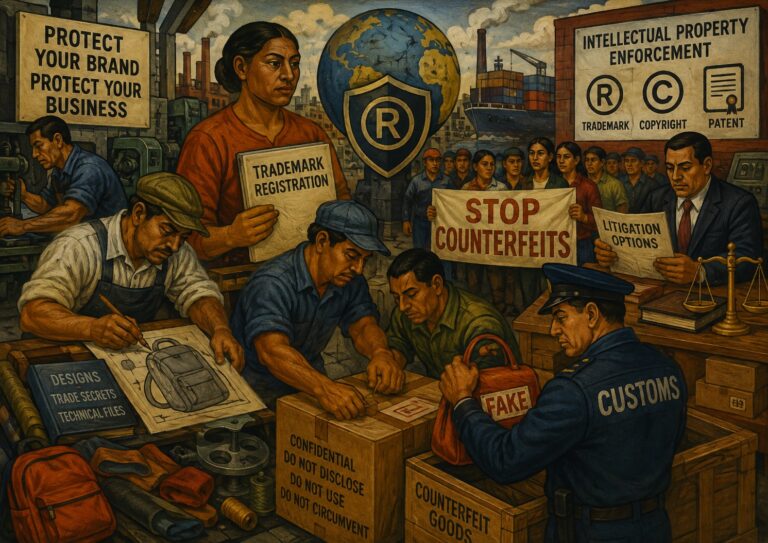
When it comes to China IP protection, one of the greatest mistakes a brand can make is failing to register its trademarks in China. An unregistered trademark is a tempting target for trademark squatters (and other bad-faith actors, such as unscrupulous competitors), who register trademarks in the hopes of a payday from legitimate owners. China trademark squatters are looking for victims all the time. What's more, they will take their chances on just about any trademark, regardless of how small the brand, as long as there is a chance their bet will pay off. And given that it's not very costly to register a mark in China, the chances of success don't have to be high for the gamble to make economic sense.
This post sets out the four most important steps you should take to protect your IP from China. These steps will minimize the likelihood of you having a China IP problem and maximize your chances of prevailing should such a problem actually arise.