







California’s proposed group tagging rules: what cultivators should know
California’s Department of Cannabis Control (DCC) is proposing to change how cultivators identify and track cannabis plants. The goal is to reduce tagging costs and environmental waste while preserving the state’s ability to reconcile plants on the premises with inventory in its track-and-trace system.
The proposal centers on group-based identification. But fewer physical tags would not mean fewer plants to track. The proposed changes address the relationship between plant groups, tag assignments, movements, and electronic reporting.
This article discusses the modified proposal, which at the time of posting is not an operative final rule.
What group tagging would change
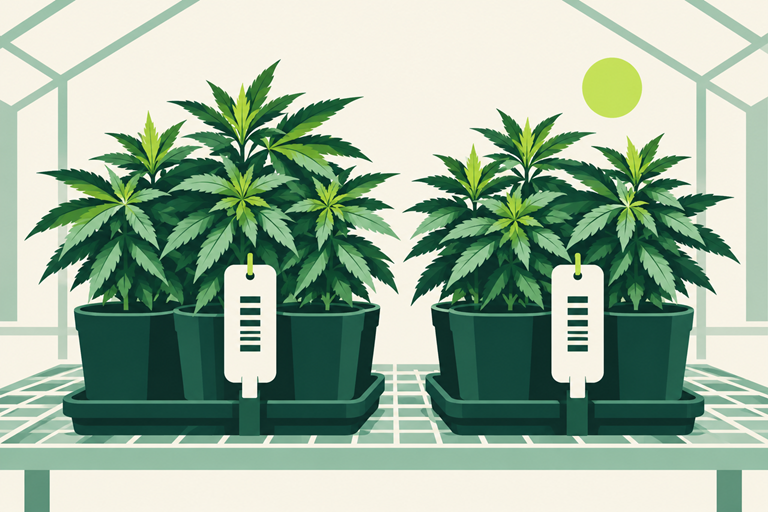
The proposal would expand group-based plant identification, reducing reliance on individual physical tags for plants covered by its grouping provisions. DCC describes the change as a way to reduce economic and environmental burdens without sacrificing inventory oversight.
The important distinction is between identifying a group and tracking the plants within that group. Group tagging would change the identification method; it would not eliminate the need for accurate plant quantities and track-and-trace records.
The proposal, therefore, should not be read as permission to treat a tagged cultivation area as an undifferentiated inventory. The relationship between the identifier, the plants it represents, and their recorded location would remain central to compliance.
Immature plants and group changes
The immature-plant provisions need to be understood alongside the cultivation definitions. Under current regulations, an immature plant is defined by specified development thresholds and the absence of flowering. The cultivation definition is distinct from the definition applicable to immature plants sold at retail.
For immature plants, the proposal concerns how groups are identified and how changes involving those plants are reflected in track and trace. The modified text addresses specified movements and new tag assignments, making those events important points in the tracking process.
A group identifier is not a permanent description of an unchanging population. Plants may leave a group, enter another cultivation area, or progress to a different stage. The tracking question is what the identifier represents after that event, not simply whether a tag is still present.
Flowering plants and canopy
The proposal also addresses identification as plants move through cultivation. Those changes should be distinguished from the rules governing flowering plants and designated canopy areas.
Under current regulations, a mature plant is a flowering plant, and flowering plants must be located within designated canopy areas. Current regulations also address plants that begin flowering outside the canopy, requiring tagging, movement into a designated canopy area, and reporting under the applicable provisions.
The key distinction is that tagging, location, and reporting are separate compliance considerations. A change to the identification method should not be treated as an expansion of authorized canopy or permission to flower plants elsewhere.
Movement within a licensed premises also differs from transport between licensed premises. Current regulations define transport as physical movement from one licensed premises to another; common ownership does not erase that distinction.
The three-calendar-day deadline
One significant feature of the modified proposal is a requirement to enter specified movements and new tag assignments within three calendar days. That reporting window is tied to the activities identified in the proposed text, rather than every track-and-trace transaction.
It should not be described as a general three-day reporting allowance. Current regulations separately require numerous activities to be entered into track-and-trace within 24 hours, including receipt, destruction or disposal, and sale or donation.
The distinction between a physical action and its electronic reporting also matters. A deadline for entering a movement or tag assignment does not, by itself, establish when the underlying movement or tagging must occur. Those obligations need to be read separately.
Counts and records still matter
DCC’s stated objective is to preserve inspectors’ ability to compare onsite plant quantities with track-and-trace inventory. Group tagging would not replace that reconciliation.
Existing reconciliation requirements provide additional context. The DCC currently requires track-and-trace review at least once every 30 calendar days, including reconciliation of on-hand inventory and review of authorized users. Discrepancies require an audit, with notification to DCC when the discrepancy meets the applicable significant-discrepancy standard.
That periodic review is not a replacement for timely transaction reporting. Likewise, a revised tagging method does not eliminate existing record-retention obligations, which generally requires specified business records to be maintained for at least seven years.
Operational recommendations
Cultivators should prepare a short transition plan: define group boundaries, assign responsibility for counts and movements, and create an event-specific reporting chart. Keep the recommendations practical; employees should know which plants a tag represents, what triggers an update, and who makes the entry.
Before implementing changes, confirm the final approved language and effective date. The opportunity is to spend less time attaching tags, not more time reconstructing where the plants went.
____________________________________________________________
For broader context on cannabis-business due diligence and operational risk, see these related Canna Law Blog posts: