



Harris Sliwoski Secures Revocation of CBP Forced Labor Order
In 2020, U.S. Customs and Border Protection (CBP) revoked a Withhold Release Order (WRO) issued against one of our clients after CBP received an allegation falsely claiming the company was using forced labor. Fred Rocafort, working with Brazilian attorney Rodrigo Guedes Nunes, spent close to a year showing CBP that the allegations were unfounded. That effort included extensive advocacy and three independent audits. CBP ultimately agreed and revoked the WRO.
At the time, the revocation meant there was not a single active WRO against a suspected user of forced labor in South America. That did not mean the region was free of forced labor, but it stood in sharp contrast to the abuses taking place in China, particularly those involving Uyghurs and other minorities from Xinjiang.
What a Withhold Release Order Means
Section 307 of the Tariff Act of 1930 prohibits the importation into the United States of merchandise mined, produced, or manufactured wholly or in part through forced labor. CBP does not need conclusive proof of forced labor before issuing a WRO. Under CBP's forced-labor guidance, it can issue one when the available information reasonably, but not conclusively, indicates that goods produced with forced labor are being, or are likely to be, imported into the United States.
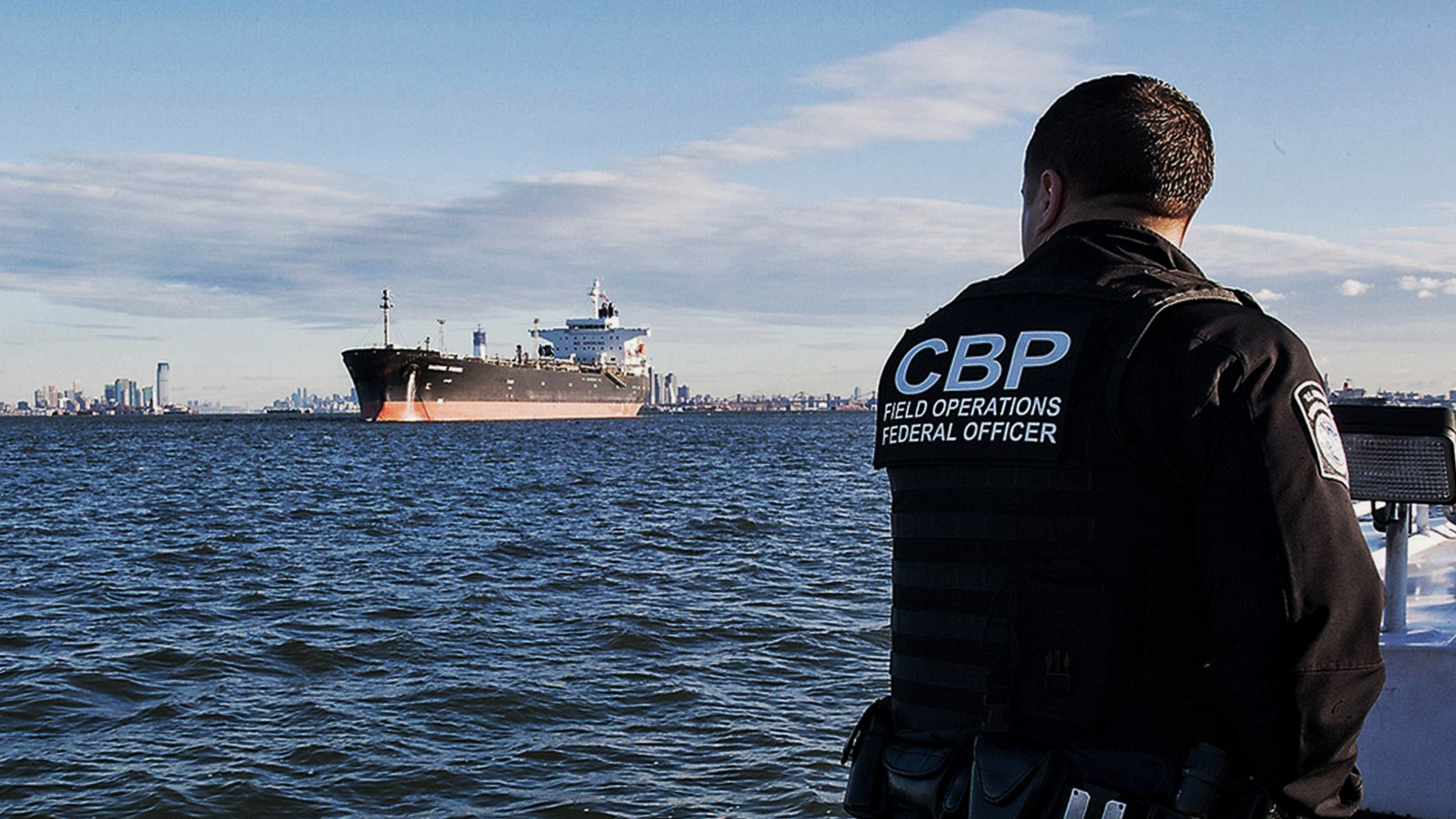
That matters because once a WRO is in place, CBP can detain covered merchandise at U.S. ports. For a foreign producer, that can shut off access to the U.S. market. For a U.S. importer, it can mean that merchandise it has ordered and paid for suddenly cannot enter the country. Our client's experience shows how serious those consequences can be even when the allegation itself is wrong.
Our client lost access to a critical U.S. market for more than a year. Its U.S. customers also suffered because their supply of a unique product was sharply reduced. Clearing the company's name required much more than denying the accusation. We had to put forward enough evidence to persuade CBP to reverse an enforcement action it had already taken. CBP does not lift these orders casually. Companies facing forced-labor scrutiny need records, credible third-party evidence, and a clear account of how their supply chains actually work.
Forced Labor Enforcement Is Far More Important Today
The forced-labor enforcement landscape has changed considerably since we handled this case. Congress enacted the Uyghur Forced Labor Prevention Act (UFLPA) in 2021, and its principal import provisions took effect in June 2022. The UFLPA creates a rebuttable presumption that goods mined, produced, or manufactured wholly or in part in Xinjiang, or by an entity on the UFLPA Entity List, are prohibited from entering the United States under Section 307.
For covered merchandise, the burden shifts heavily to the importer. It is not enough to say there is no proof of forced labor. The importer needs evidence showing that the goods are admissible. This is why forced-labor compliance has become a supply-chain issue as much as an import issue. A U.S. company can buy finished goods from a factory outside Xinjiang and still face problems if raw materials, components, or upstream suppliers create exposure.
A supplier saying, "We don't use forced labor," is no longer enough.
What U.S. Importers Should Learn from This Case
The first lesson is straightforward: do not source from companies that use forced labor.
The second is just as important. You need to know where your products and significant inputs come from, and you need records that can prove it.
A company that waits until its merchandise is detained to start mapping its supply chain is already in trouble. Importers should know who is making their products, where key raw materials and components originate, and what documentation exists to verify that information. Their contracts with foreign suppliers should also give them appropriate access to records and, where warranted, audit rights.
Documentation matters. Purchase orders, bills of materials, manufacturing records, shipping documents, supplier certifications, worker records, and audit reports can all become important once CBP starts asking questions.
Independent audits can help. They helped in our case. But an audit is only as useful as the work behind it. Who conducted it, what they examined, how they reached their conclusions, and whether those conclusions are supported by underlying evidence all matter.
Companies should also decide in advance who will take charge if CBP raises a forced-labor issue. Customs personnel, sourcing teams, management, suppliers, customs brokers, and outside counsel should not be figuring out roles for the first time while merchandise sits at a U.S. port.
Our client's case ended well. The allegation was false, we proved it, and CBP revoked the WRO. But getting there took close to a year, three independent audits, and sustained legal and factual work. That is the point worth remembering. A false forced-labor allegation can still disrupt a supply chain, cost a company its market, and hurt its customers. Customs and forced-labor compliance matters, but so does being able to prove it when CBP comes knocking.