


Two deadlines, one market: California hemp in the last weeks of 2026
California hemp businesses have spent the past year adjusting to Assembly Bill 8. Now a federal deadline is almost here.
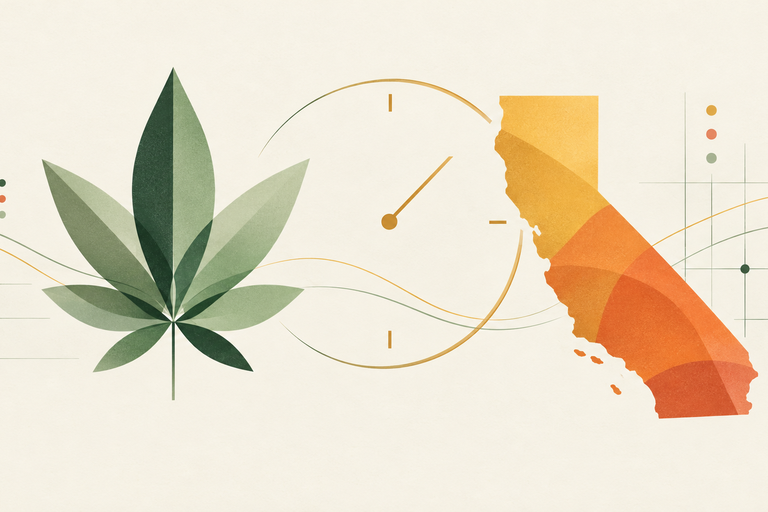
On November 12, 2026, the federal ban on synthetic and converted cannabinoids takes effect. On December 11, 2026, the rest of the new federal hemp definition kicks in.
For many California operators, the federal change will feel familiar. California got there first.
But not everyone is in the clear. Here is where things stand, who is affected, and what to do now.
We've written about California hemp many times over the years, starting with AB 45 and continuing through the 2024 crackdown on hemp THC beverages. Much of that is now history. This post brings it up to date.
Quick recap: what AB 8 did
Governor Newsom signed AB 8 on October 2, 2025. Most of it took effect January 1, 2026.
AB 8 did three big things.
First, it made the 2024 emergency rules permanent. In September 2024, CDPH barred detectable THC in hemp foods, beverages, and supplements. It also set a 21+ purchase age and a five-serving package cap. AB 8 put the core of that approach into statute.
Second, it banned whole product categories. Under new Business and Professions Code Section 26070.2, no one may sell, offer, or provide any of the following in California:
- Alcoholic beverages with cannabinoids
- Inhalable products with hemp-derived THC
- Hemp flower, or pre-rolls with hemp flower or hemp-derived cannabinoids
- Products with synthetic cannabinoids
- Cannabis products made outside the licensed market
Third, it set up a path for hemp into the cannabis system. Starting January 1, 2028, intoxicating hemp must be manufactured, tested, taxed, and sold like cannabis. After that date, only DCC-licensed retailers can sell it to Californians.
The rules for hemp food, drinks, and supplements
Hemp extract used in food, beverages, or dietary supplements must be CBD or CBN isolate. The isolate must be more than 99% pure and contain no THC or synthetic cannabinoids.
That is a high bar. Full-spectrum and broad-spectrum extracts are out for ingestible products.
Manufacturers still need CDPH's Industrial Hemp Enrollment and Oversight authorization. Products still need independent lab testing for the same contaminants DCC requires for cannabis.
Out-of-state brands are covered too. Manufacturers of hemp foods and beverages must register with CDPH before selling into California.
One 2026 tweak is worth noting. AB 2250 treats CBN isolate the same as CBD isolate: starting in 2028, neither counts as a "cannabis concentrate."
AB8 enforcement is real
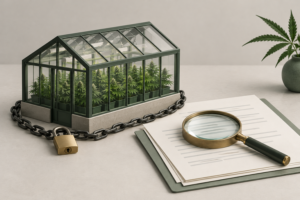
AB 8 gave state and local agencies new tools. Those include product seizures, fines, and a legal presumption that any product containing THC is a cannabis product. The business can rebut that presumption, but the burden is on the business.
Tobacco retailers face specific penalties. A shop that sells cigarettes or tobacco may not store or sell cannabis products, or products presumed to be cannabis products, at the same site. Penalties escalate from $1,000 to $10,000 plus license revocation for repeat violations.
Unlicensed commercial cannabis activity carries civil penalties of up to three times the license fee per violation, with each day counted separately. Landlords who knowingly make property available face up to $10,000 per violation, per day.
The state has been active. Since September 2024, ABC agents have visited more than 14,700 businesses and pulled more than 7,200 illegal products.
DCC is staffing up. Its 2026-27 budget request seeks 22 permanent positions for hemp enforcement, synthetic-cannabinoid testing, and online-sales investigations.
Now add the federal deadline
In November 2025, Congress rewrote the federal definition of hemp in Section 781 of Pub. L. No. 119-37. The change was set to take effect November 12, 2026.
A September 2026 funding bill pushed most of it back to December 11, 2026. The ban on synthetic and converted cannabinoids still takes effect November 12.
Here is what changes federally:
- The 0.3% threshold now covers total THC, not just delta-9.
- Finished hemp products with more than 0.4 milligrams of total THC per container fall outside the hemp definition.
- Products outside the definition are "marijuana" under the Controlled Substances Act.
- Synthetic cannabinoids and cannabinoids made outside the plant are excluded.
Another extension is possible. As we noted last month, there has been talk of pushing the date to March. A bipartisan Senate bill would also let states opt out.
Don't plan around an extension. Plan around December 11.
What the federal change means in California
For most ingestible hemp products, not much. California already requires more than 99% pure CBD or CBN isolate with no THC. A product that meets California's rules should, in most cases, also fall well under the federal per-container limit. Confirm it with your certificates of analysis.
For topicals and cosmetics, it could matter a lot. California allows topicals with up to 0.3% total THC by dry weight. Federal law caps total THC at 0.4 milligrams per container. A larger jar of a full-spectrum balm can comply with California's percentage limit and still exceed the federal per-container limit. Run the math on every SKU.
For the "made here, sold elsewhere" model, the door is closing. AB 8 lets California businesses manufacture inhalable hemp products solely for sale in other states. After December 11, many of those products will be federally controlled substances, wherever they are sold. The California carve-out doesn't change federal law.
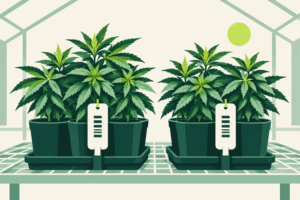
For growers, the market keeps shrinking. California had 558 registered hemp growers in 2020. By October 2025, it had just 68. The federal total-THC standard adds more risk at harvest, since THCA now counts.
For cannabis licensees, the 2028 picture is still taking shape. Until January 1, 2028, licensees can't possess, transport, manufacture, or sell industrial hemp on licensed premises. Licensed labs are the exception and may test it. Manufacturers may use only cannabinoids sourced from licensed cultivators.
Starting in 2028, licensed distributors with a new hemp endorsement will be able to bring hemp plant material into the supply chain. There, it will be treated like cannabis: tracked, tested, packaged, and taxed. DCC expects to develop the implementing rules in 2026-27 and finish them in 2027-28.
Once hemp-derived THC is inside California's licensed cannabis market, it sits in the same federal posture as any other state-legal cannabis. That's the point of AB 8: one set of rules for intoxicating products, whatever plant they came from.
The bottom line
California's hemp rules have been tighter than federal law since 2024. The December 11 federal deadline mostly catches federal law up to where California already is.
The exceptions are where California still allows something federal law won't. That means topicals with trace THC, products made here for sale elsewhere, and hemp crops near the THC line.
If your business falls in one of those gaps, the next five weeks matter. Review your products, your paperwork, and your contracts now.