











如何离开中国并活下来
毫不意外,我们的中国律师团队正目睹大量外资企业试图削减或切断在华业务联系。许多企业正寻求终止与中方供应商的合作关系,并将生产转移至其他地区(目前主要流向越南、台湾、波兰、泰国、墨西哥、巴西、印度和马来西亚)。前些天我
毫不意外,我们的中国律师团队正目睹大量外资企业试图削减或切断在华业务联系。许多企业正寻求终止与中方供应商的合作关系,并将生产转移至其他地区(目前主要流向越南、台湾、波兰、泰国、墨西哥、巴西、印度和马来西亚)。前些天我
随着近期关税攻势的加剧,我们的国际制造业律师正越来越多地为中国以外的亚洲国家起草制造合同。仅在过去几周内,我们就为越南、马来西亚、印度尼西亚、台湾和印度起草了制造合同。同时,我们与墨西哥的合同数量也明显增加。其中一个问题是——

Everything China comes in waves and China trademark “theft” is no different. When we first started this blog back in 2006, we would get a call just about every week from someone wanting to sue a Chinese company blocking the company’s product from leaving China. We hated those calls because most of the time our
China manufacturing contracts are very different from Western manufacturing contracts, for reasons which stem from differences in laws or differences in economics. This means our China manufacturing lawyers often must explain why they are doing something in China manufacturing so different from the way the client “always does it” in the West. One of the

Like so many other U.S. industries, the U.S. vaping industry is now in the crosshairs of a 25% tariff on products imported from China. The first two waves of proposed tariffs against China covered about $50 billion worth of Chinese products, but did not include vaping products. After China retaliated and proposed its own equivalent

A lawyer friend of mine emailed me a link the other day that had been sent to him by one of his clients. The link was to an article written nearly two years ago, China Supplier Vetting, Part 1: Background Checks, and he wanted my opinion on it. I responded by telling my friend that

My law firm writes more China NNN Agreements than any other contract. We have been drafting 5-15 of these a month for more than 15 years. These are basic and important agreements no matter what your industry. We write China NNN Agreements to protect against disclosure, competition, and circumvention. For more on what goes into
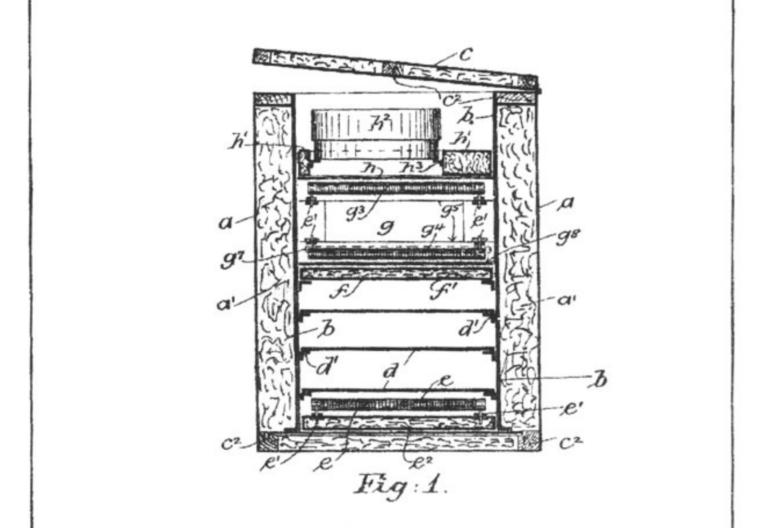
Our China IP lawyers have lately been seeing a steady increase in China design patent filings, as Western companies increasingly come to understand the need to be proactive in protecting their IP from China. We file most design patents to protect product designs, but some are filed for defensive purposes. The defensive design patents are
When working on complex contract manufacturing agreements, most of our clients tell us their main goal is to protect their intellectual property. This is particularly true for designers of start-up products where much of of their IP consists of trade secrets and know-how that require a formal agreement with the manufacturer. However, as we work

Chinese manufacturers are notorious for making and sending bad products. Not surprisingly, foreign buyers of these bad products often refuse to pay their Chinese factory anything more for those products. This unpaid amount is often substantial. The foreign buyer then moves on to a new factory. This new factory is often located in the same