






A white bag labeled "L-Lysine HCl Feed Grade, China, Net Weight: 25 kg, Made in China, UN 1479.

New AD/CVD Petitions: L-Lysine from China

Antidumping and Countervailing Duty Petitions for L-Lysine from China Introduction On May 28, 2025, new antidumping (AD) and countervailing duty (CVD) petitions were filed against imports of L-lysine from China. The petitions were filed by the Lysine Fair Trade Coalition and its individual members: Archer Daniels Midland Company, CJ Bio America, Inc., and Evonik Corporation.

A silhouette of a person faces a large metal mold, with a world map in the background and the title "The Guide to Molds and Tooling in International Manufacturing" above.

THE Guide to Molds and Tooling in International Manufacturing

The Guide to Molds and Tooling in International Manufacturing A manufacturer our law firm recently represented paid $200,000 to retrieve molds they had purchased for just $80,000 eight months earlier. The reason? A lack of a formal tooling agreement. These disputes aren’t rare—in fact, they’re becoming increasingly common. With tariffs now exceeding 50% on many

A graphic shows a shipping container, a tag reading "54% tariff," and a red arrow with a China flag, discussing the real cost of China tariffs in 2025 beyond the stated 30%.

Beyond the 30%: The Real China Tariffs RIGHT NOW

Beyond the 30%: The Real China Tariffs RIGHT NOW Think the China tariff picture is a simple 30%? Think again. The reality for U.S. businesses navigating the complexities of importing reveals a far more expensive and tangled web of duties, often surging beyond 50% While the headlines tout a 30% flat rate as relief, this

The Hidden Risks of Unpaid Tariffs Under DDP

Buyer Beware: The Hidden Risks of Unpaid Tariffs Under DDP

The Hidden Risks of Unpaid Tariffs Under DDP Many U.S. companies assume that importing under Delivered Duty Paid (DDP) terms shields them from tariffs. It doesn’t. At our law firm, we’re seeing a sharp rise in cases where buyers thought their overseas seller would handle all duties—only to end up facing unexpected customs bills, seized

How to use your Manufacturing Agreement to reduce your United States tariffs

How to Use Your Manufacturing Contract to REDUCE Your Tariffs

How to structure your international manufacturing agreements the right way can legally lower your U.S. tariff obligations—sometimes by millions. This post breaks down how to do it, what mistakes to avoid, and includes a step-by-step compliance checklist.

Vietnam international lawyers

China vs. Vietnam for Manufacturing

China vs. Vietnam for Manufacturing To say the global manufacturing landscape is in flux would be an understatement. What was once a relatively straightforward comparison of labor costs has evolved into a far more nuanced and strategic decision-making process. Geopolitical tensions, shifting trade and tariff regimes, technological disruption, environmental concerns, and changing consumer expectations have

U.S. Import Compliance: A Guide to CBP Form 28 and Form 29

U.S. Import Compliance: A Guide to CBP Form 28 and Form 29

U.S. Import Compliance: Understanding CBP Form 28 and Form 29 Companies importing goods into the United States can sometimes find themselves facing inquiries from U.S. Customs and Border Protection (“CBP”). These inquiries typically come in the form of a CBP Form 28 – Request for Information or a CBP Form 29 – Notice of Action,

Methylene Diphenyl-Diisocyanate (MDI) United States custom case and lawyers

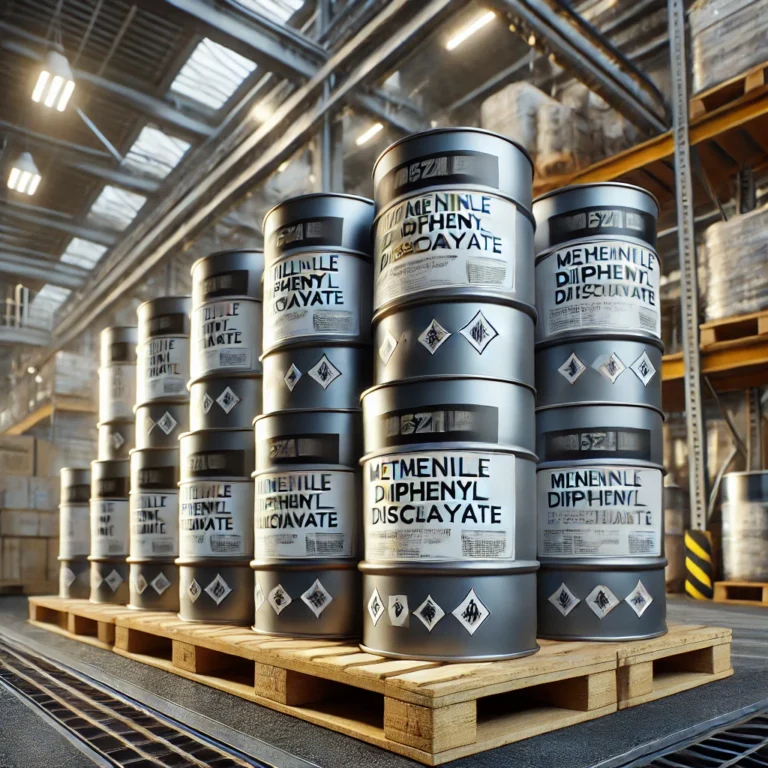
New AD/CVD Petitions: Methylene Diphenyl Diisocyanate (MDI) from China

Methylene Diphenyl Diisocyanate (MDI) from China On February 12, 2025, new antidumping (AD) and countervailing duty (CVD) petitions were filed against imports of methylene diphenyl diisocyanate (“MDI”) from China. MDI is a class of isocyanates derived from aniline.  MDI is a versatile chemical intermediate that is used as an input in a wide range of

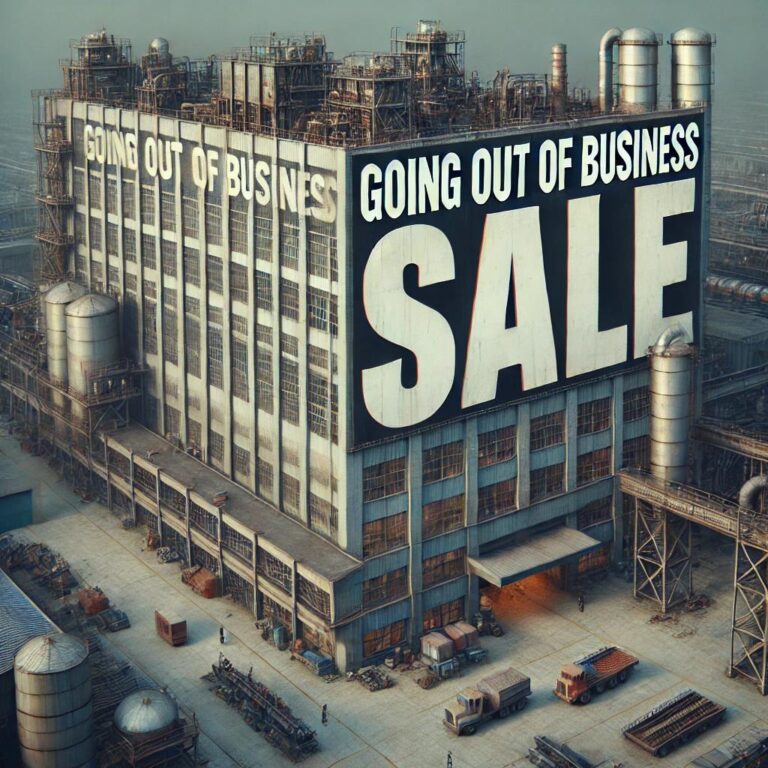
China Factory with a "Going Out of Business Sale" sign displayed prominently, indicating how Chinese factories are in trouble and reduc9ing their product pricing

The Growing Threat of Chinese Factory Competition, and How to Fight Back

Protecting Your Business From YOUR China Factory Chinese factories are increasingly selling products directly to consumers, especially in industries hit hard by tariffs, tariff threats, and shifting geopolitical tensions. As manufacturers lose foreign buyers due to global supply chain changes, many are seizing the chance to create and market their own products—often in direct competition

Subscribe To Our Blog

Explore the latest legal news and insight regarding China, cannabis, international law, immigration, dispute resolution and Web3.