











China Litigation for Foreign Companies: It's a Good Thing
The Wall Street Journal wrote how China is increasingly becoming the venue of choice for foreign company patent litigation. That's right. China.
The Wall Street Journal wrote how China is increasingly becoming the venue of choice for foreign company patent litigation. That's right. China.
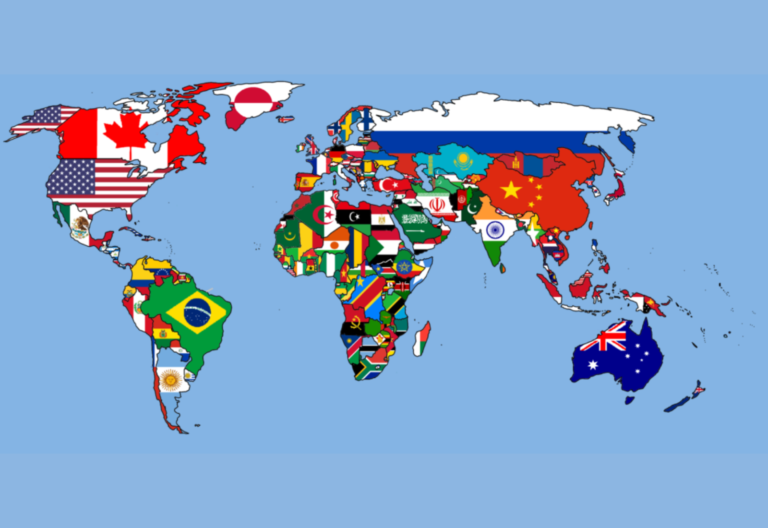
One common mistake U.S. companies make is failing to understand that patents and trademarks are territorial.* That is, these forms of intellectual property provide protection only in the country in which they were registered. If a U.S. company has not registered its patents and trademarks in China, a Chinese company is free to make use
Chinese factories are notorious for making their own-label products that bear a strong resemblance to the products they make for their foreign company manufacturing companies. And here's the thing: it is perfectly legal for your Chinese factory to copy your products unless you have a contract forbidding it. And it is also perfectly legal for them to use your brand name in China (or even to register it as their own trademark) if you have not registered your brand name as a China trademark.

Years ago, I spoke at a major technology event on how to protect IP from China. I rarely use notes when I give a speech, which and I often riff on various things. At some point during that speech, I mentioned how technology companies tended to get into more trouble when it comes to China

China has become adept at spotting and hunting down foreign companies doing business in China without a required Chinese entity. What exactly constitutes doing business in China at a level requiring a Chinese corporate entity ? That is far too complicated to answer in a blog post, but suffice it to say that the Chinese
My good friend and trademark lawyer extraordinaire, Mike Atkins, recently wrote Basics of Trademark Protection in Plain English on U.S. trademarks. Below I take what Mike said, and explain how it applies to China or not. Mike's portion is in regular font and my portion is in italics. A. Trademark Enforcement Principles The main way

Licensing your technology to a company in China Licensing your technology to another company is fraught with risks. Licensing your technology to a company in China has its own additional challenges. The first thing you should do before licensing your technology to a Chinese company is to make sure you may legally do so under
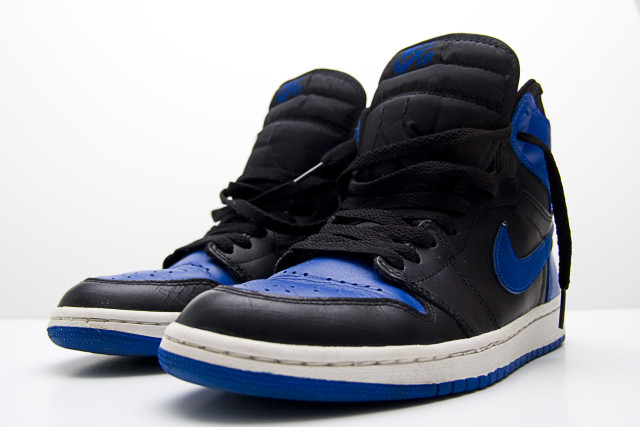
Michael Jordan just lost another China lawsuit in his ongoing effort to combat alleged trademark infringement in China. This lose highlights a point that must be familiar to even the most casual reader of this blog: Michael Jordan just lost another China lawsuit in his ongoing effort to combat alleged trademark infringement. This case, like

China joined WIPO (the World Intellectual Property Organization) in 1980 and it introduced its first copyright law in 1990. China adopted modern intellectual property laws as a condition of joining the WTO (the World Trade Organization) in 2001. 2001 China intellectual property laws amendments The 2001 amendments were the first round of modernization of China's
We have written a number of times about the need to register intellectual property in China with the appropriate authorities. And we usually put particular emphasis on registering trademarks in China, because doing so is an easy, obvious, and relatively economical first step in IP protection. But for those selling or manufacturing products in China,