








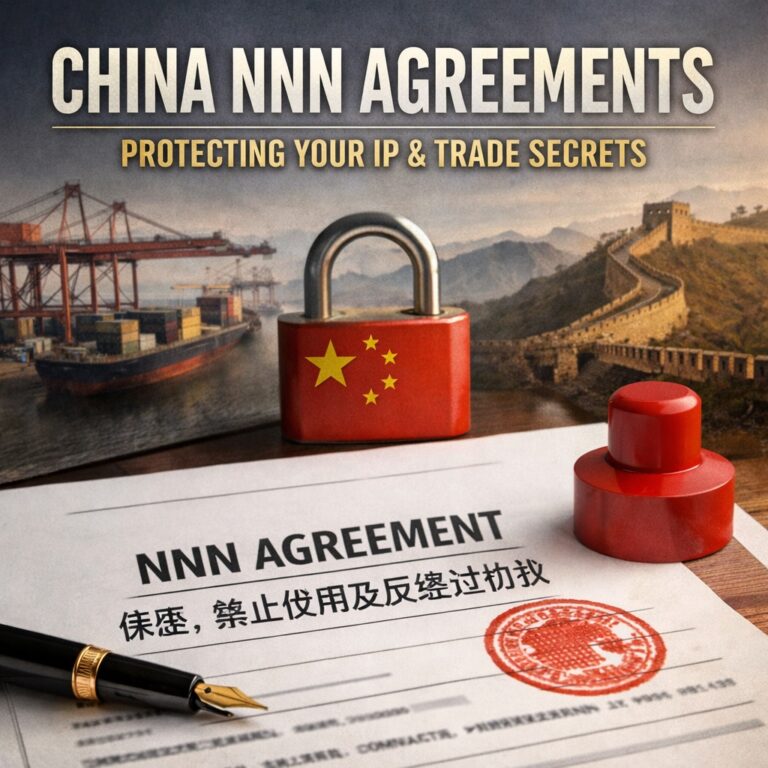
China NNN Agreements: The Hard Truth
China NNN Agreements work when they deter Chinese companies from misusing your IP. Here is when they help, when they do not, and how to draft one that will actually work.
China NNN Agreements work when they deter Chinese companies from misusing your IP. Here is when they help, when they do not, and how to draft one that will actually work.

Global IP Protection Strategy FAQ My blog post yesterday, Global IP Protection: Why You Need a Strategy, Not Just an Application generated a lot of questions. In an attempt to answer those we received (and those we anticipate receiving), I give you the below FAQs. If you are manufacturing abroad, expanding internationally, or selling through

Global IP Protection Strategy When brands think about protecting their intellectual property abroad, they often start with the most visible tasks: filing a trademark application, registering a patent, or sending a takedown notice to deal with a specific infringement. Those steps matter. On their own, though, they are tactical steps. They can be necessary, but
Beyond China and Why You Need a Central Trademark/IP Hub What we’re seeing as companies diversify beyond China In recent years, a large chunk of our work has been helping long-term and new China clients shift manufacturing and supply chains to other parts of Asia, as well as to Latin America and Europe. As they
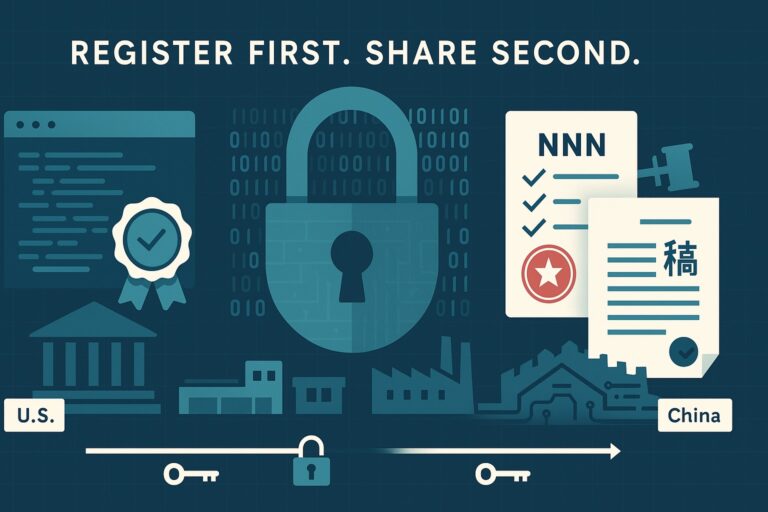
Why Your China Software IP Strategy Is Probably Wrong (And How to Fix It) It started as a routine partnership. A fast-growing American software company needed a trusted partner in Shenzhen to manufacture its new IoT device. Eighteen months into the relationship, an email arrived with a link to a demo at a major tech
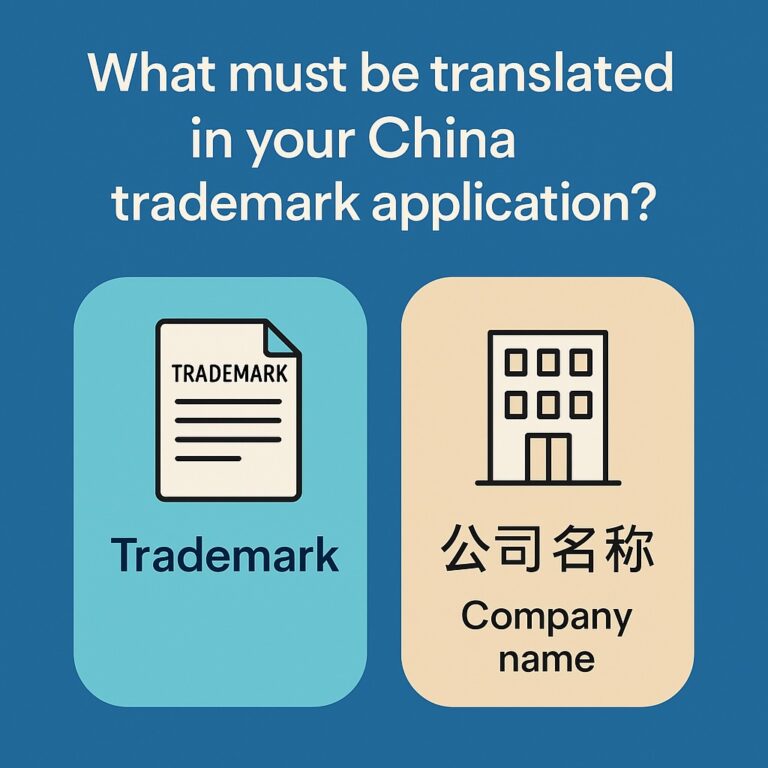
China Trademark Company Names: What Foreign Brands Must Know Before Filing Why a Chinese Name is Required for Your Trademark Filing in China If you file a trademark in China, you must provide a Chinese-language version of your company name for the application. China’s trademark registry maintains official records in Chinese, so the applicant’s name

China is a first-to-file trademark country, but filing first does not always end the analysis. This guide explains how trademark squatting affects companies that manufacture, source, sell, license, exhibit, or plan to enter China; what changes under China’s 2026 Trademark Law; and what to do if someone else has already filed your mark.
Inside the Trademark Mills: How Foreign Filing Abuses Are Undermining the U.S. Trademark System Earlier today, I received an unsolicited email from a Chinese IP firm—or someone claiming to be one. It's similar to other messages I’ve received over the years from so-called "firms." It read as follows: We are __________ Intellectual Property Co., Ltd.,
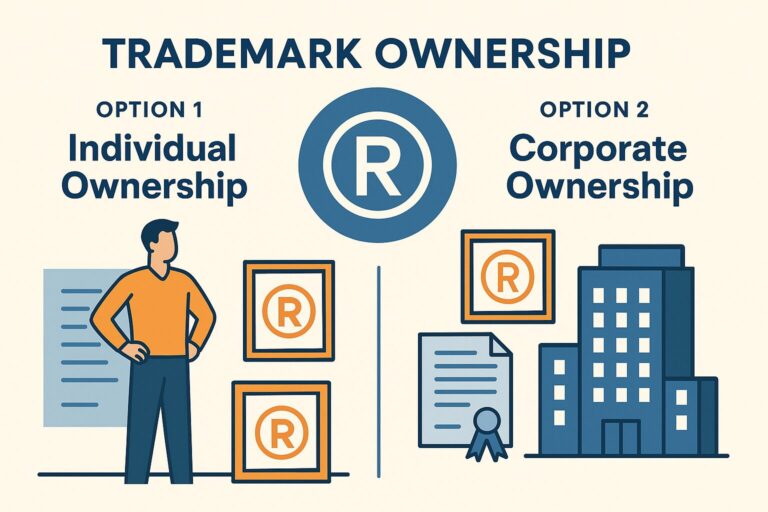
Who Should Own Your Trademarks? When launching a business, registering a trademark in the countries where you operate (including where you manufacture) is often, and wisely, one of the first steps you as an entrepreneur will take to protect your brand. But a deceptively simple question quickly arises: Who should own the trademark? You as
Learn when to use the Madrid System for international trademark registration and when to avoid it. Expert guidance on global trademark protection.