










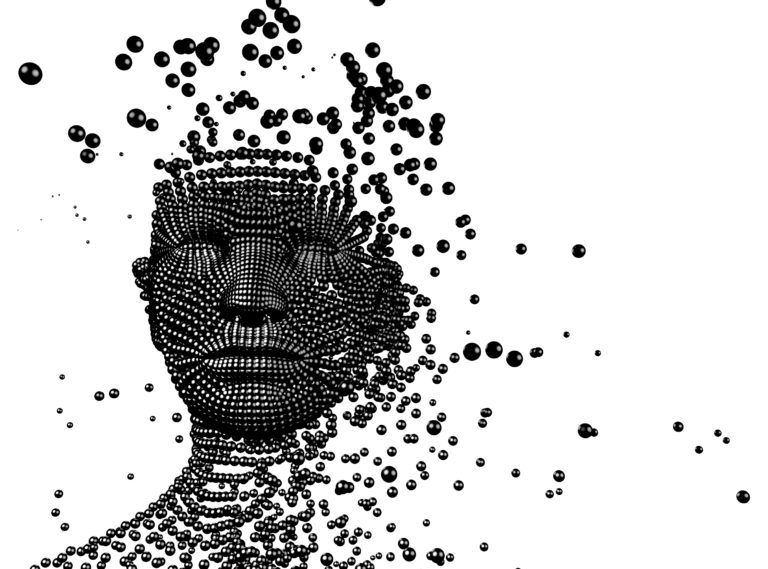
AI and Copyright in China
Ownership of copyright by nonhumans is not allowed in China, but increasing AI capabilities could spur changes in legal thinking.
Ownership of copyright by nonhumans is not allowed in China, but increasing AI capabilities could spur changes in legal thinking.

With no explicit provisions in China's copyright law for the protection of works of applied art, courts have until now used different approaches when considering the issue. In some cases, protection has been extended based on the protections afforded to works of fine art. However, in last year's Guiding Case No. 157 (指导案例157号), the Supreme People's Court (SPC) endorsed the view that works of applied art are entitled to copyright protection in their own right.
Last week, I wrote about how Chinese companies use fake investment scams to trick foreign companies into turning over their IP. This post goes into additional detail regarding the China fake investment scam, but it also goes beyond it to ecompass the various IP theft scams our China lawyers have been seeing in the last couple of years.

One of the more sophisticated and costly scams we see is what we call the "investing in your business to steal your IP scam." We see this scam maybe 4-5 times a year, mostly before they happen and mostly before the company realizes a scam is about to take place.

This post sets out the four most important steps you should take to protect your IP from China. These steps will minimize the likelihood of you having a China IP problem and maximize your chances of prevailing should such a problem actually arise.
This post explains how to protect your product from China when having your product made in China. One of the first things our international manufacturing lawyers do when working with a company having products made in China is to figure out the contracts and IP registrations that will ensure our client's intellectual property and other rights will be protected against its Chinese manufacturer and the rest of the world.
International Manufacturing Turmoil Increases International Manufacturing Risks With the increasing risks of manufacturing in China, our international manufacturing lawyers are being contacted by many companies seeking legal help after all has been lost. These are mostly companies that moved their manufacturing to "bad" Chinese manufacturers or to other countries in an effort to reduce their
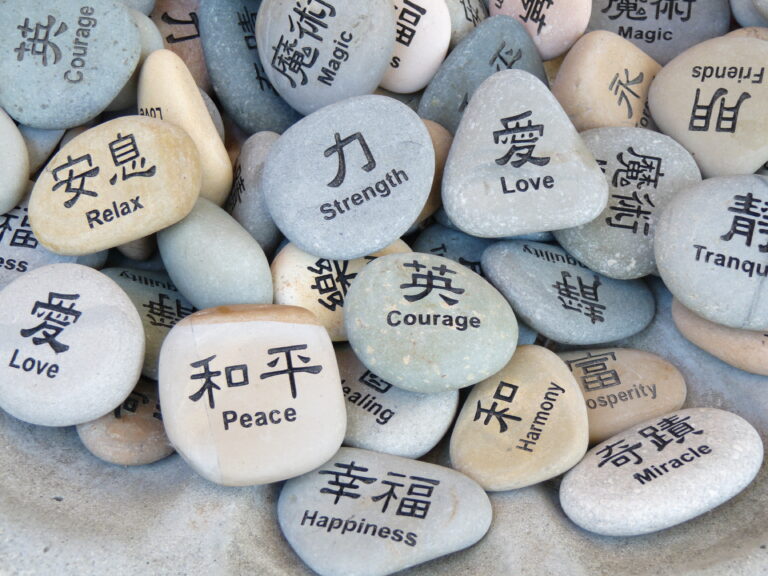
For some brands, trademarking Chinese words or phrases might hit just the right note in terms of image. BBQ pork buns sound appetizing, but describing them as char siu bao provides a special touch. And for established brands from the Chinese-speaking world, Chinese words may already be an indelible part of their identity. Yet the

For companies seeking access to the China market, an IP license is often the best way forward. However, companies need to be smart about it. Specifically, they should resist the temptation to recycle licensing agreements used in other contexts, and instead use agreements specifically drafted for use in China, taking into account China-specific conditions. 1.
China product development is fraught with risks. This post explains the two main product development models employed by Chinese companies and explains the advantages and disadvantages of both. I am writing about product development here because in my experience and that of my company, the product development stage is both the easiest and mostly likely time for your Chinese counterparty to run off with your IP or even your product.