Fred Rocafort

Fred leads Harris Sliwoski’s intellectual property practice and is the coordinator of the firm’s international team. Much of Fred’s practice consists of helping cannabis businesses protect their brands. He also works with entrepreneurs and companies entering the Web3 space, a new frontier for IP law. Prior to joining Harris Sliwoski, Fred worked overseas for more than a decade, in both government and private sector roles. Fred is a regular contributor to the award-winning China Law Blog and Canna Law Blog.

Fred began his career overseas as a U.S. consular officer in Guangzhou, China, where he advocated for fairer treatment of American companies and citizens in China and for stronger intellectual property rights enforcement. After entering the private sector, Fred worked at a Shanghai law firm as a foreign legal advisor and later joined one of the oldest American law firms in China, helping foreign companies navigate the Chinese legal environment. He also led the legal team at a Hong Kong-based brand protection consultancy, spending most of his time out in the field, protecting clients against counterfeiters and fraudsters in Greater China, Southeast Asia and Latin America.

In addition to his IP work, as a native Spanish speaker, Fred works closely with different Harris Sliwoski teams on Latin America and Spain matters. Fred also provides advice to cannabis industry participants and other businesses on import and export transactions.

Fred is an ardent supporter of FC Barcelona—and would be even in the absence of Catalan forebears who immigrated to Puerto Rico in the mid-1800s.


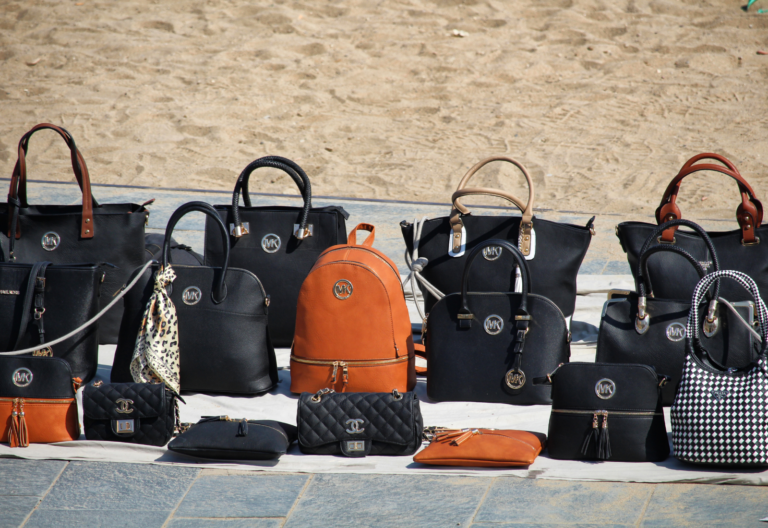
China Counterfeit Customs

Reduce Your Counterfeit Risks by Recording Your Trademark With China Customs

As we have written a number of times, the essential first step in any China IP strategy is to register your trademarks with China’s Trademark Office. Because China is a first-to-file country, until you register a trademark in China you have no rights in that trademark in China. But a trademark registration alone goes only

China trademark classes

China Trademark Classes and Strategies

As we have written many times over the years, if you are selling goods into China, sourcing goods from China, or just doing business in/with China, you should probably register trademarks in China for your brand names and logos. China is a first-to-file country and it does not require evidence of prior use. This means

china law blog

Due Diligence: Always Important, but Critical in Times of COVID

I am currently organizing a webinar on PPE transactions with my colleagues in the Florida Bar International Law Section, which will feature Dan Harris as a panelist. As we finalized the agenda, one of my co-organizers observed that fraud overshadowed every other agenda item. Not only do I agree, but this provides the best framework

How To Protect Your IP Internationally: The Extreme Basics

How To Protect Your IP Internationally: The Extreme Basics

I recently spoke with an in-house IP lawyer at a high-tech hardware client that does business all over the world, mostly in emerging market countries with weak intellectual property rights and protections, including China. When it comes to protecting their IP, this company employs what he calls a “Swiss Army Knife approach,” meaning they do

china law blog

Forced Labor in China: More Import Bans, But Does It Matter?

On January 3, U.S. Customs and Border Protection (CBP) announced a ban on cotton products and tomato products produced in Xinjiang, based on information “that reasonably indicates the use of detainee or prison labor and situations of forced labor.” This does not come as a surprise: We warned about such a ban on cotton in

law bans imports xinjiang

New Law Bans All Imports from Xinjiang

On December 23, President Biden signed a new law that bans all imports from Xinjiang. Specifically, the new law establishes a rebuttable presumption that any product from Xinjiang was made using forced labor. Some observations: 1. Not Just a Xinjiang Problem We have repeatedly pointed out in these pages that even a total ban on

Register Chinese Character Trademarks

How to Register Chinese Character Trademarks

As many readers of this blog already know, words in Latin script (including, of course, English words) can be registered in China as trademarks. But can you register Chinese character trademarks in the United States or the EU? This is an important question for Chinese brands, of course, but also for US and EU brands

barbed wire

“Made in China” Is a Warning Label, But …

On December 2, U.S. Customs and Border Protection (CBP) issued a withhold release order (WRO) against cotton and cotton products made by the Xinjiang Production and Construction Corps (XPCC). XPCC has been described as a “state within a state,” which “functions like a government in running schools, policing and health care facilities across a number