Elijah Hartman

Elijah is a business, intellectual property, entertainment, and litigation attorney. A collaborative team member and keen negotiator, he helps businesses navigate complex problems with simple and straightforward solutions. Whether working hands-on with clients to develop and protect their brands, or spearheading a novel legal matter, Elijah is dedicated to crafting meaningful and lasting legal solutions for his clients.

A man on a hill overlooks a busy village with people and animals; storm clouds and smoke—much like the looming risks of lawsuits for businesses—rise in the distant background.

The Lawsuits I See Coming a Mile Away, and the One You're Walking Into Now

The Lawsuits I See Coming, and the One You're Walking Into Now After years litigating business disputes, you stop hearing new stories. A client calls, starts in on what happened, and within a few minutes I can usually see where it is headed, because I have watched the same handful of mistakes produce the same

A man in a dark coat stands on a rocky peak, holding papers, and looks out over a misty, mountainous landscape under a cloudy sky.

Should Your Business Sue? Seven Questions to Ask Before Filing a Lawsuit

Should Your Business Sue? Seven Questions to Ask Before Filing a Lawsuit A strong legal claim can still be a bad lawsuit. A customer refuses to pay, a partner diverts business to a side venture, or a former employee leaves with confidential information. Any of these may support a claim, but that does not settle

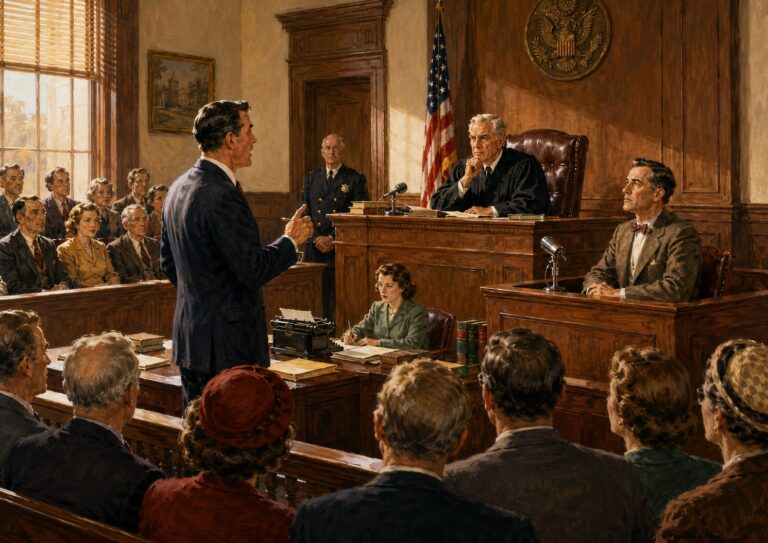
A lawyer addresses the judge and jury in a crowded courtroom, with a witness on the stand and a court reporter typing.

United States Litigation for Business Owners: The 101

Business Litigation: What It Costs, How Long It Takes, and When It Makes Sense At some point in a serious business dispute, someone says, “Maybe we should sue.” The suggestion usually comes after months of frustration. A customer has stopped paying. A partner walked out with the client list and half the staff. A supplier

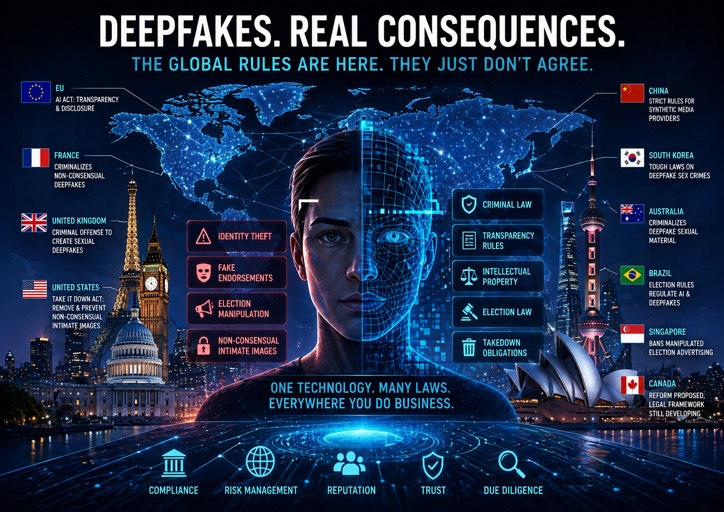
A split-image of a woman's face, half human and half digital, with a world map and various countries' deepfake regulations highlighted in text and icons behind her.

Deepfakes, Voice Cloning, and AI Impersonation: The Global Rules Are Already Here, and They Don't Agree

Deepfakes, Voice Cloning, and AI Impersonation: The Global Rules Are Already Here, and They Don't Agree A cloned executive voice. A fake endorsement. A synthetic campaign ad. A deepfake intimate image. Each of these can now trigger criminal liability, consumer-protection claims, platform-removal obligations, or identity-rights lawsuits—depending on where your business operates and which country's law

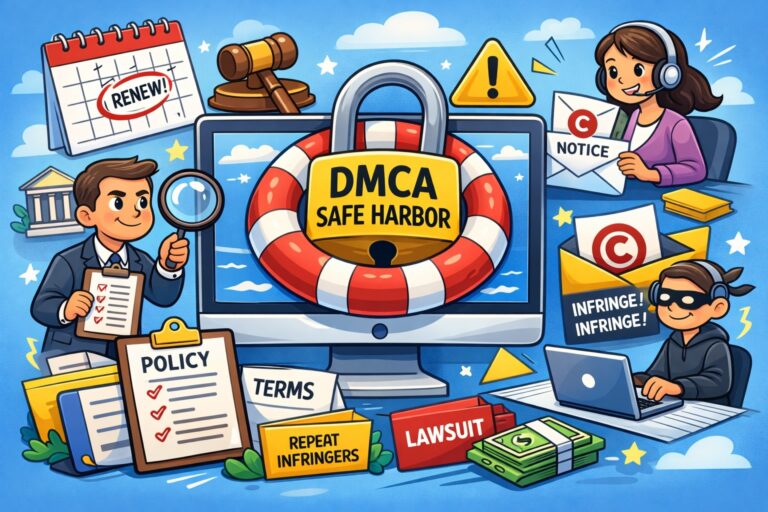
Illustration showing DMCA Compliance and safe harbor concepts with a large lock, policy documents, a computer, copyright symbols, a lawsuit, and people handling copyright notices and online infringements.

DMCA Agent Requirements for Online Businesses

DMCA Agent Requirements for Online Businesses A DMCA Agent Is Easy to Designate. Real Compliance Is Harder. Most online platforms treat the DMCA agent filing as a one-and-done administrative task. That is a mistake. They designate an agent, post a policy, and assume they have handled the issue. Then an actual dispute arrives. A notice

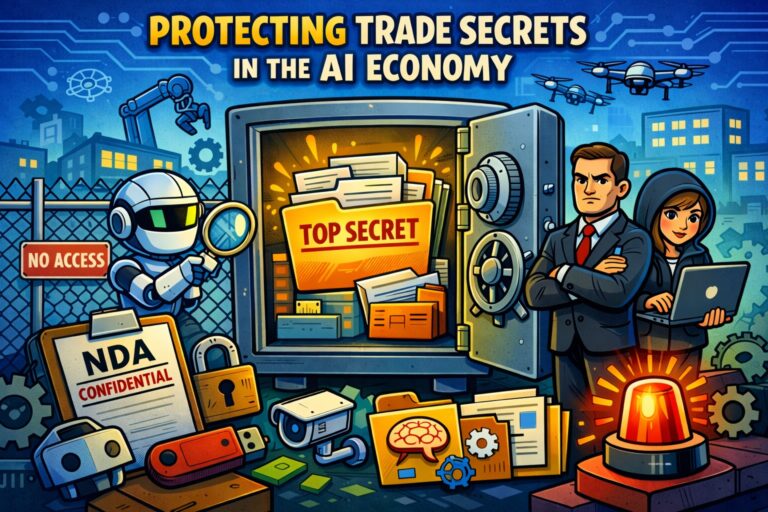
An illustration shows a vault labeled "Top Secret," guarded by a robot and professionals, with NDA documents, security devices, and technology icons symbolizing AI and data protection—highlighting the need to protect your trade secrets.

Trade Secrets in the AI Economy: Why Businesses Need Stronger Protection Now

Trade Secrets in the AI Economy: Why Businesses Need Stronger Protection Now For many businesses, the most valuable asset never appears on a balance sheet. It is the information competitors cannot see and cannot easily copy: source code, pricing logic, training methods, customer data, internal workflows, manufacturing processes, supplier knowledge, and the operational know-how that

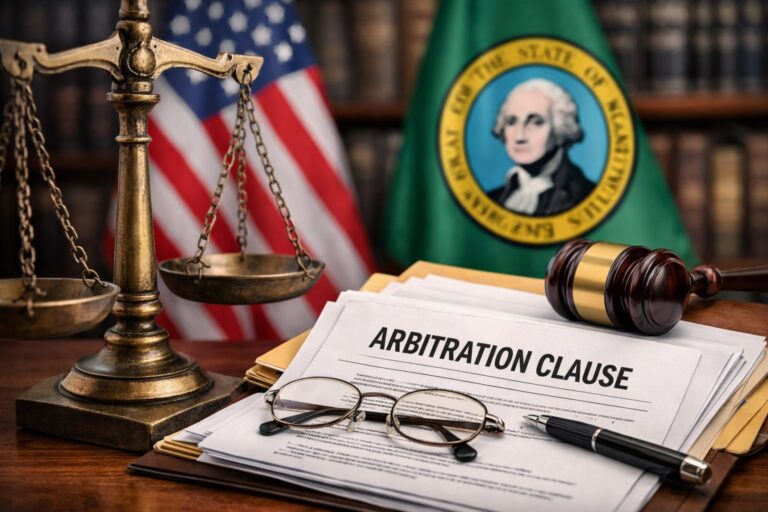
A stack of documents labeled "Arbitration Clause" on a desk with eyeglasses, a pen, a gavel, and law books highlights the role of Washington State arbitration; U.S. and Washington state flags are in the background.

Washington State Arbitration Clauses: When They Help and When They Hurt

Washington State Arbitration Clauses: When They Help and When They Hurt The Arbitration Clause Is Not Harmless Boilerplate An arbitration clause is a risk-allocation provision. It can limit discovery, narrow your remedies, increase your costs, and leave you stuck with a bad result. Too many businesses treat arbitration as standard contract language. They should not.