
Arlo Kipfer

Arlo is based in Bogotá, where he advises clients on Latin America and China business issues. In addition, Arlo has advised clients on the establishment of several independent and joint venture international schools and he is a frequent speaker at international school conferences.

China online gaming laws

Selling Online Games to China

1. China Prohibits Foreign Investment in Online Game Publishing Goreign companies are not allowed to invest in online game publishing in China. Reiterated in the 2016 Administration Rules for Online Publishing Service (2016 OPS Rules), online games are considered online publications and offering such publications via information networks is providing online publishing services. According to


China employment law on pregnancy

China Employment Laws and Female Employees

China has many special laws/rules related to protecting female workers, especially those who are pregnant, nursing, or on maternity leave. For example, Chinese law generally prohibits employers from unilaterally terminating the employment contract of a pregnant or nursing employee or an employee on maternity leave. The only exception to this is that the employee may be unilaterally

China business law

China Employment Contracts: Localization is Key

You should have a China-centric contract when doing business in China or even with China. See China Contracts: Make Them Enforceable Or Don’t Bother. This holds doubly true for employment contracts with China employees because those agreements are highly local. And though I should not have to say this, translating your existing employment agreements into

China Employment Law

China Employee Working Hour Laws

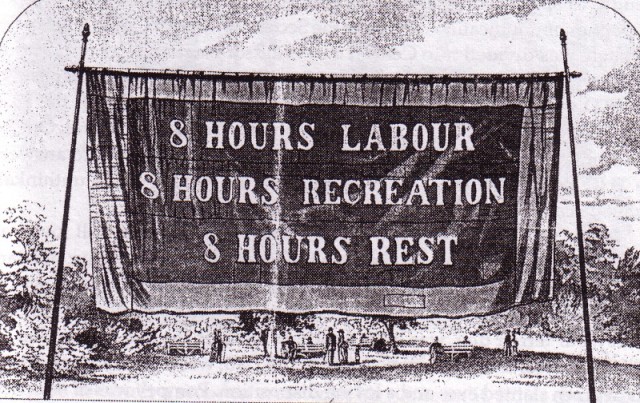
China employees have many rights they cannot contract away. China employee working hours is a good example of this. As I have written previously, most China employees can only work under China’s “standard working hours system,” and in most places in China, that means a 40-hour work week — 8 hours a day and 5

China employment lawyer

China Employee Salary Reductions: Difficult But Not Impossible

Because labor remuneration is an often-litigated issue in China, employers should be careful when reducing employee salaries and they should take that action only when prepared to defend it before an arbitrator or a judge. As with China-based employee terminations, the best way to proceed and avoid employment disputes will usually via a mutual agreement

China Employment Law

China Employee Vacation Law

China’s Regulation on Paid Annual Leave for Employees (《职工带薪年休假条例》) entitles employees who have worked continuously for one year to paid annual leave. China employees are entitled to the following  statutory vacation periods, based on length of employment More than 1 and less than 10 years service: 1 week (5 days) vacation More than 10 and

China Overtime Rules

China Overtime Laws and Employee Terminations

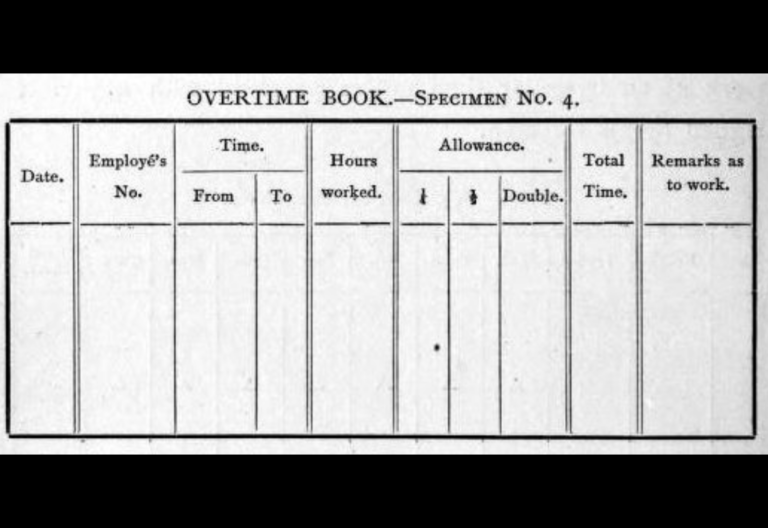
Many companies operating in China expect their China-based employees to work overtime whenever needed to “get the job done.” Though imposing these sort of work hours can make sense in their home countries, this mindset is at odds with China’s laws. It gets even worse in China when the employer intends to discipline or termiante

China overtime laws

Six Myths About China Working Hours and Overtime

China Working Hours and Overtime Issues Navigating the complex landscape of China’s employment laws is a crucial task for foreign companies operating in China. Among the many challenges these businesses face, understanding and complying with China’s employment laws, especially those pertaining to working hours and overtime, are paramount. Misconceptions about these regulations can and do

China Employment Laws

China Employment Laws: Get Them Right or Face PUBLIC Consequences

The PRC Ministry of Human Resources and Social Security recently released a set of rules regarding providing public notice of China employer labor violations (《重大劳动保障违法行为社会公布办法》). The goal of these new rules is to deter employers from violating China’s labor and employment laws and regulations. These rules will take effect on January 1, 2017, and they