Adams Lee has more than twenty years’ experience providing strategic advice and legal guidance on complex international trade and administrative regulatory matters to US and foreign companies, trade associations, and foreign governments. He advises companies in a broad range of industries on international trade remedy and trade policy issues.

Adams brings a wealth of knowledge to Harris Sliwoski’s international trade practice. He is adept at quickly evaluating strategic options and developing the best comprehensive legal approach in light of relevant policy and case law. Beyond achieving significant DOC and ITC results that improve his clients’ competitive position, Adams helps them understand complex trade issues so they can make well-informed business decisions.

Animated worm screaming at bird with the early worm gets the bird written

How to Avoid China Tariffs: Make an Exclusion Request and Fast

The seemingly endless U.S.-China trade war keeps slogging along. The Office of the U.S. Trade Representative (USTR) has already imposed 25% tariffs on $250 billion of Chinese imports on three previous lists (List 1 = $34 billion starting from July 2018, List 2 = $16 billion from August 2018, List 3 = $200 billion from

China's Tariff Map

Tariffs Against China Products: A Roadmap on What YOU Should do Now

1. The New Tariffs The Office of the U.S. Trade Representative (USTR) formally published a notice in the Federal Register (this means it is official) confirming President Trump’s by now famous weekend tweet: U.S. imports of Chinese products, valued at $200 billion, that have been subject to 10 percent tariff since September 24, 2018, will now be subject to

United States tariff exception

China/U.S. Tariffs and How to Fight Back

President Trump last week announced that the U.S. will impose 25% tariffs on about $50 billion worth of Chinese imports, to punish China for its “systematic theft” of U.S. intellectual property and/or to reduce America’s trade deficit with China. China fired back by announcing it would  impose 25% tariffs on about $50 billion worth of

China media and entertainment lawyer

The “Easy to Win” Trade War Against China and the World

President Trump has his trade war, but it is not just against China. This trade war is the United States against the World. President Trump has announced tariffs of 25% on steel imports and 10% on aluminum imports under Section 232 of the United States’ National Security law. Because Section 232 is not a trade

China lawyers for counterfeits

Using Section 337 Cases to Block Counterfeit Products from Entering the United States

With Amazon and Ebay having increased their efforts at bringing in Chinese sellers and with Chinese manufacturers branching out and making their own products, the number of companies contacting our international intellectual property lawyers about problems with counterfeit products and knockoffs has soared. If the problem involves infringing products being imported into the United States,

China imports

Beware the False Claims Act When Importing Products

The U.S. Government has been cracking the whip on products illegally transshipped from China. Chinese companies and U.S. importers of their products often tell me they are not concerned about U.S. Antidumping (“AD”) and Countervailing Duty (“CVD”) orders because they can “just get around those orders by transshipping our products to Malaysia, Vietnam, Philippines, Sri
United States Importer of Record Liability

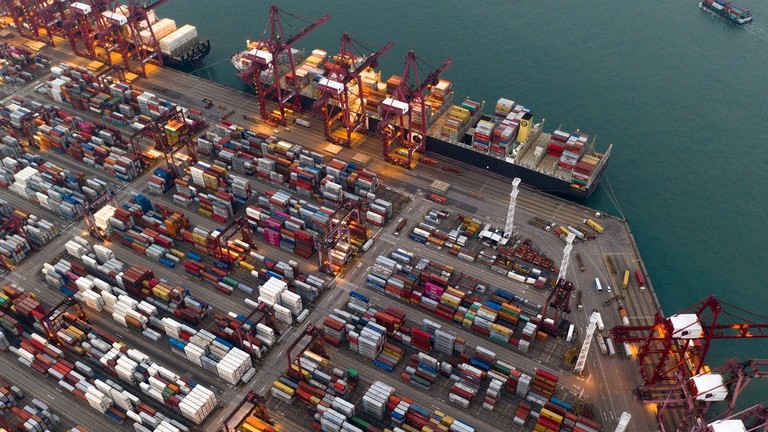
The US Importer of Record is liable for antidumping and countervailing duties tied to the product imported. The Importer of Record is the company listed in Block 26 of the U.S. Customs 7501 form. Importer of Record must exercise reasonable care in importing products and in filling out Customs forms Under US Antidumping (AD), Countervailing

OFAC Sanctions

China Trade and OFAC Sanctions

The U.S. Department of the Treasury’s Office of Foreign Assets Control (OFAC) enforces U.S. economic and trade sanctions. OFAC sanctions generally block all U.S. individuals and entities – including in some cases U.S. companies’ foreign subsidiaries – from transacting business with comprehensively sanctioned countries, such as Cuba, Iran, North Korea, Russia, and Syria, or sanctioned