المستغلون غير الشرعيين للعلامات التجارية يتدفقون الآن بأعداد كبيرة لاستهداف سلسلة التوريد الخاصة بك
لسنوات طويلة، اتبع محتلو العلامات التجارية نفس النمط العام. كانوا يحددون علامة تجارية أجنبية لم تسجل علامتها التجارية بعد في الصين أو الولايات المتحدة أو أي سوق رئيسية أخرى. ثم يقومون بتسجيلها أولاً وينتظرون. وفي نهاية المطاف، يكتشف مالك العلامة التجارية الشرعي المشكلة، عادةً عندما يحاول تسجيل العلامة أو تصنيع المنتجات أو دخول السوق أو وقف المقلدين أو إنفاذ حقوقه. وعندئذٍ يطالب المحتل بدفع مبلغ مالي.
كان الأمر مزعجًا ومكلفًا، لكنه كان يمكن تحمله في الغالب. لكن هذا الإزعاج الذي كان يمكن تحمله يفسح المجال الآن لشيء أكثر تدميرًا: جيل من المحتلين الذين لا ينتظرون يوم الدفع، بل يعملون بنشاط على صنعه.
تُعرف طلبات تسجيل العلامات التجارية بسوء نية بأنها طلبات لا تُقدم بهدف حماية مصلحة تجارية حقيقية، بل بهدف ممارسة الضغط على مالك العلامة التجارية الشرعي. وقد كانت هذه الطلبات جزءًا من الممارسات المتعلقة بالعلامات التجارية على مدى عقود. لكن ما يختلف الآن هو مدى الحماس الذي تُستخدم به. فمحتلو العلامات التجارية اليوم لا يكتفون بمحاولة الحصول على تسجيلات فحسب، بل يبحثون عن نقاط ضعف يمكنهم الضغط عليها: سلاسل التوريد، وسجلات الجمارك الصينية، والأسواق الإلكترونية، ووثائق الترخيص، وإجراءات مكاتب العلامات التجارية.
في بعض الأحيان، لا يكون الهدف هو الفوز، بل جعل النزاع مكلفًا لدرجة تجعل مالك العلامة التجارية يدفع ثمن إنهاءه. ولا يحتاج المتعدي على العلامة التجارية إلى موقف قانوني قوي لتحقيق الربح، بل يحتاج إلى نقطة ضعف يمكن الضغط عليها ومالك علامة تجارية انتظر طويلاً.
إذا لم تكن قد سجلت علامتك التجارية بعد، فافعل ذلك الآن. أؤكد لك أن تكلفة ذلك ستكون أقل بكثير من تكلفة النزاع الذي قد تواجهه إن لم تفعل.
تظل الصين أكثر الدول خطورة فيما يتعلق باحتلال العلامات التجارية
تتبع الصين نظام "أسبقية التسجيل" في مجال العلامات التجارية. وهذا يعني أنه إذا قام شخص ما بتسجيل علامتك التجارية في الصين قبلك، فقد تواجه مشاكل خطيرة حتى لو كنت أنت من ابتكر العلامة التجارية، واستخدمتها في أماكن أخرى، وبنيت سمعتها خارج الصين.
لسنوات طويلة، كان "المستولي" الصيني النموذجي على العلامات التجارية يسجل علامة شركة أجنبية وينتظر فرصة جني الأرباح. وقد يتصل المستولي بمالك العلامة التجارية مباشرةً، أو ينتظر حتى يكتشف المالك التسجيل بنفسه. وعادةً ما يتحول النزاع بعد ذلك إلى مسألة تتعلق بما إذا كان يجب الاعتراض على التسجيل أو إلغاؤه أو إبطاله أو التفاوض بشأنه أو تغيير العلامة التجارية أو الدفع.
لا يزال هذا صحيحًا، لكن الجيل الحالي من المحتلين يقوم بأمور أسوأ. فقد توقفوا عن الانتظار. فهم يتدخلون في الشحنات، ويخلقون مشاكل على المنصات، ويزورون سجلات الشرعية، ويجبرون مالكي العلامات التجارية على خوض معركة وفقًا لشروط المحتلين.
أصبحت إجراءات التسجيل الجمركي في الصين سلاحًا للاستيلاء على العلامات التجارية
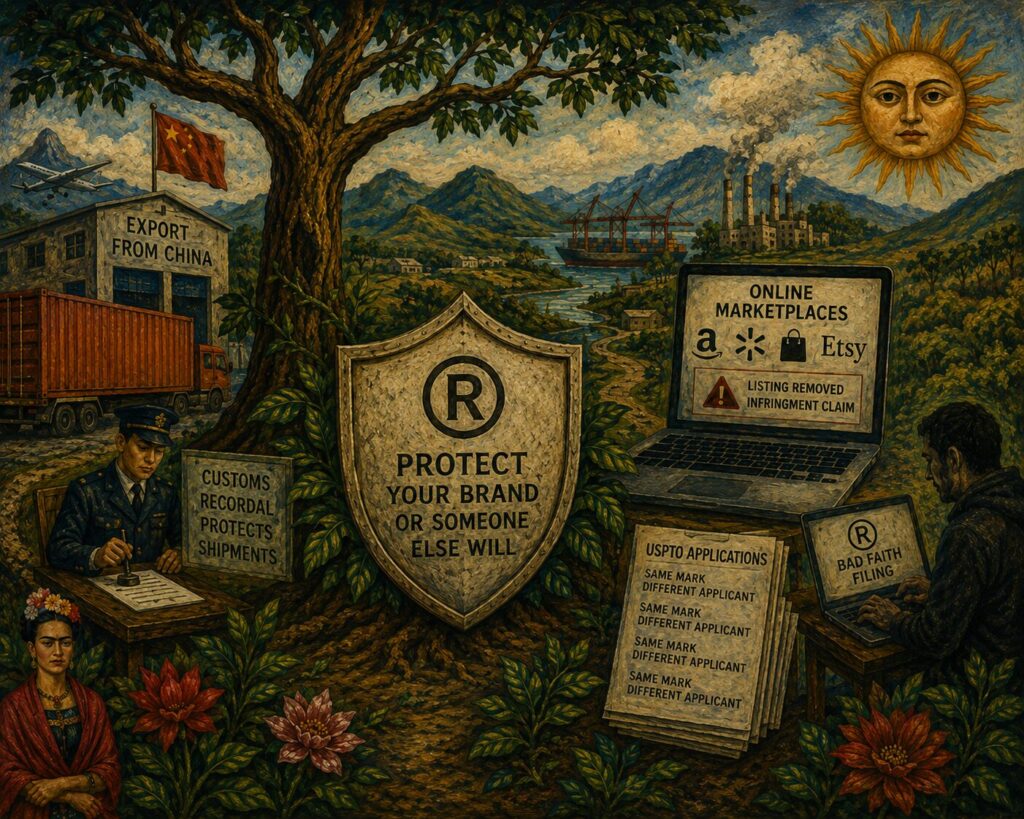
تعد إحدى أكثر الأساليب إثارة للقلق تلك التي تتعلق بالجمارك الصينية. ويُقصد بتسجيل العلامات التجارية لدى الجمارك الصينية عملية تسجيل يقوم من خلالها مالك العلامة التجارية بإيداع علامته لدى الجمارك الصينية، مما يمكّن موظفي الجمارك من تحديد الشحنات التي تحمل تلك العلامة وإخطار صاحب الحقوق عند اكتشاف بضائع مشبوهة. وعندما يستخدمها مالك العلامة التجارية الشرعي، يمكن أن يكون التسجيل أداة فعالة لمكافحة التزوير. كما يمكن أن يساعد في منع دخول البضائع المقلدة إلى الصين أو خروجها منها. انظر حماية ملكيتك الفكرية في الصين: دليل لتسجيل الملكية الفكرية لدى الجمارك الصينية.
وعندما يستخدمها مسجل سيئ النية، يمكن أن تتحول هذه الأداة نفسها إلى سلاح قوي. فيمكن للمسجل المسجل أن يقدم شكاوى إلى الجمارك الصينية يطلب فيها احتجاز البضائع التي تحمل العلامة المتنازع عليها لفحصها. وحتى إذا حُسمت المسألة في النهاية لصالح مالك العلامة التجارية الشرعي، فإن هذه العملية قد تؤدي إلى تأخير الشحنات، وتخلق حالة من عدم اليقين، وتجبر الشركة على القيام بإجراءات قانونية عاجلة تحت ضغوط تجارية. والأهم من ذلك، أنها تكلف مالك العلامة التجارية الشرعي وقتًا ومالًا كبيرين.
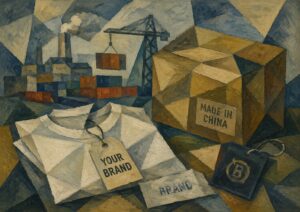
بمجرد أن تتعرض الصادرات للتهديد أو التأخير، فإن حماية العلامات التجارية تؤثر بشكل مباشر على عمليات سلسلة التوريد. تحتاج الشركات التي تصنع منتجاتها في الصين إلى علامات تجارية صينية حتى لو لم تكن تبيع لأي مستهلك صيني. ويشمل ذلك الشركات التي يتم تصنيع منتجاتها من قبل مصنعين صينيين متعاقدين قد لا تتمكن من التحكم فيهم بشكل كامل أو حتى فهمهم تمامًا. إذا كان المصنع موجودًا في الصين وكان اسم علامتك التجارية موجودًا على المنتج، فإن تعرض علامتك التجارية في الصين لخطر الانتهاك هو أمر حقيقي. انظر : التصنيع في الصين: يجب أن يكون تسجيل العلامة التجارية في الصين هو أول ما تفعله.
تسجيل العلامة التجارية في الولايات المتحدة لا يوفر لك الحماية في الصين. واسم النطاق لا يوفر لك الحماية في الصين. كما أن سنوات الاستخدام خارج الصين لا تكفي عادةً لحمايتك من أي إخفاق في تسجيل العلامة التجارية في الصين. وبمجرد أن يمتلك الطرف الخطأ تسجيل العلامة التجارية لعلامتك التجارية في الصين، يمكن أن تتحول المشكلة من مجرد إزعاج إلى أزمة تشغيلية في غمضة عين.
المستوطنون غير الشرعيين يبذلون جهودًا أكبر لإضفاء الشرعية على وجودهم
كما نلاحظ أن المتعدين على العلامات التجارية يبذلون جهودًا أكبر لإضفاء الشرعية على تسجيلاتهم بعد وقوع الأمر. يحاول البعض ترخيص العلامة التجارية للموزعين أو تجار التجزئة، مما يخلق سجلاً للاستخدام التجاري المفترض. ويقوم آخرون بإنشاء وثائق، مثل اتفاقيات الاستخدام والفواتير وسجلات الموزعين وصور المنتجات، مصممة لدعم ادعاء الاستخدام الحقيقي أمام فاحص مكتب العلامات التجارية أو المحكمة. ويضيف البعض مالك العلامة التجارية الشرعي إلى سجل الجمارك الخاص بالمستولي كطرف "مصرح له"، كما لو أن المستولي لديه الحق في إدارة حقوق استيراد وتصدير العلامة التجارية.
وتعد هذه الخطوة الأخيرة مزعجة بشكل خاص لأنها قد تجعل مالك العلامة الحقيقي يبدو وكأنه طرف يعمل بإذن من المتعدي، بدلاً من العكس. كما أنها تثير البلبلة حول من يتحكم فعلياً في العلامة، وهو غالباً ما يكون الهدف المنشود.
تكتسب هذه التكتيكات أهمية لأنها قد تعقّد إجراءات إلغاء العلامة التجارية بسبب عدم الاستخدام. ففي الصين، يمكن عمومًا إلغاء العلامة التجارية إذا لم تُستخدم استخدامًا حقيقيًا لمدة ثلاث سنوات متتالية. ويتطلب الاستخدام الحقيقي عادةً تقديم أدلة على معاملات تجارية فعلية، وليس مجرد مستندات داخلية أو عينات ترويجية أو أنشطة رمزية. وقد يؤدي المتسلل الذي يستطيع تشويش السجلات باستخدام التراخيص أو الفواتير أو أنشطة التوزيع المزعومة إلى جعل المعركة أكثر صعوبة وتكلفة.
لا يكون هدف المحتل دائمًا هو الفوز بطريقة نزيهة. ففي كثير من الأحيان، يكون هدفه هو إرباك السجلات الواقعية إلى درجة تجعل مالك العلامة التجارية الشرعي يفضل دفع مبلغ كبير له بدلاً من إنفاق مبلغ أكبر في مواجهة المشاكل التي تسبب فيها المحتل.
توخى الحذر بشأن التسويات و«التراخيص»
يصاب بعض مالكي العلامات التجارية بالذعر عندما يكتشفون وجود متسلل، فيسارعون إلى التوصل إلى تسوية. وأحيانًا تكون التسوية هي الحل الصحيح. لكن الاتفاقات غير الرسمية، أو التراخيص التي صيغت بشكل سيئ، أو ترتيبات التعايش الغامضة غالبًا ما تؤدي إلى خلق مشاكل جديدة.
قد تؤدي التسوية التي تتم بطريقة خاطئة إلى إضفاء الشرعية على المتعدي، أو تخلق أدلة على الموافقة، أو تعقّد جهود الإلغاء في المستقبل، أو تقوض إجراءات الإنفاذ التي تتخذها المنصة، أو تشجع على تقديم طلبات بسوء نية في المستقبل.
إذا كنت تتعامل مع طرف متعدٍ على حقوقك، فلا تكتفِ بالسؤال: «كم سيكلفنا إنهاء هذه المسألة؟» بل اسأل محامياً ملمّاً بقانون العلامات التجارية الصيني: «ما تأثير هذه الاتفاقية على وضع علامتنا التجارية على المدى الطويل؟» فهذا السؤال مهم لأن التسوية الخاطئة قد تؤدي إلى تفاقم المشكلة في المستقبل.
المجرم ليس دائمًا شخصًا غريبًا
لا تزال العديد من الشركات تتصور أن "المستولي على العلامة التجارية" هو مجرد شخص عشوائي في مكان ما في العالم اكتشف علامتها التجارية عبر الإنترنت. وأحيانًا يكون هذا هو ما حدث بالضبط، ولكن ليس دائمًا.
قد يكون المسجل الذي يتصرف بسوء نية موظفًا سابقًا، أو موزعًا، أو شريكًا في التصنيع، أو حامل ترخيص، أو موردًا، أو منافسًا أدرك هذه الثغرة قبل مالك العلامة التجارية. وفي بعض الحالات، يكون المتسلل مصنعًا سابقًا أو حاليًا كان لديه وصول مباشر إلى العلامة التجارية، والتغليف، ومواصفات المنتج، وخطط التوسع الخاصة بالشركة.
تقوم إحدى الشركات بمشاركة أصول علامتها التجارية مع مصنع أو موزع أو شريك محتمل قبل أن تتقدم بطلب للحصول على حماية العلامة التجارية. ثم تتدهور العلاقة، وترى الطرف الآخر فرصة سانحة، ليكتشف مالك العلامة التجارية في يوم من الأيام أن شخصًا كان يثق به قد سبقه في تقديم الطلب. إن عبارة «نحن نثق بمصنعنا» ليست استراتيجية لحماية العلامة التجارية. يجب عليك تقديم طلب تسجيل علامتك التجارية في الصين قبل الكشف عن اسم علامتك التجارية لأي شخص، لا سيما في الصين.
الولايات المتحدة لم تعد في مأمن
تفترض العديد من الشركات أن احتلال العلامات التجارية يمثل مشكلة تقتصر في الغالب على الصين. وهذا الافتراض قديم وخطير في آن واحد.
تاريخياً، لم تُعتبر الولايات المتحدة أرضاً خصبة لظاهرة "احتكار العلامات التجارية" التقليدية، لأن حقوق العلامات التجارية الأمريكية ترتبط ارتباطاً وثيقاً بالاستخدام. فالطرف الأول الذي يستخدم علامة ما في المجال التجاري يتمتع عموماً بحقوق أقوى من الطرف الذي يسجلها لاحقاً. لكن حجة "نحن استخدمناها أولاً" لا تشكل دفاعاً كاملاً ضد التعرض لعرقلة الأعمال.
في الإجراءات القانونية الأمريكية، يمكن للمستخدم الأقدم الطعن في حقوق المسجل الأحدث، ولكن فقط إذا تمكن المستخدم الأقدم من إثبات الاستخدام المستمر في المجال التجاري. ولا تحتفظ العديد من الشركات الصغيرة والمتوسطة بهذه السجلات بعناية. وحتى في حالة احتفاظها بها، فإن تقديم الطلب بشكل غير صحيح قد يؤدي إلى تكبد تكاليف وإلى تأخير وعقبات إجرائية.
قد يُجبر طلب تسجيل علامة تجارية أمريكية ضعيف أو احتيالي مالك العلامة التجارية الشرعي على مراقبة الطلبات المقدمة، أو تقديم خطاب احتجاج، أو الاعتراض على الطلب، أو السعي لإلغائه، أو الرد على الإجراءات الإدارية. فعلى سبيل المثال، يمكن أن يكون خطاب الاحتجاج وسيلة منخفضة التكلفة نسبيًا لعرض أدلة سوء النية أمام فاحص مكتب براءات الاختراع والعلامات التجارية الأمريكي (USPTO) أثناء مرحلة فحص الطلب. لكن ذلك لا يكون مفيدًا إلا إذا كان مالك العلامة التجارية يراقب الوضع عن كثب بما يكفي لاتخاذ الإجراءات في الوقت المناسب.
هجمات "سوارم" التي تشنها مكتب براءات الاختراع والعلامات التجارية الأمريكي (USPTO) هي استراتيجية جديدة لتقديم الطلبات بسوء نية
نشهد حاليًا هجمات جماعية على العلامات التجارية في مكتب براءات الاختراع والعلامات التجارية الأمريكي (USPTO). حيث يكتشف مالك العلامة التجارية وجود طلبات متعددة لتسجيل العلامة نفسها، أو علامات مشابهة، أو أخطاء إملائية، أو أشكال مختلفة للشعار، أو سلع ذات صلة، أو فئات علامات تجارية مجاورة. وتأتي هذه الطلبات من كيانات مختلفة، وتظهر في غضون فترة زمنية قصيرة، وقد يتقدم بها مقدمو طلبات لا تربطهم أي صلة شرعية واضحة بالعلامة التجارية.
غالبًا ما تتعلق هذه الطلبات بمقدمي طلبات أجانب، غالبًا من الصين. ويصعب إثبات وجود تنسيق، وفي كثير من الحالات، لا يتعين عليك إثبات ذلك. فما يهم لأغراض الاعتراض والإلغاء هو عادةً كل طلب على حدة بناءً على مزاياه الخاصة، وليس ما إذا كان بإمكانك إثبات وجود مؤامرة. لكن من وجهة نظر مالك العلامة التجارية، فإن الأثر العملي واضح لا لبس فيه.
تشكل هذه الطلبات عقبات إجرائية يجب معالجتها واحدة تلو الأخرى، حيث لكل منها مواعيدها النهائية ورسومها واعتباراتها الاستراتيجية الخاصة. وفي نهاية المطاف، يتم رفض العديد من طلبات التسجيل الجماعية من قِبل مكتب براءات الاختراع والعلامات التجارية الأمريكي (USPTO) أو يتم التخلي عنها، لكن الضرر يكون قد وقع بالفعل. وتتمثل التكلفة في عملية المراقبة، واستراتيجية الرد، وإجراءات الاعتراض، والتشتت، وعدم اليقين الذي يحيط بالأعمال.
في الأسبوع الماضي وحده، توليت قضيتين جديدتين تتعلقان بـ«تكديس العلامات التجارية»، حيث تم تقديم مجموعة من الطلبات المشبوهة ضد مالكي علامات تجارية شرعيين لم يكونوا قد سجلوا علاماتهم في الولايات المتحدة. وفي كل قضية، تم تقديم خمسة طلبات في اليوم نفسه لعلامات متطابقة أو شديدة التشابه مع العلامة التجارية للعميل، قدم كل منها كيان مختلف.
قد تجعل مجموعة من خمس طلبات مقدمة في نفس اليوم من قبل خمس كيانات مختلفة النشاط يبدو أقل تنسيقًا مما هو عليه في الواقع: خمس شركات منفصلة، وخمس طلبات منفصلة، ولا يوجد رابط واضح بينها. لكن النتيجة العملية واحدة في كلتا الحالتين: خمسة مواعيد نهائية، وخمس مجموعات من السلع والخدمات يتعين تحليلها، وخمسة مشاكل إجرائية محتملة يتعين معالجتها في وقت واحد.
في كلتا الحالتين، كان أول ما فعلناه هو عدم الاستسلام للذعر. فقد نصحنا عملاءنا بعدم إنفاق الأموال على مقدمي الطلبات، ووجهناهم بعدم التعامل مع كل طلب من الطلبات الخمسة وكأنه أمر منفصل عن البقية. كان أول ما قمنا به هو تحديد ملامح الهجوم.
وكان ذلك يعني تحديد كل طلب تسجيل ذي صلة، وكل مقدم طلب، وكل صيغة من صيغ العلامة، وكل فئة من فئات السلع والخدمات المشمولة، وكل تاريخ تسجيل، وكل صلة محتملة بين مقدمي الطلبات. ولم نبدأ في تقييم المزيج المناسب من استراتيجية مكتب براءات الاختراع والعلامات التجارية الأمريكي (USPTO)، واستراتيجية السوق، وخيارات الإنفاذ، والمخاطر التجارية إلا بعد تحديد ملامح المشكلة بدقة.
فيما يتعلق بهجمات السرب، يكمن الخطر في النمط المتبع. فإذا تعاملت مع كل هجوم على حدة، فقد تفوتك الاستراتيجية الأوسع نطاقاً وتضيع أموالك في خوض معركة خاطئة في البداية.
قبل الرد على أي طلب تسجيل فردي، عليك أن تفهم الصورة الكاملة: ما هو عدد الطلبات المقدمة، ومن قام بتقديمها، وما إذا كان هناك صلة بين مقدمي الطلبات، وما هي السلع والخدمات المشمولة، وأي الطلبات تشكل الخطر التجاري الأكثر إلحاحًا، وما هي المواعيد النهائية المهمة، وما هو أسرع مسار لتحييد هذا الخطر.
في كلتا الحالتين اللتين طرأت في الأسبوع الماضي، لم تكن مجموعات الطلبات مجرد فوضى إدارية في مكتب العلامات التجارية. بل كانت تشكل عوائق محتملة أمام سير الأعمال. وبحلول الوقت الذي تدرك فيه معظم الشركات ذلك، تكون قد دخلت بالفعل في صراع على جبهات متعددة.
أصبح التسجيل المبكر في الولايات المتحدة يكتسب أهمية تقارب أهمية التسجيل المبكر في الصين.
أمازون تزيد من إلحاح مشاكل العلامات التجارية
بالنسبة للعديد من الشركات، يتجلى الضرر المباشر الناجم عن احتلال العلامات التجارية بشكل أكبر على منصة أمازون. وتُعد أمازون بؤرة التوتر الأكثر شيوعًا، لكن نفس الديناميكيات يمكن أن تظهر على منصات مثل علي بابا، وتيمو، ووولمارت ماركت بليس، وإيباي، وإتسي، وفي أي مكان تعتمد فيه أنظمة إنفاذ القوانين على هذه المنصات اعتمادًا كبيرًا على بيانات العلامات التجارية.
قد يستغل مقدم الطلب الذي يتصرف بسوء نية عملية تقديم طلب العلامة التجارية أو تسجيلها للتدخل في نظام "أمازون براند ريجيستري"، أو الطعن في القوائم الشرعية، أو تقديم شكاوى لإزالة المنتجات، أو الضغط على البائعين والموزعين. ولا يتطلب أي من ذلك الفوز في دعوى قضائية رسمية.
إن التمييز بين الطلب المعلق والتسجيل أمر مهم. يتطلب «سجل العلامات التجارية في أمازون» عمومًا وجود علامة تجارية مسجلة، وليس مجرد طلب معلق، على الرغم من أن قواعد وممارسات أمازون قد تتغير وتختلف حسب الولاية القضائية والبرنامج. وقد يحصل المتطفل الذي ينجح في التسجيل قبل مالك العلامة التجارية الحقيقي على حقوق إنفاذ على المنصة لا يمتلكها مالك العلامة التجارية الشرعي بعد.
تُعرف "العلامة الحمراء" على موقع أمازون بأنها شكوى تتعلق بـ"تسجيل العلامة التجارية" أو مطالبة تستند إلى علامة تجارية مقدمة من جهة لا تعرفها. وقد يكون ذلك أول مؤشر على أن شخصًا ما قد استخدم تسجيل علامة تجارية للحصول على مكانة على المنصة.
بالنسبة لشركة يُدر قناتها على «أمازون» نصف إيراداتها، فإن تعطل عرض منتجاتها لمدة أسبوعين خلال الربع الرابع قد يكلفها أكثر من تكلفة النزاع الأساسي المتعلق بالعلامة التجارية برمته. لذا، يتعين على الشركات التأكد من حصولها على حماية كافية لعلاماتها التجارية حتى تظل مسيطرة على علامتها التجارية.
لماذا يتفاقم الوضع
هناك عدة عوامل وراء ذلك. فمالكو العلامات التجارية الذين كانوا يقظين يدركون أنه يتعين عليهم التسجيل مبكرًا في الأسواق الرئيسية، مما يجعل النموذج القديم للاحتلال السلبي أقل موثوقية. وبما أن الاحتفاظ بحق التسجيل لم يعد يضمن تحقيق أرباح، فإن المحتلين يحتاجون إلى نقاط ضغط أكثر فعالية، وقد وجدوها في سلاسل التوريد، والأسواق الإلكترونية، وسجلات الجمارك، وملفات مكتب براءات الاختراع والعلامات التجارية الأمريكي (USPTO).
كما ساهمت الأسواق الإلكترونية في زيادة القيمة التشغيلية للعلامات التجارية. فأصبحت العلامات التجارية الآن هي التي تحدد من يمكنه التحكم في القوائم، وتقديم طلبات إزالة المحتوى، والوصول إلى أدوات مكافحة التزوير، والحصول على اهتمام جاد من أنظمة إنفاذ القوانين في المنصات.
تشكل سلاسل التوريد العالمية ضغوطًا إضافية. فإذا تمكن أحد المتطفلين من تهديد الصادرات الصينية، والتدخل في قوائم منتجات أمازون في الولايات المتحدة، وإثارة مشاكل إجرائية في مكتب براءات الاختراع والعلامات التجارية الأمريكي (USPTO)، فإنه يمكنه الضغط على مالك العلامة التجارية من عدة جبهات في آن واحد.
ولم يكن أي من هذا ليحظى بنفس القدر من الأهمية لو أن مالكي العلامات التجارية كانوا يتقدمون بطلبات التسجيل في وقت أبكر، لكنهم لا يفعلون ذلك. والأسباب معروفة. تقول الشركات إنها تقتصر على التصنيع في الصين، ولا تبيع منتجاتها هناك. أو أنها ستتقدم بطلب التسجيل بمجرد أن «تكتسب منتجاتها زخمًا أكبر». أو أنها تمتلك اسم النطاق بالفعل، وأن هذا الأمر ينبغي أن يُعتبر عاملاً مهمًا. أو أنها تستخدم العلامة التجارية منذ سنوات، لذا لا داعي للقلق. أو أن قوائم منتجاتها على موقع أمازون تثبت ملكيتها للعلامة التجارية.
لا شيء من هذا صحيح. اسم النطاق ليس بمثابة تسجيل لعلامة تجارية. واسم الشركة ليس بالضرورة تسجيلًا لعلامة تجارية. كما أن العلامة التجارية المسجلة في الولايات المتحدة لا توفر لك الحماية في الصين. وعادةً ما لا يمنحك الاستخدام في بلد ما حقوقًا تلقائية في بلد آخر. كما أن النجاح على منصة أمازون لا يضمن ملكية العلامة التجارية.
كلما حققت علامتك التجارية نجاحًا أكبر، زادت جاذبيتها للمستغلين، وزادت الثغرات في نظام الحماية الخاص بك التي سيتم استغلالها. وفارق التكلفة هائل. فالتصدي لمستغل أو التوصل إلى تسوية معه يكلف عادةً ما لا يقل عن عشرة أضعاف تكلفة تسجيل العلامة التجارية في المقام الأول. وأحيانًا تكون التكلفة هي خسارة المشروع بأكمله.
السؤال الذي يطرح نفسه على معظم مالكي العلامات التجارية هو: ماذا يجب أن يفعلوا؟ وتبدأ الإجابة بالتقدم بطلب التسجيل في وقت أبكر مما يبدو ضروريًا.
قدم طلبك مبكرًا، وقدم طلبك بشكل صحيح، وتابع ما سيحدث بعد ذلك
تتمثل الخطوة الأولى في تسجيل علاماتك التجارية الأساسية في وقت مبكر، قبل الشروع في التصنيع أو إطلاق المنتج أو التواصل مع الموزعين أو حضور المعارض التجارية أو خلق زخم جماهيري حول العلامة التجارية الجديدة.
في الصين، يعني ذلك تقديم طلب التسجيل قبل أن تظهر علامتك التجارية في أي مكان. وعادةً ما تستغرق طلبات تسجيل العلامات التجارية في الصين ما بين 12 إلى 18 شهراً حتى يتم إتمام التسجيل. ولا يقتصر الهدف من التسجيل المبكر على مجرد التغلب على المتطفلين فحسب، بل يتعلق أيضاً بضمان حصولك على شهادة التسجيل بحلول الوقت الذي تحتاج فيه إلى استخدامها.
خلال الفترة الفاصلة بين تقديم الطلب والتسجيل، قد تتمتع ببعض المزايا الإجرائية، لكن أدوات الإنفاذ الأقوى التي تمتلكها تعتمد عادةً على حصولك على التسجيل. وهذا سبب آخر يدفعك إلى تقديم الطلب قبل أن تحتاج إلى الحماية.
إن التسجيل الصحيح لا يقل أهمية عن التسجيل المبكر. فالعلامة التجارية المسجلة في الولايات المتحدة لا تمنحك حماية تلقائية في الصين، كما أن التسجيل في الصين لا يوفر لك الحماية لدى مكتب براءات الاختراع والعلامات التجارية الأمريكي (USPTO). لكن اتباع استراتيجية تسجيل منسقة في كلا البلدين يمكن أن يجعل من الصعب جدًا على المتطفلين إثارة المشاكل على جبهات متعددة في آن واحد.
قد تؤدي استراتيجية التسجيل الضعيفة إلى خلق شعور زائف بالأمان. تتبع الصين نظام تصنيف نيس، لكنها تقسم كل فئة إلى فئات فرعية. ولا تمتد الحماية داخل الفئة تلقائيًا لتشمل كل فئة فرعية. فقد تكتشف الشركة التي تسجل علامتها في الفئة الصحيحة ولكن في الفئة الفرعية الخاطئة بالنسبة لسلعها الفعلية، لاحقًا أن أحد المتطفلين قد سجل العلامة نفسها في فئة فرعية مجاورة وحصل على الحقوق التي كانت الشركة تفترض أنها تمتلكها.
قد تكتشف شركة ملابس تقدم طلب تسجيلها في الفئة 25 فقط، بعد فوات الأوان، أن جهة أخرى قد سجلت علامتها التجارية في الفئة 18 لتغطية الحقائب والإكسسوارات. ويعتمد ما إذا كان ذلك سيشكل مشكلة خطيرة على تفاصيل الحالة، لكن هذه الثغرة حقيقية، والمستغلون يعرفون جيدًا كيفية استغلال الثغرات.
وينطبق المبدأ العام نفسه في الولايات المتحدة. يجب أن يتوافق التسجيل مع الاستخدام التجاري الفعلي والمخطط له، ولكن يجب أيضًا أن يأخذ في الاعتبار احتياجات التوسع والإنفاذ الواقعية. فالتسجيل في الفئات الخاطئة يكاد يكون بنفس سوء عدم التسجيل على الإطلاق.
إذا كنت تمتلك علامة تجارية صالحة في الصين وكانت منتجاتك تُصنع في الصين أو تمر عبرها، فإن التسجيل لدى الجمارك الصينية يستحق أن تدرسه في وقت مبكر. وبالنسبة لأصحاب العلامات التجارية الشرعيين، يمكن أن يُعد التسجيل لدى الجمارك الصينية أداة مفيدة لمكافحة التزوير وحماية سلسلة التوريد. كما يمكن أن يساعد في منع البضائع المقلدة من مغادرة الصين ودخول أسواق أخرى.
كما أن له قيمة دفاعية. فإذا لم تقم بتسجيل حقوقك المشروعة، وقام مسجل سيئ النية بتسجيل حقوق متعارضة، فقد تجد نفسك في موقف صعب. لا تحتاج كل الشركات إلى التسجيل لدى الجمارك. لكن على الشركات التي تمتلك مصانع في الصين، أو التي تواجه مخاطر عالية للتزوير، أو تمتلك علامات تجارية قيّمة، أو سلاسل إمداد حساسة للتصدير، أن تقيّم هذه المسألة في وقت مبكر.
ينبغي على الشركات مراقبة الإيداعات في الولايات القضائية الرئيسية، بما في ذلك الصين والولايات المتحدة. وتعد خدمات المراقبة التي تقوم تلقائيًا بتمييز الإيداعات ذات الصلة غير مكلفة نسبيًا، وينبغي أن تكون ممارسة معتادة لأي علامة تجارية تتمتع بحضور عام ملموس.
ابدأ بالتطابقات التامة والإصدارات الصينية لعلامتك التجارية. فهذه هي في الغالب الطلبات التي من المرجح أن تسبب ضررًا تجاريًا فوريًا. ومن هناك، عليك البحث عن الطلبات الأكثر تعقيدًا: الأخطاء الإملائية الشبيهة، والترجمات الصوتية باللغة الصينية، والتعديلات الطفيفة على الشعار، والطلبات المخبأة ضمن فئات العلامات التجارية المجاورة. الفئات المجاورة هي سلع أو خدمات ذات صلة بمنتجات العلامة التجارية الأساسية ولكنها ليست مطابقة لها، وغالبًا ما يستخدمها المحتلون لاستغلال الثغرات في التغطية التي لم يتوقعها مالك العلامة التجارية.
كما يجب عليك مراقبة الإفصاحات الصادرة عن الموزعين السابقين والمصنعين والموردين وأصحاب التراخيص والموظفين والشركاء التجاريين. فهؤلاء هم الأطراف الأكثر احتمالاً أن يكونوا قد اطلعوا على أصول علامتك التجارية أو خطط منتجاتك أو عبوات منتجاتك أو استراتيجية دخولك إلى السوق.
لا يهم اكتشاف التسجيل كثيرًا إذا كنت لا تعرف ماذا تفعل بعد ذلك. فإذا كان الطلب لا يزال قيد النظر، فقد تتمكن من الاعتراض عليه أو، في الولايات المتحدة، تقديم خطاب احتجاج في الظروف المناسبة. أما إذا كان المتطفل قد حصل بالفعل على التسجيل، فإن الخيارات تتغير. وعادةً ما يكون الخيار المتاح أمامك هو طلب إبطال التسجيل على أساس سوء النية، أو طلب الإلغاء بسبب عدم الاستخدام، أو مزيج من الاستراتيجيات الإدارية والتجارية. وعادةً ما تتطلب هذه الخيارات وقتًا وأدلة أكثر مما يتطلبه الاعتراض أثناء مرحلة الفحص.
إن تجاهل الأمر هو رد الفعل الخاطئ في معظم الحالات. ففترات الاعتراض على العلامات التجارية ومواعيد إلغائها أمور حقيقية، وتجاوزها يحد من خياراتك بشكل كبير.
لم يسبق لي أن تعاملت مع عميل ندم على التسجيل مبكرًا. لكنني تعاملت مع الكثير ممن ندموا على الانتظار.
إذا كنت تواجه طلب تسجيل مشبوه في الصين أو الولايات المتحدة، أو إذا كنت غير متأكد من كفاية الحماية الممنوحة لعلامتك التجارية، فلا تتردد في الاتصال بنا. يمكننا مساعدتك في تقييم المخاطر وتحديد الخطوة التالية.