Fred Rocafort

Fred leads Harris Sliwoski’s intellectual property practice and is the coordinator of the firm’s international team. Much of Fred’s practice consists of helping cannabis businesses protect their brands. He also works with entrepreneurs and companies entering the Web3 space, a new frontier for IP law. Prior to joining Harris Sliwoski, Fred worked overseas for more than a decade, in both government and private sector roles. Fred is a regular contributor to the award-winning China Law Blog and Canna Law Blog.

Fred began his career overseas as a U.S. consular officer in Guangzhou, China, where he advocated for fairer treatment of American companies and citizens in China and for stronger intellectual property rights enforcement. After entering the private sector, Fred worked at a Shanghai law firm as a foreign legal advisor and later joined one of the oldest American law firms in China, helping foreign companies navigate the Chinese legal environment. He also led the legal team at a Hong Kong-based brand protection consultancy, spending most of his time out in the field, protecting clients against counterfeiters and fraudsters in Greater China, Southeast Asia and Latin America.

In addition to his IP work, as a native Spanish speaker, Fred works closely with different Harris Sliwoski teams on Latin America and Spain matters. Fred also provides advice to cannabis industry participants and other businesses on import and export transactions.

Fred is an ardent supporter of FC Barcelona—and would be even in the absence of Catalan forebears who immigrated to Puerto Rico in the mid-1800s.


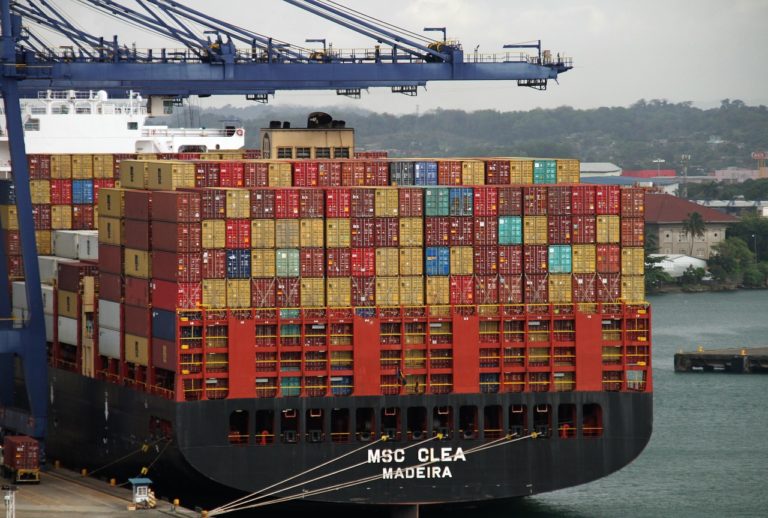
shipping imports

When the Feds Don’t Like the Ambiance: Customs Fraud Can Get Importers in a World of Trouble

On August 26, the U.S. Department of Justice (DOJ) announced plea agreements with Ambiance Apparel (“Ambiance”) and its owner Sang Bum “Ed” Noh. The charges against Ambiance and Noh include a duty evasion scheme, which worked like this: Ambiance imported clothing from Asian countries and submitted fraudulent invoices to U.S. Customs and Border Protection (CBP)

hong kong

Hong Kong: It’s China, Stupid

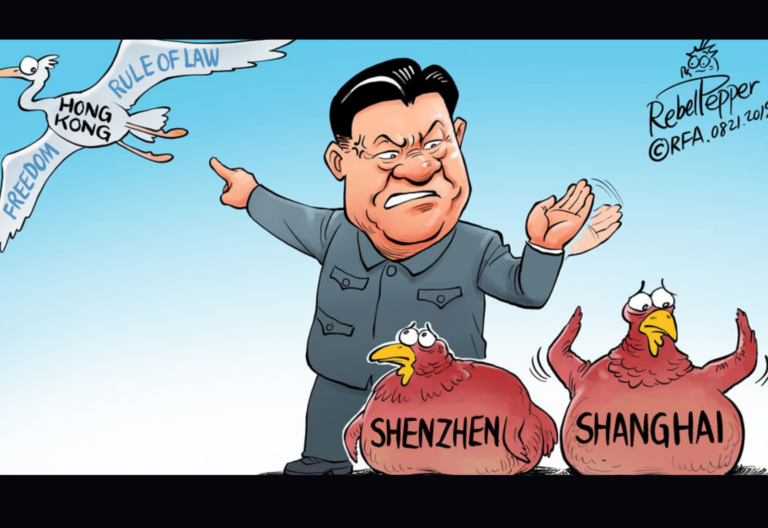
Say what you will about the Chinese Communist Party (CCP) but, when it comes to repressing Hong Kong’s democratic aspirations, it means business. Having concluded local authorities were not up to the task of ruling Hong Kong by its iron-fisted standards, Beijing made short work of the “one country, two systems” framework and imposed a

stack of history books

China Tips from the Late 2000s: Still Valid Today

Back in April 2007, we shared some tips on doing business in China that had appeared in Silk Road International.  As often happens when I delve into our archives, I was amazed at how much of the advice remains current. With that in mind I’m sharing it again, adding some commentary based on what has

raining on city

Requiem for Hong Kong

A few weeks ago, in Hong Kong’s Saddest Day, we echoed legislator Tanya Chan’s sentiment after China’s rubber-stamp National People’s Congress announced it would enact national security legislation for the city.  As sad as that fateful May 21 was, we warned “the days ahead could be much sadder” for Hong Kong. Unfortunately, that prediction has

International IP lawyer

China Trademark Law: Simple and Effective 17 Years Later

China Trademark Registrations Recently, I ran across an article Dan Harris wrote on China’s trademark laws way back in 2007, entitled China Trademark Law: Simple and Effective. As I read the article, it struck me that it could have just as well have been written, almost word for word, in 2024: Members of the media

young people in Hong Kong protesting for their independence

On Secession

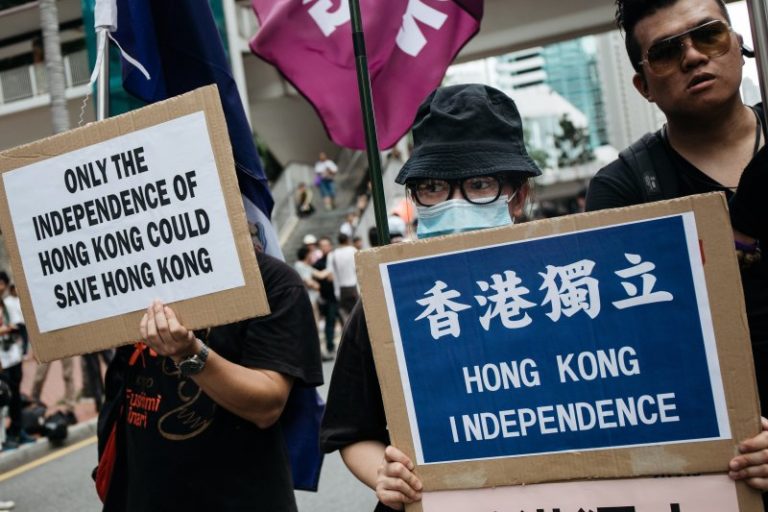
One of the Chinese Communist Party’s (CCP) most persistent bugbears are separatist threats—real or imagined—on the fringes of its empire. The most recent manifestation of this concern has been the CCP’s response to the ongoing unrest in Hong Kong. On May 20, 2020, the National People’s Congress adopted a decision regarding “national security” in Hong

sad person

Hong Kong’s Saddest Day

Whatever the Chinese Communist Party waxworks expected after the Hong Kong handover, the massive July 1, 2003 protest against proposed “national security” legislation was surely a warning about the limits of Hongkongers’ tolerance of authoritarian rule. The proposed legislation was the Hong Kong government’s response to Article 23 of its Basic Law, which requires the

forced labor sanctions

China Products Made With Forced Labor Are Now in U.S. Customs’ Crosshairs

On May 1, U.S. Customs and Border Protection (CBP) announced it had issued a withhold release order (WRO) against hair products manufactured by a Xinjiang company called Hetian Haolin Hair Accessories Co. Ltd. (Haolin). The WRO was issued under the authority of 19 U.S.C. 1307, which prohibits importing merchandise produced by forced labor. To be

Everyone in China wants to live in the United States

Pharma Will be Leaving China to Come Home to the United States

Earlier this week, in Moving Your Manufacturing From China: Look South (Again) to Mexico and Puerto Rico, I highlighted a recent New York Post editorial that decried America’s “serious over-reliance on China for pharmaceutical production”, and called for Puerto Rico to once again become a “central hub of U.S. drug manufacturing”. Then on the same