Anti-dumping (AD) and Countervailing Duty (CVD) Risks

Protect Your U.S. Product Imports by Knowing Your Import Duty Risks

Anti-dumping (AD) and Countervailing Duty (CVD) Risks Anti-dumping (AD) and countervailing duty (CVD) investigations can have a significant impact on businesses that import products into the United States, either directly 0r indirectly. These investigations, initiated by domestic industries, aim to protect against unfairly traded imports. Understanding the factors that trigger such inquiries is crucial for
China antidumping sign

Understanding U.S. Antidumping Cases Involving Imported Chinese Products

United States Antidumping Cases Companies importing products into the United States from China may be unfamiliar with terms such as “non-market economy (NME),” “respondent,” and “surrogate values.” However, this quickly changes when such companies’ imported goods are subject to a U.S. antidumping proceeding. U.S. antidumping or “AD” cases are complex. This is especially true for

China anti-dumping lawyer

New AD/CVD Petitions: Tungsten Shot from China

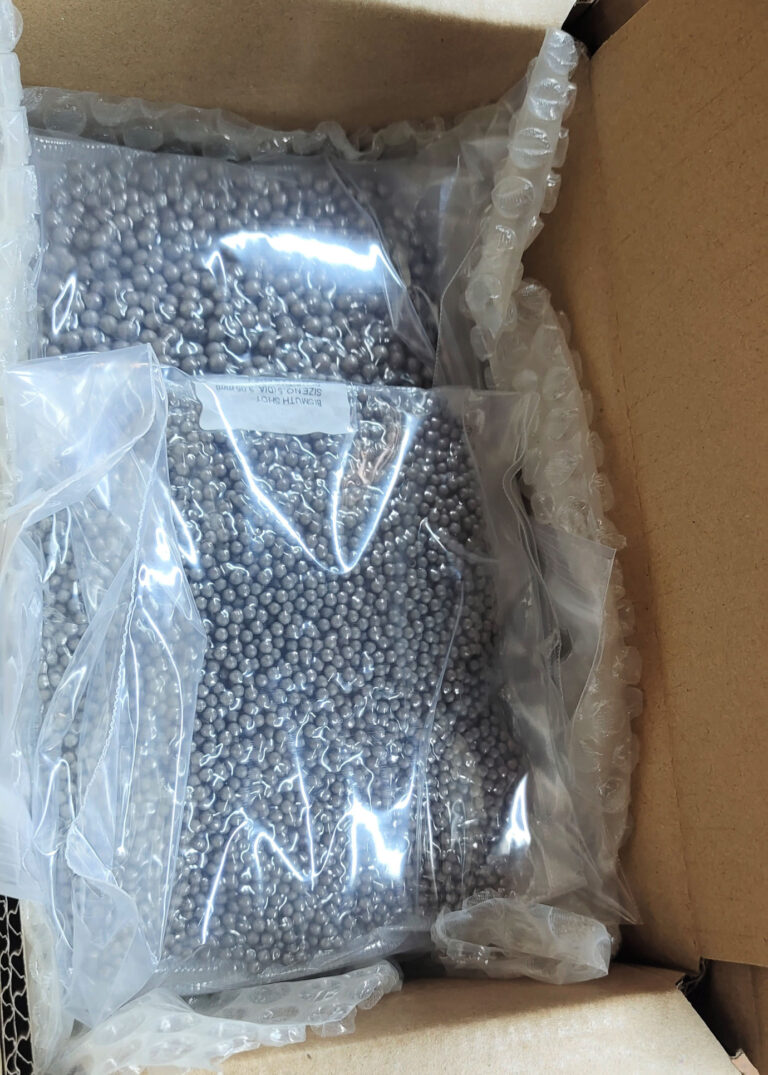
On July 10, 2024, a new antidumping (AD) and countervailing duty (CVD) petition was filed against imports of Tungsten Shot from China.  Tungsten shot is used to produce shotgun shot. The petition was by Tungsten Parts Wyoming, Inc.  Unlike most AD/CVD petition, this petitioner admits that they only began production last year in 2023, and

A person assists an elderly man and woman on a motorized scooter amid a row of similar scooters, set against the backdrop of a large, ornate building.

New AD/CVD Petitions: (1) Brake Drums from China and Türkiye (AD/CVD) and (2) Low Speed Personal Transportation Vehicles from China (AD/CVD)

On June 20, 2024, two new antidumping (AD) and countervailing duty (CVD) petitions were filed against imports of: (1) Certain Brake Drums from China and Türkiye; and (2) Certain Low Speed Personal Transportation Vehicles from China. These AD/CVD investigations will be conducted by two federal agencies: the International Trade Commission (“ITC”) will investigate whether the

How to figure out your U.S. Tariff rates

Decoding U.S. Tariff Classifications: A Comprehensive Guide

Decoding U.S. Tariff Classifications – A Comprehensive Guide For businesses involved in international trade, effectively navigating U.S. custom regulations can lead to significant cost savings, compliance benefits, and a smoother trade process. A key component of this process is understanding tariff classifications. What is a Tariff Classification? Tariff classification assigns a unique code to every

shipping imports

U.S. Import Practice Tips to Mitigate Compliance Risk

The shift away from the unipolar and free trade-oriented world of the 1990s and early 2000s to the peer competition-driven managed trade and industrial policies of today has resulted in an increasingly restrictive and protected U.S. import environment. The significantly stepped-up enforcement activity that characterizes this trend has, in turn, increased compliance risk for U.S. importers. This post will attempt to help U.S. importers mitigate some of that compliance risk through a set of up-to-date import practice tips.

Supply Chain risks

The Importance of Knowing, Understanding, and Being Able to Map your Supply Chain

As we continue to document in our customs and trade blog posts, import compliance and enforcement risk is higher than ever. And as recent experience suggests, this trend is not going to change anytime soon. By taking the preemptive supply chain verification and substantiation measures noted above, U.S. importers can manage and reduce these risk factors – and, in so doing, avoid becoming another CBP enforcement statistic.

Subscribe To Our Blog

Explore the latest legal news and insight regarding China, cannabis, international law, immigration, dispute resolution and Web3.