






أفضل الاستراتيجيات لحل النزاعات التجارية الدولية
When a Silicon Valley electronics manufacturer discovered that its Korean supplier had delivered $2.5 million worth of defective components, it was confronted with a situation all too common in today’s global economy: how do you resolve a commercial dispute when the other party operates under different laws, speaks a different language, and is located thousands of miles away? These challenges are routine in international commerce, where cross-border disputes aren’t just possible—they’re inevitable.
Companies operating internationally must navigate unfamiliar legal systems, differing cultural norms in business dealings, and enforcement mechanisms that vary widely from one jurisdiction to another. Disputes may arise from contract breaches, delivery failures, non-payment, or disagreements over quality and specifications, but international borders raise the stakes and complexities.
To avoid being caught off guard, businesses engaged in global trade must adopt proactive, well-structured dispute resolution strategies. These strategies should be designed early—well before conflicts arise—and must account for legal, operational, and cultural risks across multiple jurisdictions.
The Foundation: Dispute-Resistant Contracts
The most effective strategy for resolving international commercial disputes begins long before any conflict surfaces—with the contract. A well-drafted international agreement isn’t just a roadmap for the business relationship; it’s a blueprint for how disputes will be addressed if things go wrong.
Yet too many companies treat contract drafting as a box-checking exercise, rushing to finalize terms in their eagerness to close the deal. This haste often comes at a steep cost. Our international dispute resolution attorneys often see companies with legitimate grievances find their legal remedies severely constrained by poorly drafted contracts—either by cost, strategic futility, or a lack of enforceable provisions.
A well-crafted international contract should clearly specify the governing law, the jurisdiction or forum where disputes will be resolved, and the language in which proceedings will be conducted. These seemingly technical details take on immense importance when tensions escalate and communication deteriorates. Without clear provisions, parties can find themselves mired in expensive procedural battles before the substance of the dispute is ever addressed. See A Guide to Dispute Resolution Clauses in International Contracts.
Force majeure provisions deserve particular attention in international contracts. The COVID-19 pandemic was a stark reminder that global supply chains are far more exposed to disruption than their domestic counterparts. A supplier in Bangladesh may be prevented from fulfilling orders due to political unrest, while a manufacturer in Germany might be forced to shut down operations in response to shifting environmental regulations.
Without clearly defined force majeure language, these scenarios can quickly escalate into costly disputes over which party should bear the burden for events beyond anyone’s control. The challenge is compounded by the fact that the interpretation and enforcement of force majeure provisions vary significantly from country to country, making careful drafting even more essential in cross-border agreements. See e.g., Do Not Let Force Majeure be a Major Force In Your China Contract.
Payment and delivery terms demand even greater precision in international transactions. When goods cross multiple borders, navigate diverse customs regimes, and involve fluctuating currency values, even minor ambiguities can trigger major disputes. A sound contract should spell out exactly when title transfers, who bears the risk of loss during transit, and how inspection and acceptance will be handled—especially when parties operate in different time zones and under distinct commercial norms. See What are INCOTERMS, and How Important are They in International Contracts?
Strategic Arbitration: A Neutral Path for Dispute Resolution
While domestic disputes often head straight to court, international commercial disputes frequently call for a more strategic approach. Arbitration has become the preferred method for resolving many cross-border conflicts—and with good reason. Unlike litigation, which can tilt in favor of the party operating in its home jurisdiction, arbitration offers a neutral forum. Neither side enjoys a home-court advantage when proceedings are held in a neutral venue before arbitrators selected for their subject-matter expertise rather than local affiliations.
Arbitration’s global enforceability is a key strength. Under the New York Convention, arbitral awards are enforceable in more than 170 countries. That means a successful arbitration against a Mexican company, for example, can be enforced not only in Mexico but in virtually any jurisdiction where that company holds assets. In contrast, enforcing a court judgment across borders often requires initiating separate, full-blown legal proceedings in each foreign jurisdiction.
Confidentiality is another major advantage. When disputes involve trade secrets, proprietary manufacturing methods, or sensitive client data, public court proceedings can be highly damaging. Arbitration proceedings remain private, allowing companies to resolve complex issues without jeopardizing their reputation or exposing valuable commercial information to competitors.
However, arbitration is only as effective as the clause that governs it. Poorly drafted arbitration clauses can create costly delays and procedural uncertainty. A robust clause must clearly define the arbitration institution, the seat (or legal place) of arbitration, the language of proceedings, and the number of arbitrators. Ambiguity in any of these areas often leads to preliminary battles that undermine the very efficiencies arbitration is designed to deliver. For practical guidance on drafting effective clauses, see A Guide to Dispute Resolution Clauses in International Contracts.
Early Resolution: Negotiation and Mediation
Before initiating formal arbitration or litigation, experienced companies often explore whether a dispute can be resolved through direct negotiation or mediation. This early-stage approach is especially valuable when the parties hope to preserve their commercial relationship. In international business, replacing a trusted supplier or customer can take months—or even years—and typically involves extensive due diligence and onboarding costs.
Mediation offers distinct advantages in cross-border disputes. It’s significantly more cost-effective than formal proceedings, preserves confidentiality, and allows for flexible, business-driven outcomes that courts or arbitral tribunals often cannot provide. A skilled mediator can also bridge cultural gaps, helping parties recognize how misunderstandings—not malice—may be fueling the conflict, and guide them toward mutually acceptable, creative solutions that address the real business issues at stake.
The key to successful early resolution lies in timing and preparation. Once positions have hardened or tempers flared, mediation becomes markedly more difficult. By acting early and coming to the table well-prepared, companies dramatically improve the odds of finding a constructive outcome.
Detailed and well-maintained records also play a crucial role in resolving disputes early. Clear documentation can diffuse misunderstandings—especially when dealing with foreign suppliers, where language barriers and differing commercial practices are common. If negotiations fail, these records become critical evidence in any formal proceeding and can make or break efforts to enforce contract rights across jurisdictions.
Navigating the Jurisdictional Maze
In international disputes, the choice of where to resolve the conflict can be just as important as the merits of the case. Not all legal systems are created equal. Some offer efficiency, neutrality, and commercial sophistication. Others are plagued by delays, unpredictability, or systemic bias. In certain jurisdictions, a commercial case may take five years or more to reach resolution, while others offer streamlined procedures capable of delivering final outcomes within months. Enforcement also varies dramatically—some countries routinely recognize and enforce foreign judgments, while others make enforcement a near impossibility.
Years ago, our firm handled a $45 million dispute with three possible jurisdictions for filing. The problem? We feared all three might reject the case outright. Although we ultimately resolved the matter through negotiation—without filing in any of them—that uncertainty severely weakened our client’s position. The absence of a clear, enforceable dispute resolution clause in the contract forced the client to settle for far less than what might have been achievable with proper jurisdictional planning.
Evaluating a jurisdiction requires much more than checking a box on a contract. Key questions include: How long does litigation typically take? Do the courts have expertise in complex commercial matters—or are they ill-equipped to handle international business disputes? Can they issue interim measures such as asset freezes or injunctions to preserve evidence? Are there political, regulatory, or corruption risks that could influence the outcome?
Ideally, these factors are assessed before any conflict arises—during the contract negotiation phase. But when a dispute does surface, conditions on the ground may have shifted. A jurisdiction that seemed stable and business-friendly when the contract was signed may present new and unexpected risks when litigation or arbitration becomes necessary.
The Power of Detailed Documentation
In international commercial disputes, documentation often makes the difference between prevailing and losing. When companies operate across multiple languages, time zones, and business cultures, misunderstandings are common. A seemingly clear verbal agreement during a call may be interpreted very differently by parties from different cultural or legal backgrounds. Email chains can lose crucial meaning in translation, and practices considered standard in one country may appear unusual or even suspicious in another.
Successful international businesses adopt documentation practices that go far beyond routine recordkeeping. They implement systems designed to capture not only the agreements made but also the context and rationale behind key decisions. When the scope of work changes, they do not just note the change. They document the discussions that preceded it. When problems arise, they log the issue, the mitigation steps taken, and how the other party responded at each stage.
This level of documentation discipline may seem burdensome, but it creates real strategic value. Detailed records often defuse disputes before they escalate, especially in cross-border supplier relationships where cultural and linguistic gaps increase the risk of misinterpretation. And when conflicts proceed to litigation or arbitration, these same records become the backbone of a credible legal case. They often determine whether a contract can be successfully enforced in a foreign jurisdiction.
Specialized Dispute Resolution Counsel: Your Guide in International Disputes
International commercial disputes require legal expertise that extends well beyond general business law. Navigating multiple legal systems, coordinating across time zones and languages, and managing jurisdictional risk all demand counsel with deep experience in the legal and strategic complexities of cross-border conflict.
Effective international dispute resolution lawyers must be adept at handling conflicts of law, working with local counsel when necessary, and advising on the enforceability of judgments or arbitral awards across different jurisdictions. They also need a solid grasp of the commercial realities of international trade. This includes familiarity with industry norms, sensitivity to cultural differences that can influence proceedings, and the ability to manage evidence collection and witness coordination across national boundaries.
The choice of counsel becomes especially critical in arbitration. Unlike court litigation, which is governed by formal procedural rules, arbitration is far more flexible. This flexibility rewards strategic thinking and advocacy skills, but it can also expose parties to risk if their lawyers are unfamiliar with international arbitration practice. Experienced counsel can use this openness to shape the process and secure favorable outcomes, while inexperienced practitioners may inadvertently increase both cost and exposure.
Beyond Legal Tools: Commercial Leverage and Strategy
In some cases, the most effective way to resolve an international dispute has little to do with formal legal action. When applied thoughtfully and ethically, commercial pressure can achieve results that legal proceedings alone may not deliver. Strategic moves such as suspending future shipments, withholding payments under letters of credit or escrow arrangements, leveraging relationships with shared business partners, or using reputational pressure can all prompt a more favorable and timely resolution.
The key to using commercial leverage effectively is understanding the other party’s business priorities and vulnerabilities. A supplier that relies heavily on your company for revenue may be more motivated to settle than one for whom your account is marginal. Likewise, a customer who depends on your products to meet their own production commitments may be far more willing to negotiate than one with alternative supply sources already lined up.
At the same time, commercial leverage must be exercised with care. What is considered a standard business tactic in one country may be viewed as coercive or improper in another. The goal is to create strong incentives for resolution, not to trigger new legal claims or escalate the conflict unnecessarily. Understanding both the legal boundaries and the cultural context is essential to using leverage in a way that is both effective and sustainable.
Applying Strategy to Real-World Disputes
Legal frameworks are essential, but successful resolution of international commercial disputes depends just as much on strategic thinking rooted in operational realities. The following are three key areas where companies can apply targeted strategies to protect their interests and reduce risk:
1. International Dispute Resolution Strategies
Every jurisdiction presents its own legal, cultural, and commercial landscape. Effective dispute resolution plans must be customized accordingly. A sound approach blends preventive measures—such as carefully negotiated contracts, clearly defined governing law, and jurisdiction clauses—with responsive tools like arbitration, mediation, and negotiated settlement. No single formula fits every dispute. Instead, each situation requires a tailored mix of legal precision and commercial leverage.
2. Resolving Business Disputes with Foreign Suppliers
Disputes involving overseas manufacturers and vendors are among the most frequent and financially damaging. Whether the issue stems from defective goods, missed delivery deadlines, or nonconforming materials, the best outcomes often result from early action. This includes prompt review of contractual documents, escalation pathways built into the agreement, and culturally informed engagement—often through negotiation or mediation—before litigation becomes necessary.
3. Legal Enforcement of International Contracts
Securing a favorable decision is only the beginning. Enforcing that outcome across borders is frequently more difficult. Companies must evaluate enforcement prospects at the outset, including the applicability of treaties like the New York Convention, local procedural rules, asset discovery challenges, and the likelihood of resistance by the opposing party. This is the stage where well-drafted contracts and experienced international counsel make the most difference, converting legal success into meaningful results.
The most successful companies treat international dispute resolution not as a reactive legal function, but as an integrated component of their global business strategy. This means embedding dispute prevention and resolution capabilities into daily operations, training key personnel in early intervention techniques, and establishing relationships with experienced counsel in priority markets before conflicts emerge.
Equally important is the ability to learn from past disputes. Companies that treat each conflict as a source of insight—rather than merely a disruption—gain valuable perspective for improving future contracts, vendor relationships, and operational protocols. Over time, this learning loop helps international operations become more efficient, resilient, and profitable.
The global marketplace offers immense opportunity for those willing to engage with its complexity. Companies that invest in thoughtful, proactive dispute resolution strategies not only protect their interests but gain a competitive edge. They are better equipped to manage risk, preserve relationships, and pursue international growth with confidence. In cross-border commerce, the line between success and failure often hinges on one critical question: how effectively can your business resolve the disputes that are bound to arise?
If your company is facing a cross-border dispute or looking to minimize international legal risk, our experienced international litigation and arbitration team is here to help.
Frequently Asked Questions on International Commercial Dispute Resolution
1. What should be my immediate response when an international dispute emerges?
ابدأ بمراجعة عقدك لفهم القانون الحاكم وآلية تسوية المنازعات والأحكام القضائية. وفي الوقت نفسه، احتفظ بجميع المراسلات والوثائق ذات الصلة، وأبلغ مستشارك القانوني على الفور. الوقت عامل حاسم في المنازعات الدولية، خاصة عندما تكون الأدلة موزعة عبر الحدود أو عندما يكون من الضروري اتخاذ إجراءات مؤقتة.
2. How do I decide between litigation and arbitration for my international dispute?
غالبًا ما يُفضل التحكيم في النزاعات عبر الحدود لأنه يوفر الحياد والسرية وسهولة التنفيذ من خلال اتفاقية نيويورك. ومع ذلك، قد يكون التقاضي أكثر ملاءمة عندما تكون هناك حاجة إلى سبل انتصاف خاصة بالمحكمة، أو عندما يعمل الطرفان في ولايات قضائية ذات أنظمة قانونية قوية، أو عندما يكون التحكيم باهظ التكلفة.
3. Can I sue a foreign company in my home country’s courts?
It depends on several factors, including the contract’s jurisdiction clause, the foreign company’s contacts with your jurisdiction, and the forum’s rules on personal jurisdiction. Even if you can sue domestically, enforcing the judgment abroad can be difficult without applicable treaties or reciprocal recognition statutes. See e.g., Enforcing U.S. Judgments in China: What You Need to Know.
4. Why is the New York Convention so important for international disputes?
The New York Convention on the Recognition and Enforcement of Foreign Arbitral Awards makes arbitration awards enforceable in over 170 countries. This gives arbitration a near-global enforcement mechanism and makes it significantly more effective than litigation for resolving international commercial disputes.
5. When should I consider mediation in an international dispute?
تكون الوساطة مفيدة بشكل خاص في المراحل المبكرة من عملية النزاع، قبل أن تتراكم التكاليف القانونية وتتصلب المواقف. كما أنها مفيدة عندما يكون الحفاظ على العلاقة التجارية أولوية أو عندما تساهم سوء الفهم الثقافي في النزاع. تتيح الوساطة حلولاً سرية ومبتكرة وفعالة من حيث التكلفة.
6. How long should I expect international arbitration to take?
تستغرق معظم عمليات التحكيم الدولية ما بين 12 و 24 شهراً من بدء الإجراءات حتى صدور الحكم النهائي. ومع ذلك، تختلف المدد الزمنية بناءً على تعقيد النزاع وعدد الأطراف وقواعد مؤسسة التحكيم المختارة. يمكن أن توفر إجراءات التحكيم الطارئة إغاثة مؤقتة في غضون أيام أو أسابيع إذا كان الأمر يتطلب اتخاذ إجراءات عاجلة.
7. What types of commercial disputes work best in arbitration?
التحكيم هو الحل المثالي للنزاعات التجارية المعقدة التي تتعلق بأداء العقود، والتزامات الدفع، والمشاريع المشتركة، وحقوق الملكية الفكرية، وترتيبات التوزيع، ومشاريع البناء. وهو فعال بشكل خاص عندما يكون الطرفان كيانين متطورين يقدران السرية والمرونة الإجرائية وقابلية التنفيذ.
8. What are the main disadvantages of arbitration?
يمكن أن يكون التحكيم مكلفًا، خاصةً بالنسبة للنزاعات ذات القيمة المنخفضة، وعادةً ما يوفر حقوق استئناف محدودة. يمكن أن تؤدي بنود التحكيم السيئة الصياغة إلى تأخيرات إجرائية أو تحديات قضائية. بالإضافة إلى ذلك، يتمتع المحكمون بسلطة محدودة أكثر من المحاكم لإجبار الأطراف الثالثة على الكشف عن المعلومات أو إصدار أوامر مؤقتة ملزمة في بعض الولايات القضائية. على الرغم من قوة التحكيم في العديد من النزاعات التجارية، إلا أنه عادةً ما يكون أقل فعالية من التقاضي في الحصول على إعفاء قضائي فوري لوقف انتهاك حقوق الملكية الفكرية الجاري.
9. How do I actually enforce an arbitration award or court judgment in another country?
يتطلب التنفيذ تقديم طلب اعتراف وتنفيذ في الولاية القضائية التي يمتلك فيها الطرف المقابل أصولاً. عادةً ما تكون قرارات التحكيم قابلة للتنفيذ بموجب اتفاقية نيويورك والقوانين المحلية. على النقيض من ذلك، تعتمد الأحكام القضائية على قوانين الاعتراف المحلية أو المعاهدات أو أنظمة التنفيذ المتبادل، والتي قد تكون أقل قابلية للتنبؤ.
10. Can I include both litigation and arbitration options in my contract?
نعم، ولكن يجب القيام بذلك بحذر. بعض العقود تحدد التحكيم لأنواع معينة من النزاعات والتقاضي لأنواع أخرى، أو تتضمن هيكلًا متدرجًا — الوساطة تليها التحكيم أو التقاضي. الغموض في هذا المجال يمكن أن يتسبب في نزاعات قضائية مكلفة. يمكن أن تؤدي صياغة بند بشكل سيئ إلى تأخير الإجراءات لعدة أشهر وتكلف عشرات الآلاف من الدولارات في رسوم قانونية لمجرد تحديد المكان الذي تنتمي إليه القضية.
11. How do I choose the right arbitration institution?
تشمل العوامل الرئيسية سمعة المؤسسة، وخبرتها في التعامل مع نوع النزاع الخاص بك، والقواعد الإجرائية، والكفاءة الإدارية، وهيكل الرسوم، وحياد وملاءمة مقر التحكيم. عادة ما تستخدم مؤسسات مثل ICC و SIAC و HKIAC و LCIA في القضايا الدولية، ولكن المعرفة الإقليمية يمكن أن تكون ذات صلة أيضًا.
12. What happens if the other party simply refuses to participate in arbitration?
يمكن أن يستمر التحكيم حتى إذا رفض أحد الأطراف المشاركة، ويمكن للمحكمة أن تصدر قرارًا ملزمًا. وعادة ما يكون هذا القرار قابلاً للتنفيذ بموجب اتفاقية نيويورك. ومع ذلك، فإن غياب الطرف المدعى عليه يمكن أن يحد من قدرة المحكمين على تقييم الوقائع بشكل كامل، مما قد يؤثر على النتيجة النهائية. وفي بعض الولايات القضائية، قد يؤدي عدم حضور أحد الأطراف إلى تعقيد عملية تحويل قرار التحكيم إلى حكم قضائي لأغراض التنفيذ.
13. Should I always include a mediation step before arbitration?
يمكن أن تكون الوساطة خطوة مفيدة لتشجيع التسوية المبكرة وإظهار حسن النية. ومع ذلك، يجب أن تكون منظمة بمواعيد نهائية واضحة لمنع التعطيل. تفضل بعض الأطراف ترك الوساطة اختيارية بدلاً من إلزامية. في رأيي، غالباً ما تكون بنود الوساطة الإلزامية ذات نتائج عكسية، لأن الأطراف المهتمة حقاً بالتسوية ستلجأ إلى الوساطة دون الحاجة إلى ذلك.
14. Do different legal systems approach contract breaches differently?
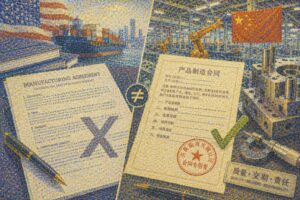
في حين أن الإخلال بالعقد معترف به عمومًا في جميع الولايات القضائية، فإن طريقة تعامل المحاكم معه قد تختلف بشكل كبير. على سبيل المثال، غالبًا ما "تملأ" المحاكم الأمريكية "الفراغات" بشروط معقولة. في المقابل، لا تطبق المحاكم الصينية عمومًا الشروط التي لم يتم تدوينها صراحةً. ومن الضروري فهم هذه الاختلافات عند صياغة الاتفاقيات عبر الحدود.
15. What types of damages can I recover in international disputes?
تسمح معظم الأنظمة القانونية باسترداد الأضرار المباشرة. أما استرداد الأضرار التبعية أو الأضرار العقابية أو أتعاب المحاماة فيختلف باختلاف الولاية القضائية. فالمحاكم الأمريكية تميل إلى منح تعويضات كبيرة عن الأرباح المفقودة، بينما تميل المحاكم في دول مثل فيتنام والمكسيك إلى أن تكون أكثر تحفظًا. ويحدد القانون الساري والمحكمة المختصة سبل الانتصاف المتاحة والقابلة للتنفيذ.
16. Can I recover my attorney’s fees and costs in international disputes?
في التحكيم، غالبًا ما يسترد الطرف الفائز أتعابه وتكاليفه، ولكن هذا يعتمد على قواعد التحكيم ومقر التحكيم وتقدير المحكمة. في التقاضي، يختلف الاسترداد حسب الولاية القضائية. تطبق بعض البلدان قاعدة "الخاسر يدفع"، بينما تطلب بلدان أخرى، مثل الولايات المتحدة، عمومًا من كل طرف تحمل تكاليفه الخاصة، ما لم ينص العقد على خلاف ذلك. قد يكون إدراج بند واضح بشأن تحويل الأتعاب أمرًا حاسمًا.
17. How critical is the language specification in international contracts?
مهم للغاية. تؤثر اللغة على تفسير العقود والتزامات الترجمة وإجراءات الإجراءات القانونية. إذا لم يذكر العقد شيئًا، فقد تلجأ المحاكم المحلية إلى استخدام لغتها الوطنية. قد تؤدي الغموض الناجم عن المصطلحات غير المتسقة أو المترجمة بشكل سيئ إلى إثارة النزاعات وزيادة التكاليف وتعقيد التنفيذ.
18. What’s the risk of having parallel proceedings in multiple countries?
يمكن أن تؤدي الإجراءات المتوازية إلى نتائج متضاربة، واختيار المحكمة الأكثر ملاءمة، ونفقات قانونية كبيرة. وغالبًا ما تنشأ هذه الإجراءات عندما تفتقر العقود إلى بنود واضحة بشأن الاختصاص القضائي أو عندما يتسرع الأطراف في رفع الدعاوى أمام محاكم مختلفة. ومن الضروري صياغة العقود بعناية واتباع استراتيجية دقيقة في التقاضي لتقليل هذا الخطر إلى أدنى حد.
19. How can I protect against fraud in international transactions?
Start by conducting due diligence on all counterparties. Use verified documentation, escrow mechanisms, or letters of credit for payment security. Limit upfront exposure, involve local counsel early, and consider political risk insurance where appropriate. Maintaining trusted relationships on the ground often provides the best early warning system.
20. What special considerations apply when dealing with state-owned entities?
قد تستند الكيانات المملوكة للدولة إلى الحصانة السيادية لتجنب المسؤولية أو التنفيذ. يجب أن تتضمن العقود تنازلات واضحة عن الحصانة وأن تكون مصممة بحيث تتناول الاختصاص القضائي والتنفيذ والمخاطر السياسية. قد يكون من الحكمة أيضًا الحصول على تأمين ضد المخاطر السياسية. غالبًا ما تنطوي النزاعات مع هذه الكيانات على حساسية دبلوماسية وتنظيمية.
21. Do I always need local counsel for international disputes?
In most cases, yes. Local counsel are essential for navigating procedural rules, understanding enforcement mechanisms, and working effectively within local court systems. Even in arbitration, local lawyers often play a critical role in gathering evidence, preparing witnesses, and addressing cultural nuances that could affect the outcome. For example, we are currently representing a Vietnamese company in a U.S. case and have engaged Mississippi-based local counsel despite having a strong in-house litigation team. The need for local expertise becomes even more pronounced when proceedings take place in a foreign jurisdiction, such as Mongolia.
22. How do force majeure clauses affect international disputes?
تبرر بنود القوة القاهرة عدم الأداء أثناء الأحداث الاستثنائية، ولكن يجب صياغتها بوضوح. يجب أن تحدد البند الأحداث المؤهلة، وتحدد التزامات الإخطار، وتوضح عواقب عدم الأداء. أبرزت جائحة كوفيد-19 مدى أهمية وجود صياغة واضحة ومحدثة للبنود المتعلقة بالقوة القاهرة في العقود العالمية.
23. What are the most common mistakes in international dispute resolution?
تشمل الأخطاء المتكررة بنود حل النزاعات الغامضة أو المتضاربة، ونقص الوثائق، والتوقعات غير الواقعية بشأن التنفيذ، وتجاهل الاختلافات الثقافية والقانونية، والسماح للعواطف بتحديد الاستراتيجية. غالبًا ما يكون التعامل مع النزاعات الدولية على أنها مشاكل قانونية بحتة، وليس قضايا تجارية استراتيجية، هو السبب الجذري للفشل.
24. How can I prevent international disputes from occurring?
Use comprehensive, clearly worded contracts tailored to cross-border realities. Vet counterparties thoroughly. Document all communications and key decisions. Build relationships with reliable partners, and develop internal protocols for issue escalation. Good communication—especially across cultures—is a powerful risk prevention tool.
25. What should I look for when selecting counsel for an international dispute?
اختر شركات ذات سجل حافل في النزاعات التجارية الدولية، ومعرفة عميقة بقطاعك، وخبرة في الولايات القضائية ذات الصلة. ابحث عن قدرات متعددة اللغات، وشبكات محامين محليين قوية، ونجاح عملي في التقاضي أو التحكيم عبر الحدود. إن الإلمام بالثقافة، وسرعة الاستجابة، والتفكير الاستراتيجي لا تقل أهمية عن المعرفة القانونية.