











العلامات التجارية المضللة في الصين
To avoid issues, brands registering their trademarks in China should consider whether their marks may in any way be considered deceptive.
To avoid issues, brands registering their trademarks in China should consider whether their marks may in any way be considered deceptive.

Who Should Sign Your China OEM Agreement? Not Some Hong Kong Company if You Can Help It
Back in the day, China strictly adhered to the first-to-file principle when it came to trademarks, meaning that whoever won the race to the registrar got the trademark, without regard to prior use of same. In the intervening years, however, China has moved in a more equitable direction, particularly in instances where the first filer is acting in bad faith.
We have put the kibosh on many China-related deals, and that is what this post is about, especially in this environment with financially distressed companies popping up all around thanks to the trade war and Covid. For ease of explanation and to camouflage the identities of those involved, I have amalgamated a bunch of them into one. This scenario is incredibly typical, including the retirement of the owner precipitating the need for the deal.

Vietnam's amended IP law will take effect on New Year's Day 2023. Similar amendments to China's Trademark Law would be greatly welcomed.
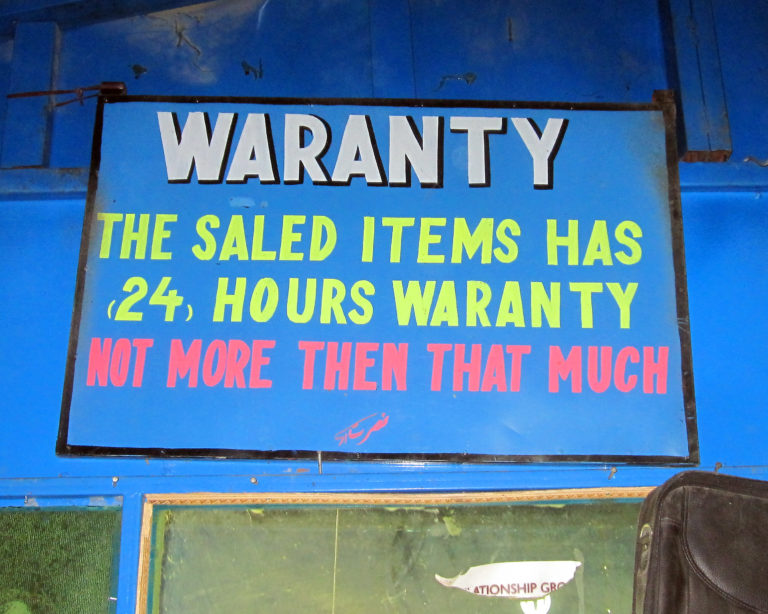
When it comes to China factory warranties, buyers have a lot of options, but few are any good at all.

Follow these three rules to succeed in selling your Made in China products in China.

A basic list of questions companies should be asking when seeking to decide whether to sue in a foreign country and the lawyers to use when doing so.

How to handle a China trademark expungement and reexamination action.
Citing the ongoing genocide, crimes against humanity, and other human rights abuses committed by the People’s Republic of China (China) against ethnic and religious minority groups in the western part of the country, Congress acted to strengthen CBP’s ability to enforce the forced labor prohibitions set forth in Section 307 of the Tariff Act of 1930 by enacting the Uyghur Forced Labor Protection Act (UFLPA) on 23 December 2021. To this end, the UFLPA applies a presumption that goods produced/manufactured (either wholly or in part) or mined in the Xinjiang Uyghur Autonomous Region (XUAR) or by entities designated on the UFLPA Entity List are made with forced labor and prohibited from entering the U.S.