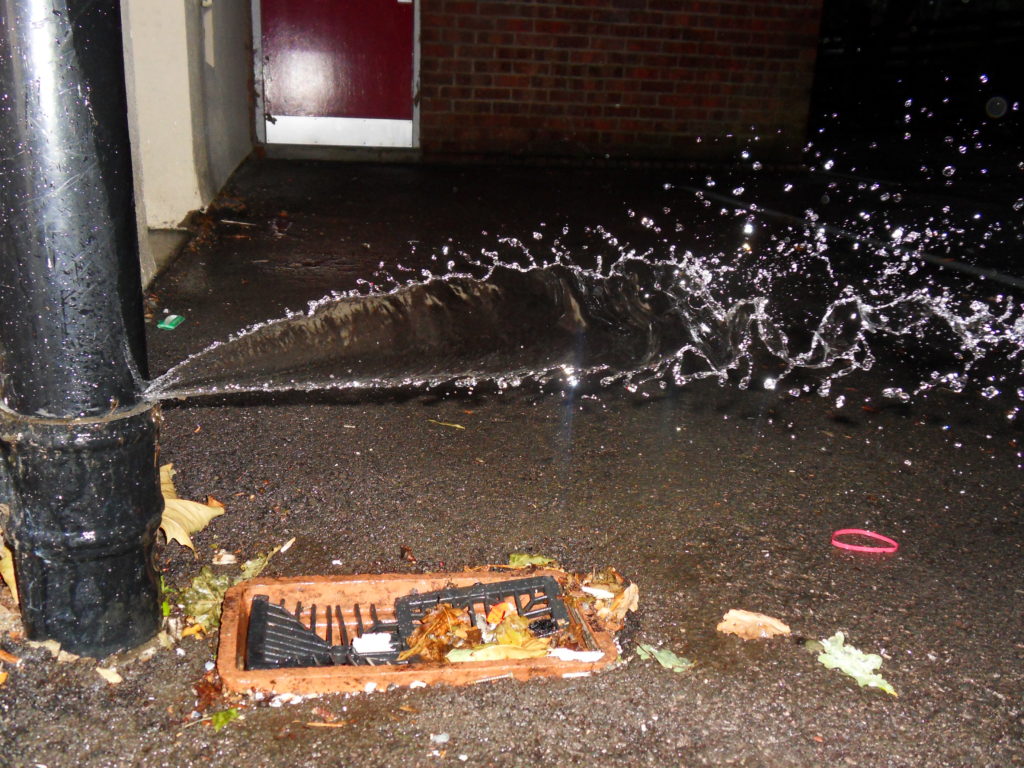
This post focuses on protecting against intellectual property losses arise from what we call leakage -- the situation where a company has a contract preventing its foreign counter-party (usually a foreign manufacturer) from using its proprietary information, but fails to prevent that information from leaking to third parties not bound by such a contract.
When our international manufacturing lawyers draft a manufacturing contract with an overseas factory, one of the main things we engage in is "contract plumbing." This involves us working to make sure the contract is thoroughly sealed so as to prevent leakage of proprietary information to third parties outside the contract.
ما المقصود بـ«التسريب»؟ يشعر معظم المشترين الأجانب بالقلق من أن يستولي مالك المصنع على تصميم منتجاتهم ويقوم بتصنيعها لاستخدامه الخاص. ونظرًا لأن معظم الشركات المصنعة التعاقدية تعتبر منافسة مباشرة للمشتري، فإن هذا القلق له ما يبرره. ولذلك، فإننا نصوغ عقد التصنيع بحيث يمنع هذا النوع من الاستيلاء المباشر على تصميم المنتج.
However, our experience shows that just preventing direct appropriation by the contract manufacturing company is not nearly enough. If you block just your factory owning company from appropriating proprietary information, they will almost inevitably find ways to provide your propriety information to other parties who will make use of the information. Since the factory owner did not commit the deed directly, it will then claim it is off the hook and "not responsible for any misappropriation that may have occurred."
Sometimes the factory owner sincerely seeks to maintain control over the product design because its contract with its foreign buyer is valuable and it makes better economic sense for it to maintain good relations with its foreign buyer than to go to the trouble and expense of marketing the appropriated product in the United States and/or Europe. In this case, however, there are still other parties involved in the manufacturing process that will benefit from stealing the product design from both the product buyer and the factory owner. In this sort of situation, proprietary product information "leaked" away from the factory owner to a third party in a way that benefits the third party, not the factory owner.
No matter the cause of the leakage though, the effect is the same on the product buyer; the product buyer has lost its proprietary information to a foreign company. In our experience, the losses from this sort of third party leakage roughly match the losses from direct appropriation by factory owners. For this reason, we focus on preventing such leakage in any contract manufacturing arrangement, even when our clients insist "my relationship with the factory is so good there is no way this it would ever take our proprietary information."
أكثر أشكال تسرب عناوين IP شيوعًا
قائمة الطرق الشائعة التي يحدث من خلالها تسرب المعلومات السرية/الملكية الفكرية طويلة، وأكثرها شيوعًا ما يلي:
الأطراف ذات الصلة. عندما يسعى مصنع في الخارج عمدًا إلى الاستيلاء على معلومات سرية من طرف أجنبي، فإن تسريب تلك المعلومات إلى شركة طرف ثالث ذات صلة هو الأسلوب الأكثر شيوعًا الذي سيلجأ إليه لتحقيق ذلك.
Many manufacturing companies -- particularly in Asia -- are organized as part of a large group company. Many of these group companies consist of many separate companies ultimately owned by a single shareholder or shareholder group. In the classic scheme, the group company will form a special purpose entity that then enters into the contract manufacturing contract with the product buying company. This special purpose entity then leaks the proprietary information to a different company which, though a separate legal entity, is actually a member of the same group. The product buying company has no contract with the entity that actually manufactures the infringing product. The factory that entered into the contract with the product buying company then asserts that it is free from liability because it is not the offending manufacturer.
الموظفون. عليك أن تفترض أن العديد من موظفي الشركة المصنعة التي تتعامل معها يبحثون عن فكرة جديدة (أي فكرتك) تتيح لهم الانطلاق كأصحاب مصانع بدلاً من أن يظلوا عبيداً للأجور. ويُعد الاستيلاء على المعلومات السرية التي يكشف عنها عميل أجنبي وسيلة ملائمة للحصول على هذه الميزة التنافسية. الموظفون مغامرون للغاية: لن يهربوا بتصميمك فحسب، بل سيهربون أيضًا بقائمة عملائك. في غضون بضعة أشهر فقط، سيتصلون بعملائك بعروض لبيع منتجك بسعر أقل بنسبة 30٪ من سعر الجملة الخاص بك.
Subcontractors. Our clients are often surprised by the number of subcontractors involved in manufacturing their products and in some cases, their "factory" does not actually manufacture the product. All production is actually done in a different factory down the street. In other cases, when their factory has too much work, it subcontracts out its excess production. Complex products nearly always require subcontractors. Take Internet of Things products (IoT) as an example. Such products are usually a mix of a main product with numerous subassemblies and the contract manufacturer will often subcontract out production of subassemblies and related components, acting as little more than a assembler. These subassemblies and components often embody the truly innovative portion of the product. To get production done, the main factory is generally quite free in disseminating the foreign buyer's confidential information through a large group of loosely related factories, none of which have any contractual obligation to protect the confidential information or refrain from using it to directly compete with both the foreign buyer and the contract manufacturer.
Molds and tooling. The key step in contract manufacturing is often designing and production of the molds and tooling used in the manufacturing process. The molds are often the primary repository of the unique design of a product and the tooling often embodies years of manufacturing know-how on the part of the foreign party. Product buying companies often take great care in specifying the ownership of the molds and tooling without realizing that molds and tooling are rarely made by their contract manufacturer. Instead, that factory hires third parties to do the mold design and tooling manufacture. As a part of this process, the factory discloses the product buyer's confidential information related to those designs to a mold or tooling manufacturer that can (and often does) freely sell the design to a third party or use it for its own purposes. Consider the case of a foreign product buyer that has not obtained a design patent on its basic product look and feel: its molds are likely the most important element of its product value. If its mold design leaks away, the value of its product design can be destroyed.
Third party programmers and designers. Few small or start up companies have their own product designers, graphic artists or software programmers and so most contract these tasks to third party shops. Product buyers frequently leave these tasks to their factory, which takes us back to the standard situation: to get the work done, the factory must disclose the product buyer's proprietary information. Often, no one in the process pays much attention to who really has the rights to the work product of these third parties. Consider an example: say the GUI for the interface for your smartphone app that controls your IoT product becomes popular and is identified with your company and you want to use that GUI design as part of your branding. Do you own the copyright? Does your China factory own the copyright? Does the third party designer own the copyright? Does anyone know? Did anyone clarify this from the start? Do you know what the law of the manufacturing country says about this? What about your own country's laws? Third party "shops" have become a significant source of IP leakage.
كيفية إيقاف التسرب
الخطوة الأولى لمنع تسرب معلوماتك هي تضمين بنود تعاقدية مكتوبة تهدف إلى منع ذلك. إذا كان عقدك مع الشركة المصنعة لا يغطي هذه المسألة، فلن يكون لديك أمل يذكر. لهذا السبب يلزم وجود عقد، ولهذا السبب لا يكفي أبدًا أمر الشراء البسيط. ولكن ما هي أحكام العقد المناسبة؟ المفتاح هو التعامل مع الأطراف ذات الصلة (انظر أعلاه للاطلاع على قائمة الأطراف ذات الصلة الأكثر خطورة) من خلال النص على حظر جميع عمليات الكشف للأطراف ذات الصلة، وأن مصنعك سيكون مسؤولاً عن أي استخدام غير سليم للمعلومات من قبل طرف ذي صلة.
أما عند التعامل مع أطراف ثالثة بخلاف الأطراف ذات الصلة، فإن الوضع يكون أكثر تعقيدًا. فالحظر المطلق لن يجدي نفعًا. حيث يتعين على الشركة المصنعة الكشف عن معلوماتك الأساسية لموظفيها. وفي عالم التصنيع المعاصر، نادرًا ما تكون المصانع مكتفية ذاتيًا تمامًا، لذا فإن تبادل المعلومات مع شركات أخرى يعد أمرًا ضروريًا في الغالب كجزء من عملية التصنيع.
There are two ways to deal with the situation. The approach we previously took was to require the factory to identify each individual entity that would receive our client's confidential information and our client would then enter into a separate NNN Agreement with each of these individuals or entities. Under this approach, the factory would be liable only for damages caused to our client that arose from disclosures to persons or entities the factory never identified. But as manufacturing practices evolved, and especially as factories began manufacturing increasingly complex products (such as Internet of Things devices) that require a whole slew of different companies, this careful system (that worked great for socks and rubber duckies) has become less and less workable. The factory will seldom identify every involved party and those that have been identified are becoming increasingly unwilling to execute their own NNN agreements, and the fact that the factory ends up "off the hook" means the factory becomes careless with information.
So our most common approach today is to allow the factory to disclose information as necessary, but to make it liable for all damages caused to our client from misuse of the confidential information. If a key employee steals the information, the factory is liable. If a subcontractor steals the information, the factory is liable. If a mold manufacturer steals the information, the factory is liable. This approach allows the factory the flexibility to get its job done but also giving it a strong incentive to impose its own mechanisms to maintain the confidentiality of the information provided to it by our product buyer client. Factories often complain about our seeking to load the liability on them. Our response to this is that "if you cannot trust the persons to whom you disclose our client's information, you should not make the disclosure." Our record in getting these sorts of agreements signed is shockingly good.
عندما تقوم بالتصنيع في الخارج، يجب أن يكون هدفك هو منع تسرب الملكية الفكرية والمعلومات الهامة الخاصة بك. هذه المهمة ليست سهلة، لكنها قابلة للتنفيذ.